Introduction
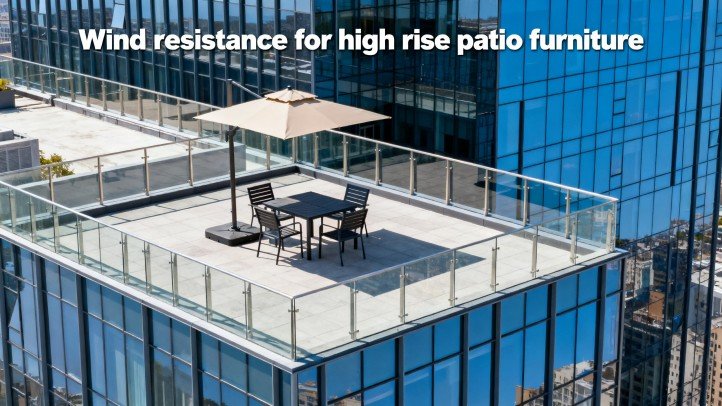
You may see that high rise patio furniture can be in danger from strong winds. When you go higher up, the wind gets stronger. This can knock over chairs and tables. Sometimes, the wind can even blow them away. This can be unsafe for you and people living nearby. Picking heavy materials like wrought iron or thick hardwoods helps keep your furniture steady. Short and smooth designs stand up to the wind better than tall, light ones. Secure fittings and checking often help keep things where they should be. This makes your outdoor area safe and fun.
Key Takeaways
- Pick heavy materials like wrought iron or stainless steel for your patio furniture. These choices help stop wind from moving your furniture. They also make your furniture more stable.
- Choose low-profile designs that are close to the ground. This shape helps block wind and keeps your furniture steady.
- Use weighted bases and tie-downs to hold your furniture in place. These methods stop your furniture from moving in strong winds. They also make your patio safer.
- Add windbreaks like screens or balustrades to protect your patio from wind. Putting these barriers in the right spot can make your patio safer and more comfortable.
- Check your furniture often and keep it in good shape. Look for loose parts, rust, or damage to make sure everything is safe and works well.
Wind-resistant high-rise patio furniture
Heavy materials
When picking high rise patio furniture, think about weight first. Heavy furniture does not move much when it is windy. You want your outdoor area to feel safe, even on breezy days. The material you choose matters a lot. Some materials are heavier than others. This helps stop your chairs and tables from tipping over or sliding.
Here is a table that shows how different materials compare for weight and wind resistance:
| Material | Weight Characteristics | Wind Resistance Characteristics |
|---|---|---|
| Stainless Steel | Heavy, strong, and durable. Does not tip over easily in the wind. | Excellent wind resistance due to weight. |
| Synthetic Resin and Plastic | Generally lightweight, with some types being very light (e.g., polypropylene). | Less wind-resistant due to lighter weight. |
| Wrought Iron/Cast Iron | Very heavy, making it difficult to move and resistant to being blown away. | High wind resistance due to substantial weight. |
| Wood | Varies in weight; some types can be heavy, but generally less so than metals. | Moderate wind resistance; can tip over if not heavy. |
You can see that stainless steel and wrought iron are best for wind resistance. These materials are heavy and do not move easily. Synthetic resin and plastic are much lighter. These can blow away or fall over in strong winds. Wood is in the middle. Some wood, like teak, is dense and steady, but other types are lighter and less safe.
Tip: Pick furniture made from teak, stainless steel, or wrought iron for your high rise patio furniture. These materials help keep your furniture safe when it is windy.
You should also think about concrete furniture. Concrete is very heavy and does not move easily. This makes it good for windy balconies or terraces. But concrete is hard to move if you want to change your setup. Cast aluminum is another choice. It is heavier than plastic but lighter than iron. It gives a good mix of weight and easy movement.
- Teak is dense and stays steady in strong winds.
- Concrete is heavy and does not move, even when it is windy.
- Cast aluminum is less likely to fall over than lighter materials.
- Aluminum is light, so it may not be good for very windy places.
When you pick high rise patio furniture, always check the weight. Heavy materials help stop accidents and keep your outdoor space safe.
Low-profile designs
The shape and height of your furniture matter too. Low-profile designs are better for windy places. These pieces sit close to the ground and have less area for the wind to push. Tall, thin chairs or tables can fall over more easily. Short, wide furniture stays in place.
Low-profile furniture often has smooth shapes. This lets the wind flow around it instead of catching on sharp corners or tall backs. Look for chairs with short backs and tables with wide, strong legs. Try not to pick furniture with big, flat surfaces that catch the wind.
- Low-profile chairs and tables are less likely to move in the wind.
- Smooth shapes help the wind go by without lifting or tipping the furniture.
- Wide bases make your high rise patio furniture more stable.
Note: When you shop for high rise patio furniture, check the height and shape. Choose pieces that sit low and have rounded edges. This easy step can make your outdoor area much safer.
You can also use things like weighted bases or straps to make furniture more stable. These work best with heavy, low-profile furniture. By picking the right materials and designs, you make a patio that can handle the wind and keep you safe.
Securing furniture
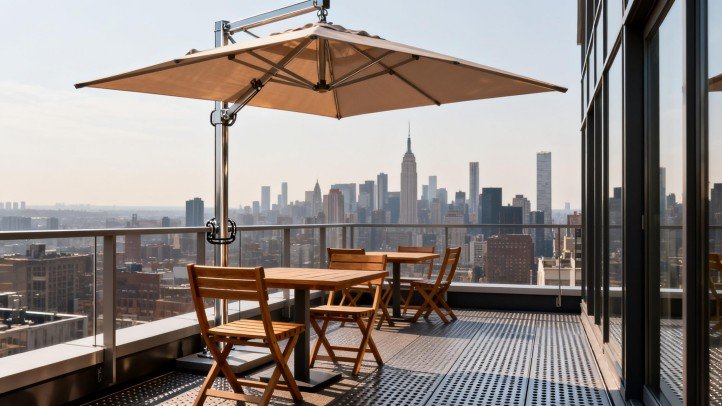
It is important to keep your high rise patio furniture safe. This helps you feel calm and keeps everyone safe. Strong winds can move or tip over even heavy furniture. There are a few ways to stop your furniture from moving.
Weighted bases
Weighted bases help your outdoor furniture stay in place. You can use them for tables, chairs, and umbrellas. A heavy base stops wind from moving your furniture. Pick bases that fit the size and weight of your items.
Here is a table with the best weights for different outdoor items:
| Item Type | Recommended Weight (kg) | Recommended Weight (lbs) |
|---|---|---|
| Patio Umbrella Bases | 15 to 25 | 33 to 55 |
| Outdoor Furniture | 4 (small items) / 15 to 25 (larger setups) | 8.8 (small items) / 33 to 55 (larger setups) |
| Cantilever Umbrellas | 25 (per weight bag) | 55 |
| Pool or Spa Covers | 4 (Mini Sandbags) / 15 | 8.8 (Mini Sandbags) / 33 |
You can use sandbags or special weight bags to make things heavier. Put them on the base or legs of your furniture. This easy step helps stop accidents and keeps your outdoor area safe.
Tip: Always check that the weights are still in place after strong winds.
Tie-down methods
Tie-downs give extra safety for your high rise patio furniture. You can use straps, bungee cords, or a strong rope. Attach these to strong parts of your balcony or terrace, like railings or posts. Make sure the ties are tight, but do not harm your furniture.
- Use weatherproof straps so they last longer.
- Tie each piece of furniture by itself for best safety.
- Check all tie-downs often, especially after storms or windy days.
It is important to check your straps often. Straps can get loose or break over time. Replace any broken ties right away. Using both weighted bases and tie-downs helps keep your outdoor space safe and fun.
Windbreaks and screens
Windbreaks and screens help you control the wind on your high-rise patio. These barriers can make your outdoor space more comfortable and safe. You can choose from many types, each with its own benefits.
Types of windbreaks
You have several options when you want to block or slow down the wind. Some windbreaks work better for certain spaces. Here is a table to help you compare the most common types:
| Windbreak Type | Effectiveness Description |
|---|---|
| Balustrades | Good for direct wind on balconies and large terraces. |
| Balcony Edge Screens | Useful for strong winds that rise up from below the building. |
| Balcony End Screens | Stops wind that speeds up around building corners. Adds a stylish look. |
| Inset Balconies | Makes a sheltered spot you can use all year. |
| Balcony Midway Screens | Placed between flats to cut down on wind from the side. |
| Baffle Screens | Works well where the wind rushes between tall buildings. Can help at entrances. |
| Winter Gardens | Combines a balcony with a garden room. Gives extra protection, especially on north-facing balconies. |
You can pick a windbreak that fits your patio’s needs. Balustrades and edge screens suit most balconies. End screens help if you get strong gusts at the corners. Inset balconies and winter gardens give you shelter and comfort in all seasons.
Tip: Choose a windbreak that matches your building’s style and your own needs. Some screens also add privacy and beauty.
Placement tips
Where you put your windbreak matters as much as the type you choose. Place screens where the wind hits your patio the hardest. You can use a few simple steps:
- Put edge screens along the sides that face the wind.
- Add end screens at corners to stop swirling gusts.
- Use midway screens between flats to block side winds.
- Try baffles screens if you live between tall buildings.
You can also combine different windbreaks for better results. For example, use a balustrade with an edge screen for extra protection. Always check that your screens are secure and do not block emergency exits.
A well-placed windbreak makes your patio safer and more enjoyable, even on windy days.
Managing accessories
Securing cushions
Cushions make your patio furniture comfortable, but they can become a problem on windy days. If you do not secure them, the wind can lift them and send them flying. You can use several simple methods to keep your cushions safe.
- Choose cushions with ties or Velcro straps. You can fasten these to your chairs or benches. This stops the wind from picking them up.
- Use cushion clips. These small clips hold the cushion to the frame. You can attach and remove them easily.
- Store loose cushions indoors when you expect strong winds. This keeps them clean and dry as well.
Tip: Check your cushion ties and clips often. Replace any that look worn or broken. This helps you avoid losing cushions during a sudden gust.
You can also buy weather-resistant cushion boxes. These boxes protect your cushions from rain and wind. You can place them near your patio for quick access.
Storage solutions
Proper storage keeps your patio accessories safe from wind damage. You want to stop items from turning into projectiles during storms. You can use several storage options to protect your belongings.
- Store small items like lanterns, plant pots, and decorations in a sturdy outdoor storage box.
- Use weatherproof storage benches. These benches give you a place to sit and a safe spot for your accessories.
- Bring lightweight items indoors when you see a storm warning.
- Stack chairs and tables together in a sheltered corner. This makes them harder for the wind to move.
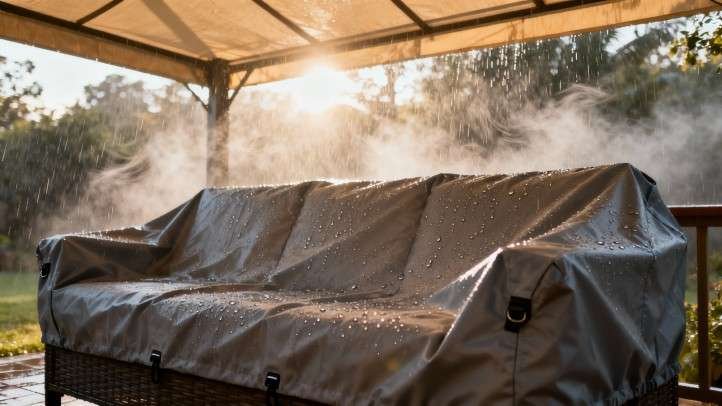
- Secure covers over larger furniture pieces. Use straps or cords to keep covers in place.
Note: Always check that your storage solutions stay secure after windy weather. This simple habit helps you keep your patio tidy and safe.
A good storage plan protects your accessories and gives you peace of mind. You can enjoy your high rise patio without worrying about sudden winds.
Storage during storms
When a storm is coming, you must protect your patio furniture. Strong winds can move even very heavy things. You can lower the chance of damage by storing your furniture the right way.
Foldable options
Foldable furniture is a smart choice for stormy days. You can fold chairs and tables quickly and put them somewhere safe. This kind of furniture does not take up much space. You can keep it in a cupboard or storage box. Many foldable pieces use strong materials, so they are still comfy and sturdy.
- Fold your chairs and tables flat to save space.
- Stack foldable things in a corner or next to a wall.
- Pick foldable furniture with locks to make it safer.
Tip: Foldable furniture is great for small balconies. You can use it when you want and put it away before a storm.
Indoor storage
Bringing your patio furniture inside is the best way to keep it safe in bad weather. This keeps your things safe from wind, rain, and flying objects. Indoor storage also helps your furniture last longer.
- Storing patio furniture inside keeps it safe from strong winds.
- Indoor storage stops rust, mildew, and damage from wet or hot weather.
- Move your furniture to a shed or garage when the weather is very bad.
You can use a garage, shed, or even a spare room for storage. If you do not have much space, stack chairs and tables or hang light things on wall hooks. Always dry your furniture before you store it to stop mould and mildew.
Note: Indoor storage keeps your patio furniture looking nice and ready to use after the storm.
By using foldable furniture and storing things inside, you keep your high rise patio furniture safe and in good shape, even when the wind is very strong.
Maintenance tips
Regular checks
You keep your high rise patio furniture safe by checking it often. Wind, rain, and sun can wear down even the strongest materials. You should look at your furniture every few weeks, especially after storms or windy days.
- Inspect all bolts, screws, and joints. Tighten any that feel loose.
- Look for rust on metal parts. Clean it off with a wire brush and apply a rust-resistant spray.
- Check wooden furniture for cracks or splinters. Sand rough spots and treat the wood with oil or sealant.
- Examine cushions and covers. Make sure ties, clips, or Velcro still hold well.
Tip: Keep a small toolkit handy. You can fix small problems right away and stop them from getting worse.
A regular check helps you spot problems early. You save money and keep your outdoor space safe for everyone.
Replacing parts
Sometimes, you need to replace parts to keep your furniture strong and wind-resistant. Do not wait until something breaks. If you see damage, act quickly.
- Replace rusty bolts or screws with stainless steel ones. These last longer in outdoor weather.
- Swap out worn cushion ties or clips. New fasteners keep your cushions secure.
- Buy new rubber feet or pads for chair and table legs. These stop your furniture from sliding on smooth balcony floors.
- Change broken slats or panels on wooden furniture. Use treated wood for better weather resistance.
| Part to Replace | Why Replace? | Best Replacement Option |
|---|---|---|
| Bolts and Screws | Rust or looseness | Stainless steel |
| Cushion Ties/Clips | Wear or breakage | Weatherproof replacements |
| Rubber Feet/Pads | Loss or damage | Non-slip, outdoor-grade rubber |
| Wooden Slats/Panels | Cracks or rot | Treated hardwood |
Note: Keep spare parts in your storage box. You can fix things quickly and avoid bigger repairs later.
By checking and replacing parts, you make sure your high rise patio furniture stays safe and ready for any weather.
You can keep your high rise patio furniture safe if you make good choices and look after it often. Pick strong materials for your furniture. Make sure your furniture is secure. Check your furniture regularly.
- Do not ignore how much the weather can change things.
- Use materials made for outdoors so they do not fade or rust.
- Put your furniture away or cover it when storms come.
“Looking after your furniture is the most important thing for making it last,” says our maintenance expert.
If you follow these steps, you will keep your furniture safe and enjoy your outdoor area without worry.
FAQ
What materials work best for wind-resistant patio furniture?
You get the best wind resistance from heavy materials. Teak, wrought iron, and stainless steel stay steady in strong winds. Concrete also works well. Avoid lightweight plastic or aluminium if you want your furniture to stay put.
How can you stop cushions from blowing away?
You can use cushions with ties or Velcro straps. Clips also help. Store loose cushions indoors when you expect strong winds. This keeps your cushions safe and clean.
Do you need to secure furniture even if it feels heavy?
Yes, you should secure all furniture. Strong winds can move even heavy pieces. Use weighted bases or tie-down straps for extra safety. Check your securing methods often.
Can windbreaks make your patio safer?
Windbreaks help block strong gusts. You can use screens, balustrades, or plants as barriers. Place them where the wind hits hardest. This makes your patio more comfortable and keeps furniture in place.