Introduction:
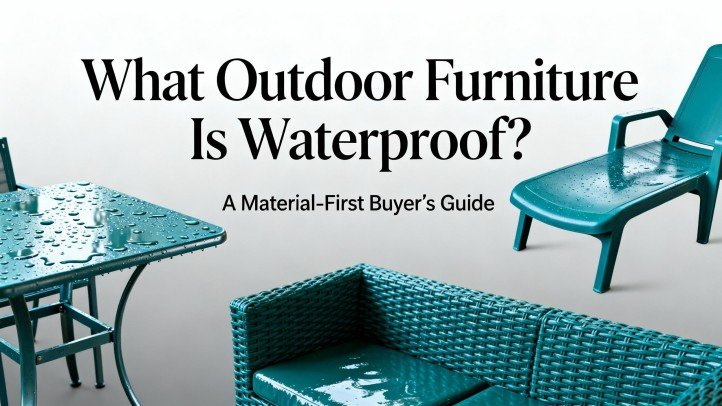
Choosing patio pieces that can live outside 24/7 without getting ruined comes down to materials, not just style. In this guide, you’ll learn what outdoor furniture is waterproof, which options are merely water-resistant, and how to combine frames, slings, and cushions for real-world weather. Who this is for: homeowners, designers, hospitality buyers who want low-maintenance, high-durability setups across coastal, high-UV, and four-season climates.
Waterproof vs. Water-Resistant vs. Weatherproof
- Waterproof: a surface or component won’t allow liquid water to pass through under normal use (e.g., HDPE lumber, marine-grade polymer, marine vinyl upholstery).
- Water-resistant: slows water penetration but can “wet out” with time or pressure (e.g., most solution-dyed acrylic cushion fabrics).
- Weatherproof: resists a combination of outdoor stressors-sun/UV, rain, temperature swings, and salt air. This usually requires multiple smart choices (frame + coating + hardware + breathable cushions), not one magic material.
Buyer tip: If a product page says “all-weather,” read the fine print: frame material, coating standard (if metal), fabric type, foam type, and fastener grade. Image ALT suggestion: “waterproof vs water-resistant vs weatherproof diagram.”
Frames & Surfaces That Are Truly “Waterproof”
HDPE
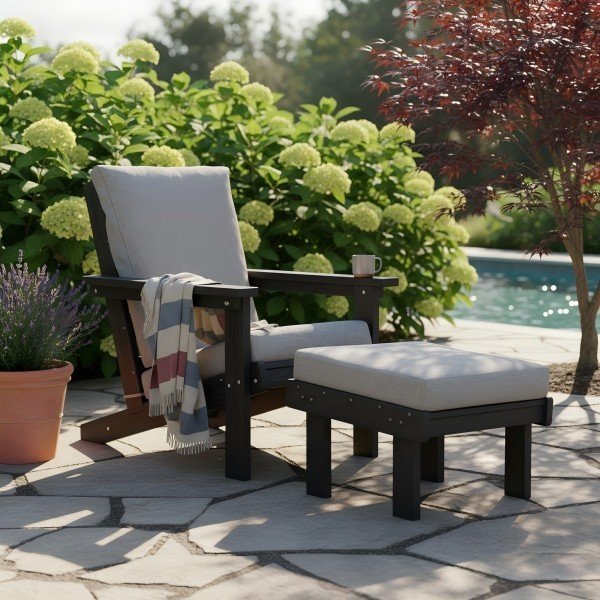
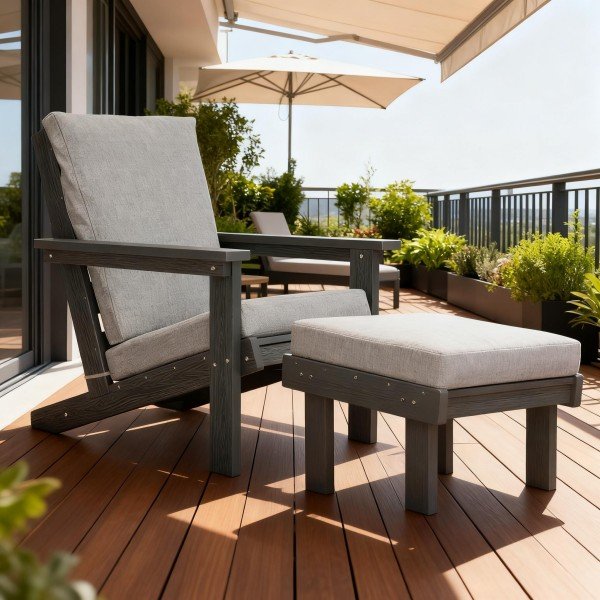
Why it works: High-density polyethylene (HDPE) is a closed-cell, non-porous plastic-it does not absorb water and won’t rot or splinter. Premium producers co-blend pigments and UV inhibitors into the material for colorfastness and fade resistance. See POLYWOOD’s materials overview for how their HDPE lumber is engineered for “heavy-duty, weather-resistant, easy-to-clean” use with integrated UV inhibitors (POLYWOOD – Our Materials). For an industry peer, see Tangent Materials on durable plastic lumber for marine and park applications (Tangent Materials).
-
- Best for: Heavy rain, freeze-thaw, and coastal decks (pair with 316 stainless hardware, details below).
- Maintenance: Soap + water; no sealing or painting.
- Video supplement:
Marine-Grade Polymer (MGP), e.g., King StarBoard®
Why it works: Designed for boats, MGP doesn’t rust, rot, or delaminate; it’s dimensionally stable under UV, humidity, and water. It machines like wood but behaves like a waterproof composite-ideal for poolside and coastal hospitality. See King StarBoard®: “will not rust, delaminate or rot when exposed to UV, humidity or water” (King Plastic – King StarBoard®). Best for: Sea-spray environments and commercial use where refinishing downtime isn’t acceptable. Maintenance: Rinse + mild detergent.
Powder-Coated Aluminum
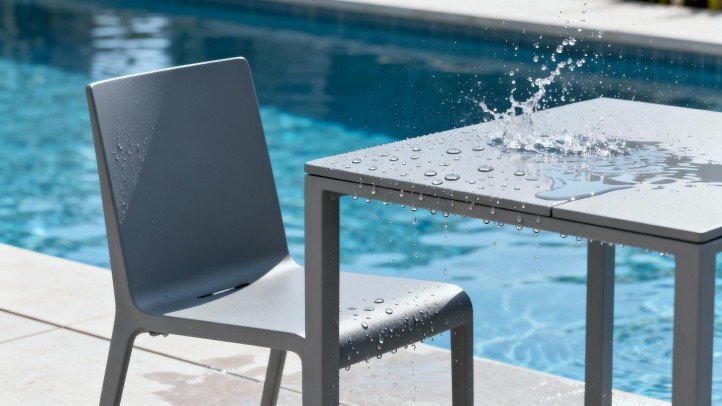
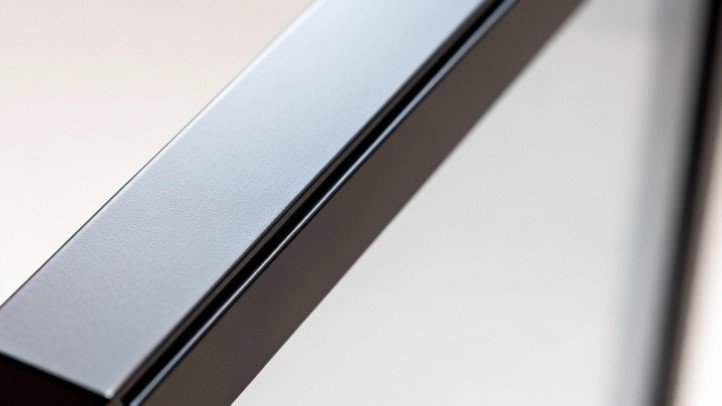
Why it works: Aluminum naturally resists corrosion, and a quality powder coat creates a sealed, durable finish. Ask for coatings that meet AAMA/FGIA standards-AAMA 2604 (high performance) or AAMA 2605 (superior performance). FGIA publishes the official documents (FGIA – AAMA 2604, FGIA – AAMA 2605); industry explainers compare typical performance expectations (e.g., color/gloss retention over multi-year outdoor exposure) (Professional Powder Coating – 2604 vs 2605, Gordon Inc. – AAMA 2604 finishes). Best for: Modern aesthetics, low weight, broad color ranges. In coastal zones, still pair with 316 stainless fasteners. Maintenance: Gentle wash; avoid abrasives.
choose 316 stainless near the sea
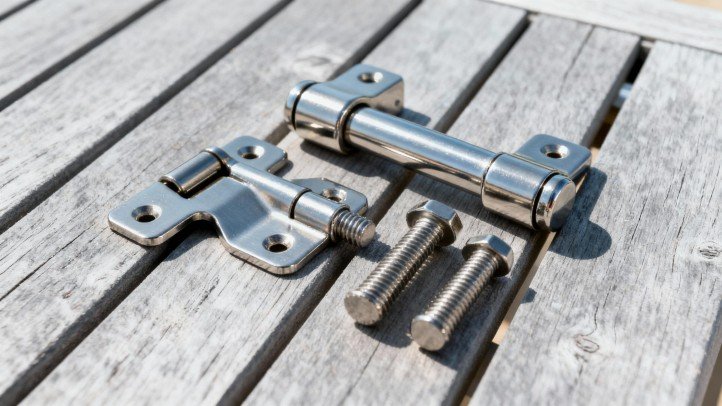
Even with a waterproof frame, hidden screws and brackets often fail first. The Nickel Institute’s stainless guidelines note Type 316 (with 2-3% molybdenum) has superior resistance to chloride-induced pitting vs Type 304-why 316 is preferred in coastal environments (Nickel Institute – Design Guidelines (PDF)).
“Nearly Waterproof” Naturals
Teak
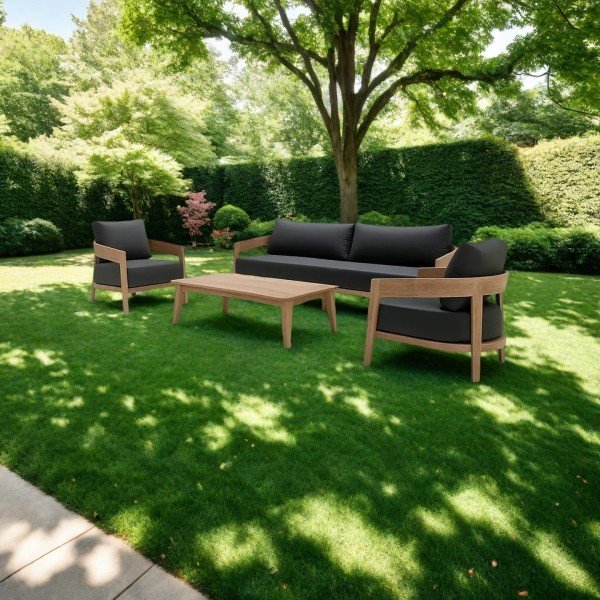
What’s true: Teak’s natural oils/silica make it highly durable outdoors, but also durable ≠ and waterproof. In rain, teak gets surface-wet then dries; UV gradually silvers the color. For the engineering background on wood weathering and protective finishes, see the USDA Forest Products Laboratory Wood Handbook (USDA FPL – Wood Handbook; legacy PDF index: FPL-GTR-113).
Who should buy teak: You love a natural material that ages to a silver patina and don’t mind seasonal care.
Maintenance: Clean periodically; optional sealer/”teak protector” to slow graying.

Wicker: Natural vs. Resin
- Natural rattan/wicker: beautiful, but prolonged wetting + UV degrade organic fibers; best under cover.
- Resin (synthetic) wicker: typically PE/HDPE fibers hand-woven over aluminum frames; strands are effectively waterproof and UV-stabilized when quality resin is used. See comparisons explaining why synthetic/resin wicker is the practical outdoor choice (Patio Productions – Natural vs. Synthetic Resin Wicker; general materials overview: Outdoor Furniture Global – Materials Comparison).
What Actually Keeps Water Out?
water-resistant + breathable
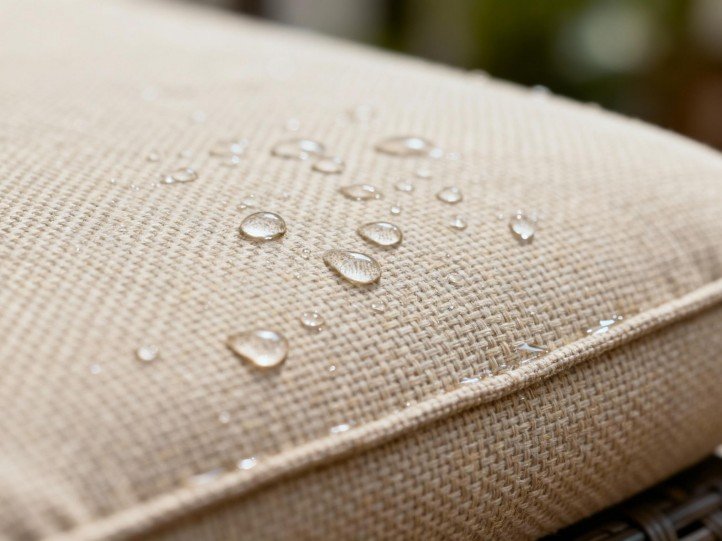
Sunbrella‘s solution-dyed acrylic fibers embed pigments throughout, providing UV/fade resistance and easy cleaning. The brand states its outdoor fabrics are stain- and water-resistant and resistant to mold/mildew (Sunbrella – Fabric Difference, Sunbrella – Outdoor Fabrics). For shade products, Sunbrella highlights breathable fabrics that allow water vapor to pass through, key to comfort and faster drying (Sunbrella – Outdoor Living; umbrella solids note “breathable” fabrics that don’t trap heat: Sunbrella Umbrellas – Solids).
Bottom line: Most woven acrylics are water-resistant, not fully waterproof. For storms, store or cover cushions. (Sunbrella’s own FAQ says performance ranges “from water-resistant to waterproof,” depending on construction and application: Sunbrella Help Center – Water Performance.)
Quick-Dry / Reticulated Foam Inserts
Reticulated foam has an open 3D mesh structure that lets water drain and ventilate rapidly, helping cushions dry far faster than conventional foams (QuickDryFoam.com – Reticulated Foam; primer: Eastar Group – Reticulated Foam Guide). It’s not “waterproof,” but it turns a wet cushion into a fast-drying system.
Marine-Grade Vinyl (PVC)
If you need seating surfaces that don’t absorb water at all, boats, splash-zones, commercial pool lounges-marine vinyl is your friend. Leading suppliers detail UV, mildew, cold-crack, and Weather-Ometer testing for these coated waterproof textiles (Morbern – Marine & Recreational Vinyl, Morbern – Splash™, Morbern – Allante™ Spec).
Quick Decision Guide
- Coastal / salt air: HDPE or MGP frames + 316 stainless hardware + solution-dyed acrylic cushions on reticulated foam. Add breathable covers for storms. References: POLYWOOD – Materials, King StarBoard®, Nickel Institute on 316
- Cold & snowy: HDPE or well-coated aluminum; for long-term color/gloss retention, specify AAMA 2605 when budget allows. References: FGIA – AAMA 2605
- High UV / desert: HDPE/MGP + 2605 powder coat + solution-dyed acrylic to minimize fade and heat buildup. References: FGIA – AAMA 2605, Sunbrella – Fabric Difference
- Luxury natural look: Teak frames + solution-dyed acrylic cushions; expect patina and plan seasonal care. References: USDA FPL – Wood Handbook
Expert insight (hardware & coatings): In coastal zones, step up fasteners from 304 to 316 stainless to mitigate chloride pitting (Nickel Institute). For metal frames in intense UV, favor finishes tested to AAMA 2605; industry explainers outline typical extended color/gloss retention vs. 2604 (PPC – 2604 vs 2605).
[Read more: Best Materials for Coastal Outdoor Furniture]
[Read more: All-Weather Cushion Guide]
Waterproof Outdoor Furniture Materials
| Material | Waterproof? | UV/Color Hold | Salt-Air Ready | Maintenance | Best Use |
|---|---|---|---|---|---|
| HDPE (POLYWOOD®) | Yes (non-porous) | Excellent (UV inhibitors embedded) | Very good (pair with 316 hardware) | Soap & water | Year-round decks, rentals, coastal |
| MGP (King StarBoard®) | Yes | Excellent | Excellent | Minimal | Pools, marinas, resorts |
| Powder-coated aluminum | The coating is water-tight | Very good-2604/2605 define performance | Good with proper fasteners | Rinse; avoid abrasives | Modern sets, hot/dry or humid climates |
| Teak hardwood | No (but very durable) | Grays naturally; it finishes slowly. | Good (rinse salt) | Seasonal clean; optional sealer | Premium natural look, covered patios |
| Resin (synthetic) wicker | Strands resist water | Good (quality PE/HDPE) | Good if on an aluminum frame | Light clean | Style flexibility, covered/semi-exposed |
| Solution-dyed acrylic fabric | Water-resistant, breathable | Excellent fade resistance | Very good | Spot clean; dry post-storm | Cushions that dry fast & resist mildew |
| Marine-grade vinyl | Yes (waterproof) | Very good | Very good | Wipe/sanitize | Boats, splash-zones, heavy commercial |
Care & Protection
- Give water a way out: slatted tops, drain holes, and reticulated foam. (QuickDryFoam)
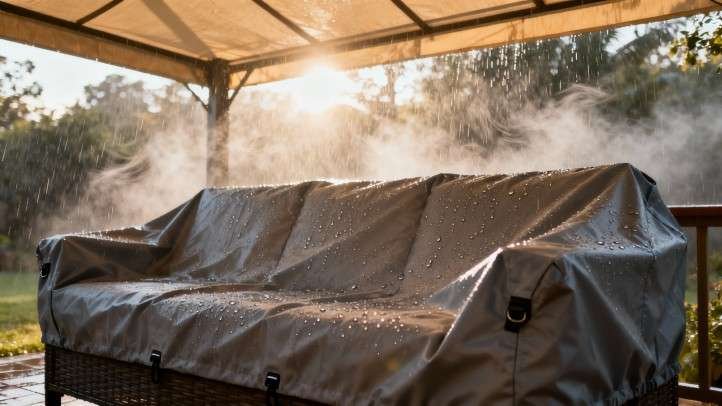
- Cover smart: breathable covers during long rain stretches; avoid trapping moisture (look for venting panels).
- Rinse salt and pollen: both accelerate finish wear and mildew growth.
- Mind the feet: plastic glides or risers stop wicking from wet decks.
- Seasonal check: re-tighten fasteners; replace any rusty 304 with 316 near the coast (Nickel Institute).
Conclusion
- Truly waterproof frames: HDPE and marine-grade polymer are safe bets; powder-coated aluminum is effectively sealed when finished to AAMA 2604/2605 standards. Use 316 stainless steel for hardware in coastal settings. Sources: POLYWOOD – Materials, King StarBoard®, FGIA – AAMA 2605, Nickel Institute
- Cushions: For most homes, choose solution-dyed acrylic (water-resistant and breathable) over reticulated foam for fast drying and mildew resistance; pick marine vinyl only when truly waterproof seating surfaces are required. Sources: Sunbrella – Fabric Difference, QuickDryFoam, Morbern – Marine Vinyl
- Natural woods like teak are not waterproof but are remarkably weather-durable with light seasonal care and a graceful silver patina. Source: USDA FPL – Wood Handbook
FAQ
Q1. Is any outdoor furniture 100% waterproof?
A. Frames in HDPE and marine-grade polymer are effectively waterproof; powder-coated aluminum is sealed when finished to AAMA 2604/2605. For seats, marine vinyl is waterproof; woven acrylics (e.g., Sunbrella) are water-resistant and breathable. Sources: POLYWOOD, King StarBoard®, FGIA – AAMA 2605, Morbern – Marine Vinyl, Sunbrella FAQ
Q2. Are Sunbrella cushions actually waterproof?
A. Most Sunbrella upholstery is water-resistant, not fully waterproof, and is designed to be breathable for faster drying. For heavy rain, store or cover cushions. Pair with reticulated foam to drain quickly. Sources: Sunbrella – Fabric Difference, Umbrella Solids – breathable, QuickDryFoam
Q3. What’s the best waterproof furniture for coastal homes?
A. HDPE or MGP frames with 316 stainless hardware. If you need fully waterproof seats on docks or splash zones, choose marine vinyl; otherwise, solution-dyed acrylic dries fast and resists mildew. Sources: POLYWOOD, King StarBoard®, Nickel Institute on 316, Morbern – Marine Vinyl
Q4. Is teak waterproof enough to leave in the rain?
A. Teak isn’t waterproof, but it’s naturally durable and rot-resistant. Rain won’t hurt it; UV will silver the color. Clean seasonally; use a sealer if you want to slow graying. Source: USDA FPL – Wood Handbook
Q5. How can I make my outdoor furniture last longer in wet weather?
A. Ensure drainage (slats/holes, reticulated foam), use breathable covers, rinse salt/pollen regularly, and spec AAMA 2604/2605 coatings and 316 hardware when possible. Sources: QuickDryFoam, FGIA – AAMA 2605, Nickel Institute