Introduction
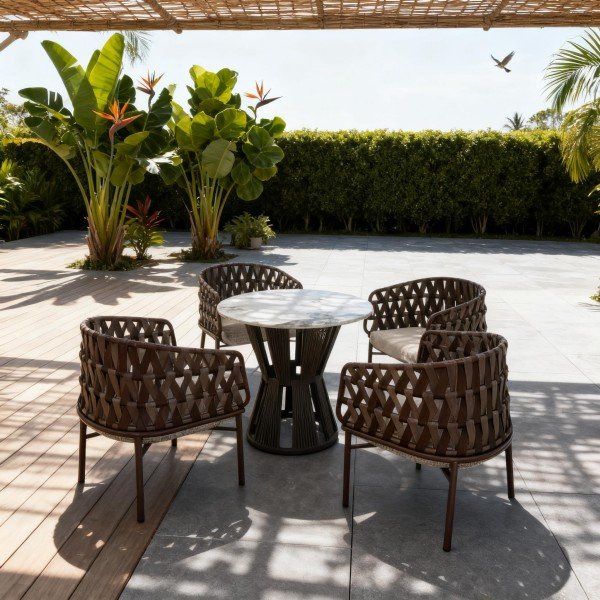
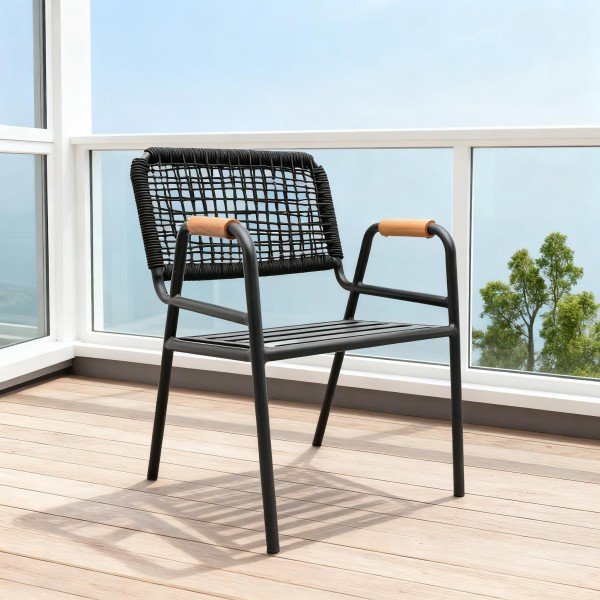
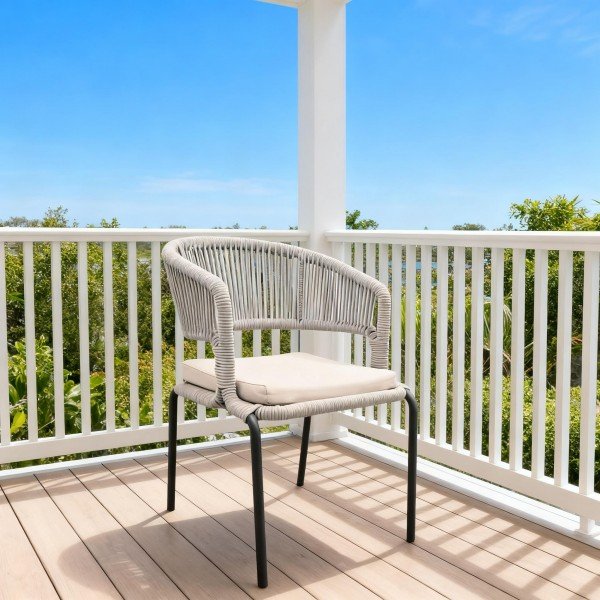
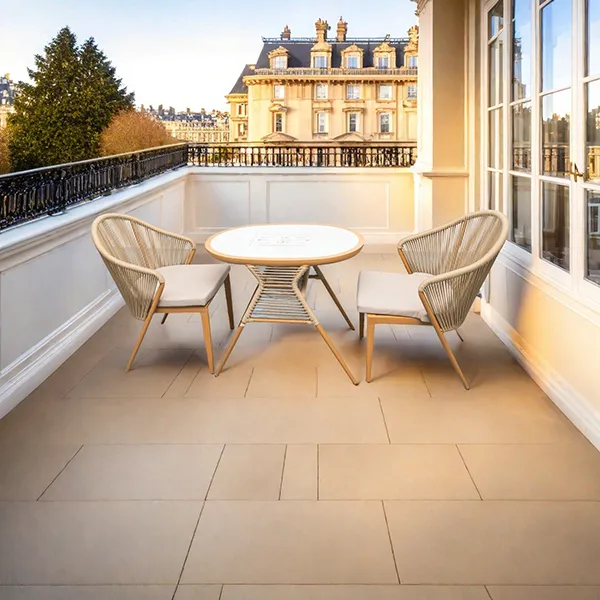
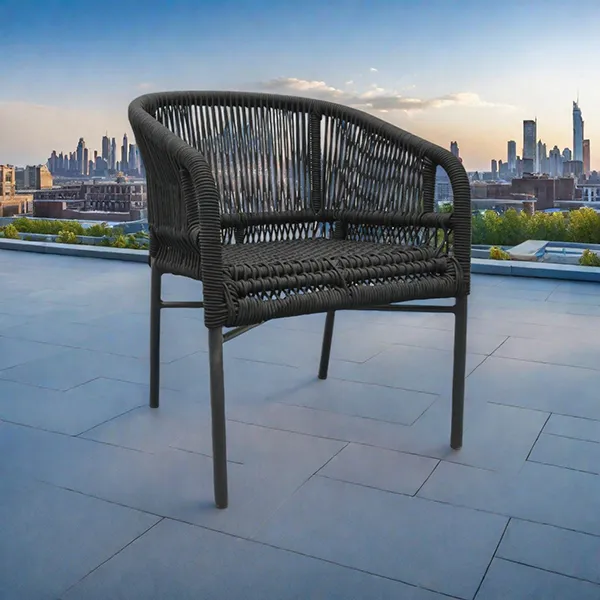
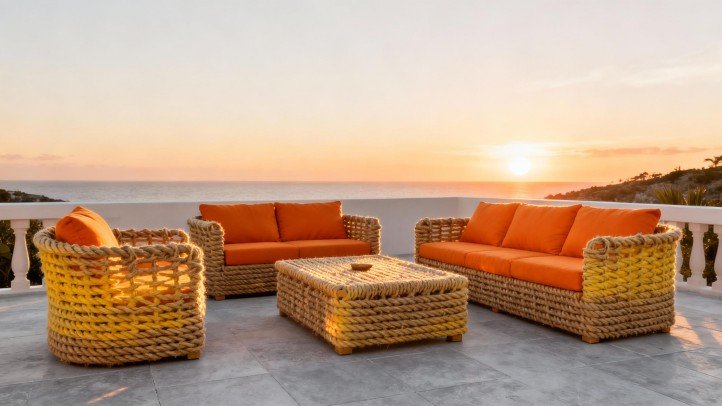
If you’re hunting for a Rope outdoor furniture guide that’s genuinely up-to-date for 2025, you’re in the right place. Rope-woven lounge sets and dining chairs are everywhere-from compact balconies to ocean-front resorts-because they mix sculptural looks with surprising comfort. Demand is rising in step with the outdoor living boom: the global outdoor furniture market reached USD 53.27B in 2024 and is projected to climb to USD 81.44B by 2032 (5.5% CAGR), according to Fortune Business Insights. This guide breaks down the fibers behind “rope,” the frames they wrap around, the lab tests that predict longevity, how to style for different spaces, and exactly how to clean and maintain rope so it lasts.
What exactly is “rope” in outdoor furniture?
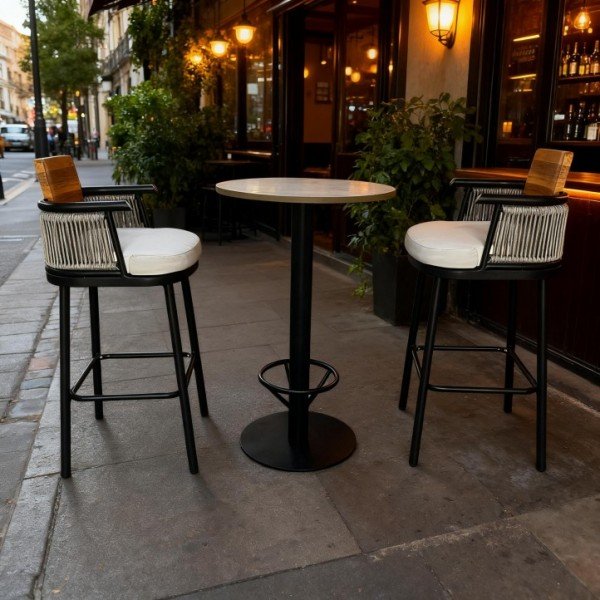
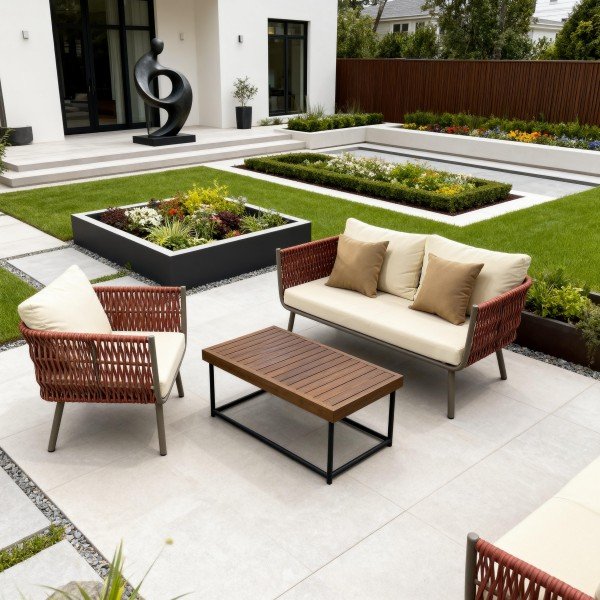
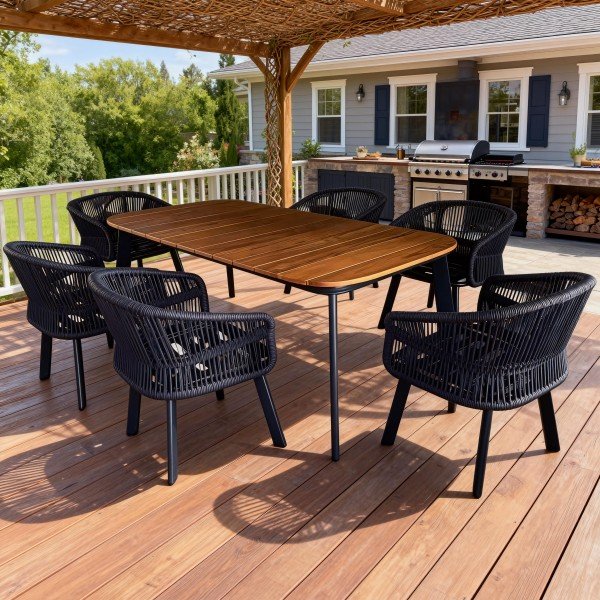
In outdoor seating, “rope” is a braided or knitted cord woven across frames to create seats, backs, and arm details. Most high-performance rope uses synthetic fibers for weatherability: polyester (PET), olefin (a category that includes polypropylene, PP, and polyethylene, PE), solution-dyed acrylic, or proprietary HDPE-based fibers. The U.S. FTC defines olefin as “a manufactured fiber in which the fiber-forming substance is any long-chain synthetic polymer composed of at least 85% by weight of ethylene, propylene, or other olefin units,” which aligns with how outdoor textiles use PP/PE. See 16 CFR §303.7 (eCFR) and GovInfo CFR PDF for the official wording.
Rope materials
| Rope fiber | UV fade resistance | Abrasion | Hand feel | Water & mildew | Notes / Best use |
|---|---|---|---|---|---|
| Polyester (PET) | High with stabilizers | Excellent | Medium-firm | Very good | Balanced performance; great for high-sun decks. |
| Olefin (PP/PE) | Good-excellent with UV stabilizers | Moderate | Softer | Excellent / quick-dry | Lightweight and comfy; unstabilized PP is weaker in UV-always ask for UV-stabilized grades (see FTC’s olefin definition). |
| Solution-dyed acrylic | Excellent intrinsic colorfastness | Good | Soft | Very good | Pigments are added in-solution before fibers are extruded; color runs through the filament. See Sunbrella Fabric Difference. |
| Proprietary HDPE fibers | Excellent | Good | Varies | Excellent | Premium brands extrude HDPE fibers with high weather-fastness, e.g., DEDON Fiber (HDPE) and the DEDON Fiber Guide (PDF). |
Tip: Don’t assume “rope” equals the same performance. Ask for the exact polymer (PP/PE/PET/acrylic/HDPE) and whether it’s UV-stabilized or solution-dyed.
Durability: from lab standards to real-world weather
UV and colorfastness
Sun exposure is the #1 enemy outdoors. Two ideas matter most:
- Solution-dyed coloring (pigment added into the polymer before extrusion) yields fibers whose color goes through the entire filament-stronger fade resistance versus top-dyed yarns. Sunbrella documents this with solution-dyed acrylic and “Color to the Core™” technology. See Sunbrella Fabric Difference.
- Accelerated weathering with ASTM G154 (fluorescent UV + condensation cycles) helps manufacturers predict how rope and coatings perform against UV, heat, and moisture-useful for comparing materials and finishes. See Q-Lab: ASTM G154 and the publicly viewable ASTM G154 PDF (older edition) for scope.
Frames and corrosion
Rope is only as durable as the frame underneath. Powder-coated aluminum is popular because it’s light and resists rust; labs often use ASTM B117 and ISO 9227 salt-spray to benchmark coating systems for corrosion resistance-especially relevant for coastal installations. See ASTM B117 (ASTM Store) or a PDF excerpt, and ISO 9227:2022 (ISO) / ISO 9227 overview (Q-Lab).
Safety, strength & the “outdoor” gap in seating standards
For outdoor chairs and tables, EN 581 covers safety, stability, strength, and durability-helpful when comparing products across the EU (see BSI: BS EN 581 series and a summary by a test lab: Furnitest: EN 581-1/2/3). Meanwhile, BIFMA‘s widely used seating standards primarily address indoor environments. BIFMA states: “The ANSI/BIFMA standards focus on safety and durability of use; they do not currently address outdoor climates“-see BIFMA Outdoor Furniture Interpretation (PDF). In 2025, BIFMA also published a membership Outdoor Furniture Whitepaper outlining test considerations (informative guidance, not a consensus standard).
Ask vendors which outdoor-relevant standards and in-house tests they use.
Styling & coordination
A. Modern resort
- Materials: UV-stabilized polyester rope + powder-coated aluminum frame; cushions in solution-dyed acrylic.
- Palette: Soft stone, driftwood, cloud gray.
- Why: High UV and splash exposure demand colorfast, quick-dry components.
- Trend note (2025): Modular lounge pieces and plush, “indoor-quality” comfort dominate outdoor living. See Livingetc: Outdoor furniture trends 2025.
- [More ideas: Outdoor furniture covers-size & fabric guide]
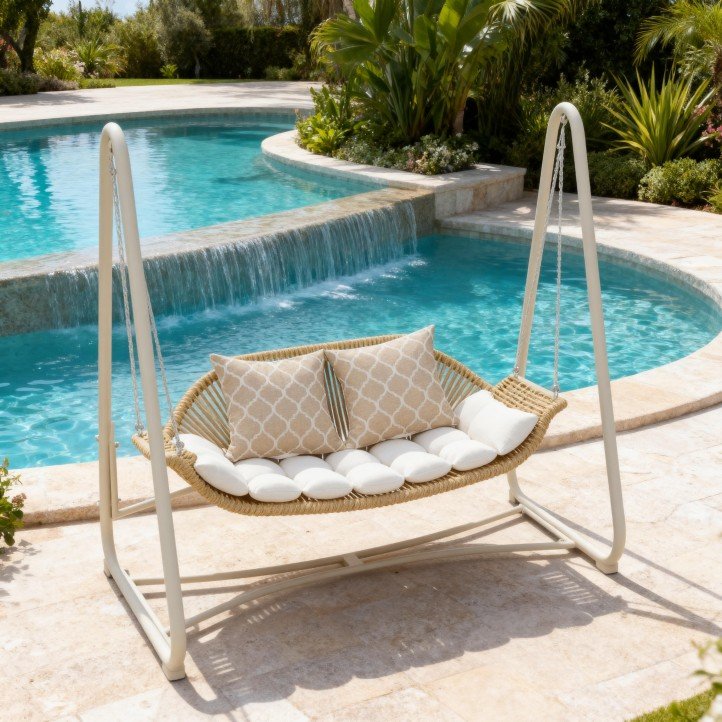
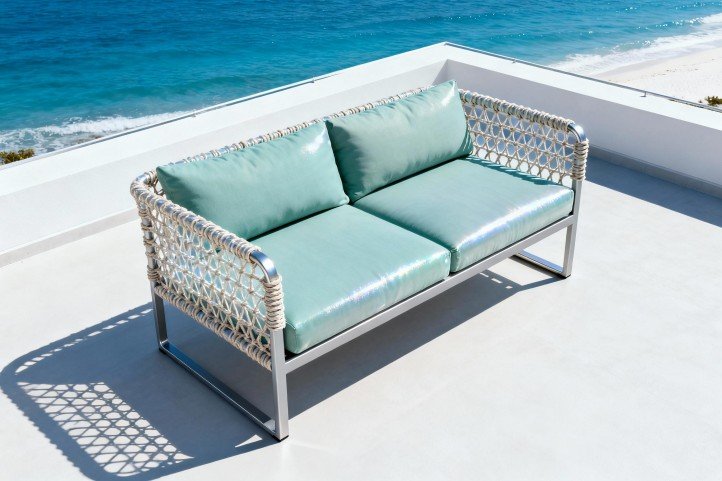
B. Coastal Mediterranean
- Materials: HDPE/Polyester rope (tight weave) over marine-grade powder-coated aluminum; sealed teak accents.
- Palette: Sand, seafoam, navy, flax.
- Why: UV + salt mist; choose finishes validated by salt-spray testing (see ISO 9227).
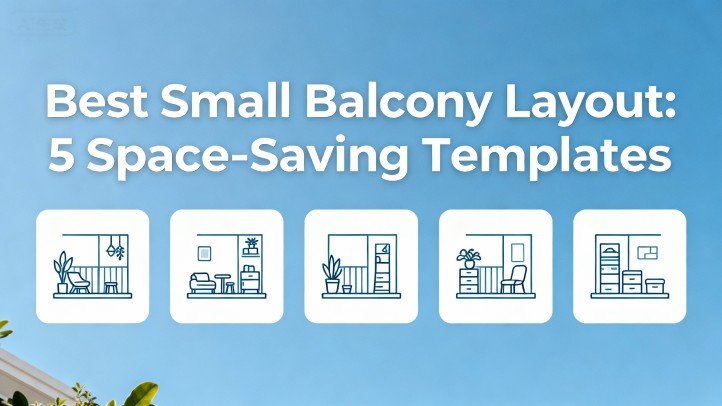
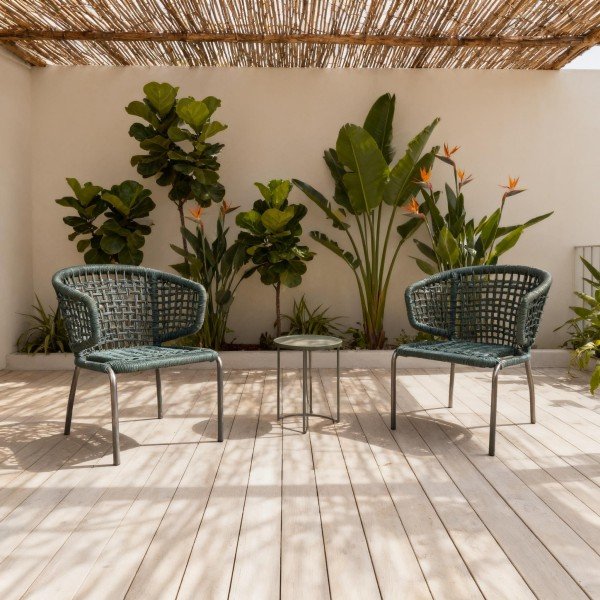
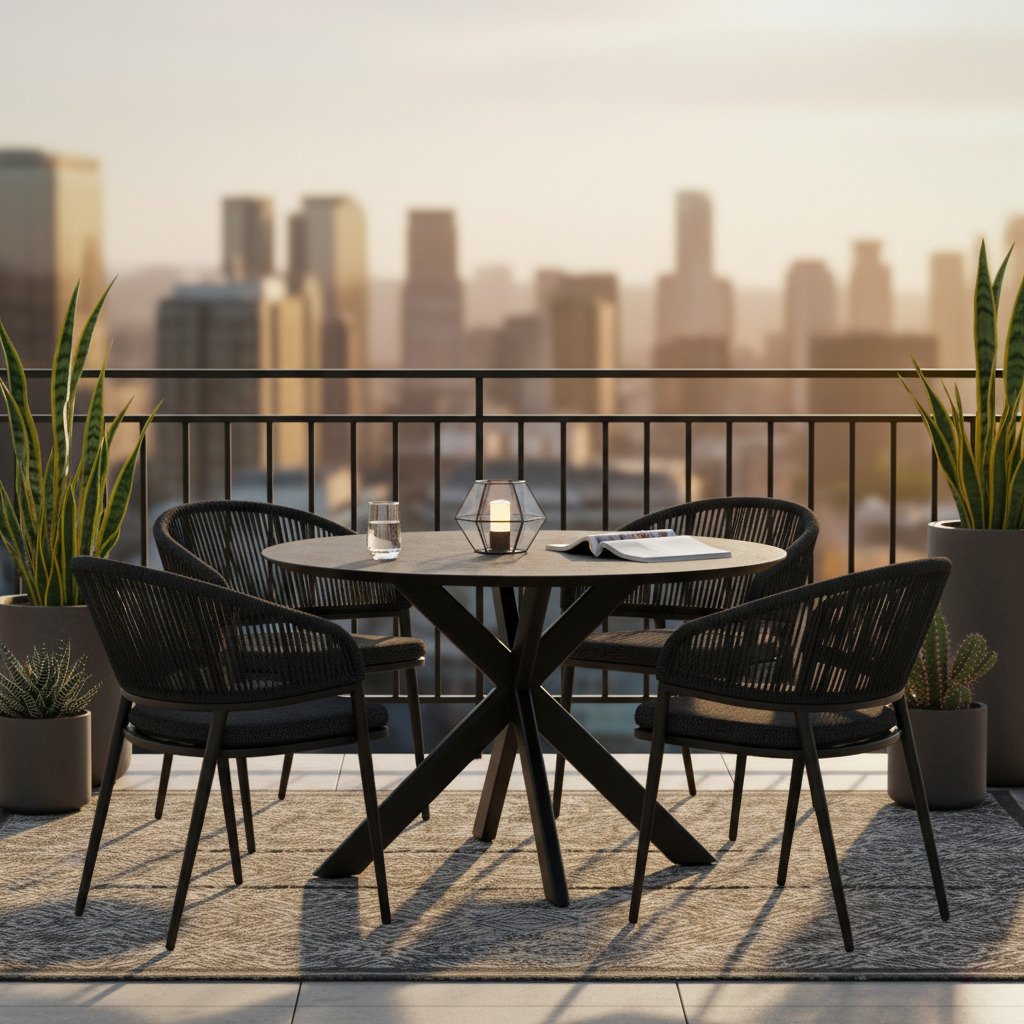
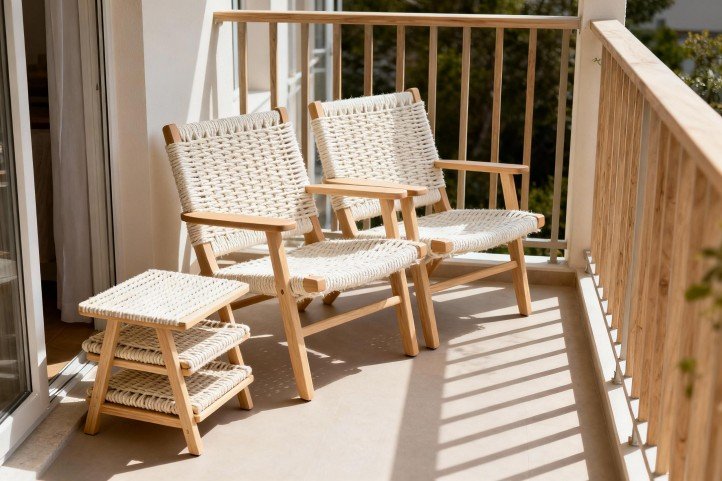
C. Compact urban balcony
- Materials: Olefin rope (soft hand) + slim aluminum frames; nesting side tables.
- Palette: Charcoal, clay, olive.
- Why: Lighter rope is comfortable without bulky cushions; space-saving silhouettes.
Pro buyer’s checklist: budget, climate, maintenance
Budget tiers
- Entry: PP/PE or basic PET rope, simpler powder coating.
- Mid: UV-stabilized PET rope, thicker powder coats, denser weave, solution-dyed acrylic cushions.
- Premium: Proprietary HDPE fibers or high-tenacity PET, multi-coat finishes, marine-grade hardware-see DEDON Fiber and DEDON Fiber Guide (PDF) as category exemplars.
Climate match
- High UV plateau/coastal: PET rope or solution-dyed acrylic rope + solution-dyed acrylic cushions (Sunbrella).
- Humid/tropical: Olefin and PET both quick-dry; ensure mildew-resistant padding and ventilated construction (FTC olefin definition).
- Industrial/coastal air: Favor frames validated by B117/ISO 9227 benchmarks, plus removable, washable cushion covers (ASTM B117, ISO 9227).
Expert insight: Unstabilized PP is susceptible to UV degradation; quality rope uses UV-stabilized PP or blends to improve sunlight resistance-verify the polymer grade and stabilizer package (definition source: FTC/CFR: Olefin).
Care & maintenance
Routine clean
- Dust with a soft brush.
- Mix mild detergent in lukewarm water; sponge the rope and frame.
- Rinse thoroughly and air-dry. (Do not trap moisture under covers.) Brand care pages from Brown Jordan and Kettal materials care echo this gentle-clean approach (Kettal notes you may rinse synthetic fiber with pressurized water-use at a safe distance).
Stubborn stains & mildew
For some polyester/olefin ropes, makers like Gloster allow a diluted bleach protocol for mildew on dirt. Their rope sheet specifies: 4 teaspoons household bleach + 1 teaspoon mild detergent per ~1.5 cups (235-355 ml) warm water; soak 15 minutes; gently scrub; triple rinse thoroughly. See Gloster Outdoor Rope Care (PDF) (and note their general care hub: Gloster care sheets). Always check your brand’s guidance before using oxidizers.
Frame care
Rinse salt and grime; dry; apply a clear automotive wax on powder coats in harsh environments, recommended by Brown Jordan Care & Maintenance (PDF version: Brown Jordan Care PDF).
Video & how-to supplement
Prefer to see it done? Try:
Common mistakes to avoid
- Aggressive solvents (can haze coatings or weaken fibers).
- Pressure washer too close (may scuff powder coats, splay rope filaments-even if some brands allow gentle pressure, keep a safe distance).
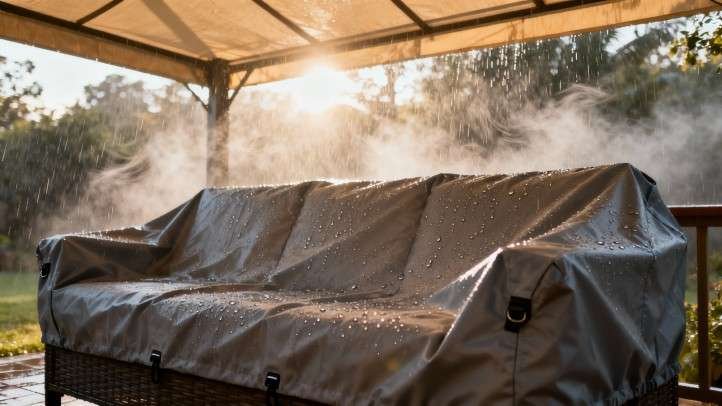
- Covering while wet (traps moisture → mildew).
Real-world hospitality scenario
Constraints: Intense UV + periodic sea spray + heavy use. Spec: PET rope (UV-stabilized, abrasion-resistant), powder-coated aluminum validated through internal salt-spray benchmarks (ISO 9227 / ASTM B117), cushions in solution-dyed acrylic (Sunbrella), ventilated quick-dry foam.
Program: Light clean weekly; bleach-allowed spot protocol monthly if needed (Gloster rope PDF); wax frames 2-3×/year (Brown Jordan); covers on during off-season.
Verification: For structural safety, reference EN 581; for UV/coatings, use ASTM G154 and corrosion standards above. Note BIFMA’s position that indoor standards don’t cover outdoor climates (BIFMA interpretation PDF).
Quick buying checklist
- Fiber identified (PET / PP/PE olefin/acrylic / HDPE)? Solution-dyed or UV-stabilized? (See FTC/CFR: Olefin; Sunbrella.)
- Frame alloy and finish thickness; any salt-spray benchmark disclosed? (ISO 9227 / ASTM B117)
- Weave density consistent? Seat stretches minimally after load?
- Cushions: solution-dyed fabric? Removable, washable covers? (Sunbrella cleaning)
- Care sheet provided (brand-specific bleach guidance, warranty terms)? (Gloster rope PDF)
Conclusion
A great Rope outdoor furniture guide boils down to this: identify the fiber (and whether it’s solution-dyed/UV-stabilized), match the frame to your climate (and look for recognized corrosion/UV benchmarks), and lock in a simple care routine. Do that, and rope seating will keep its structure, color, and comfort season after season. For buyers in 2025, the winning combo is PET or HDPE rope + powder-coated aluminum + solution-dyed acrylic cushions-validated by ASTM/ISO/EN testing and backed by brand care sheets.
FAQ
Q1. How long does outdoor rope furniture last in full sun?
A: With UV-stabilized rope (PET/olefin) and solution-dyed cushions, you can expect many seasons of use. Ask vendors for UV/accelerated-aging data (e.g., ASTM G154) and follow routine care (Sunbrella cleaning; Gloster rope PDF).
Q2. Will the rope stretch or sag over time?
A: Quality rope uses dense weaves and low-creep fibers (often PET). Minor bedding-in is normal; persistent sagging suggests low-tenacity yarns or insufficient frame tension. Check warranty, weave density, and sample the seat for rebound.
Q3. Can I use a pressure washer to clean rope?
A: Avoid close-range pressure-washing-coatings can scuff and rope filaments splay. Some brands (e.g., Kettal) allow gentle pressurized rinsing; always follow your brand’s care sheet and keep a distance.
Q4. Is rope furniture OK for coastal areas?
A: Yes-pair UV-stabilized rope with corrosion-resistant, powder-coated aluminum and solution-dyed acrylic cushions; look for salt-spray benchmarks (ASTM B117 / ISO 9227).
Q5. What’s the difference between olefin and polyester rope?
A: Olefin (PP/PE) is lighter/softer and dries fast; polyester offers excellent abrasion and UV resistance. Seek UV-stabilized grades in both (olefin definition: FTC/CFR).