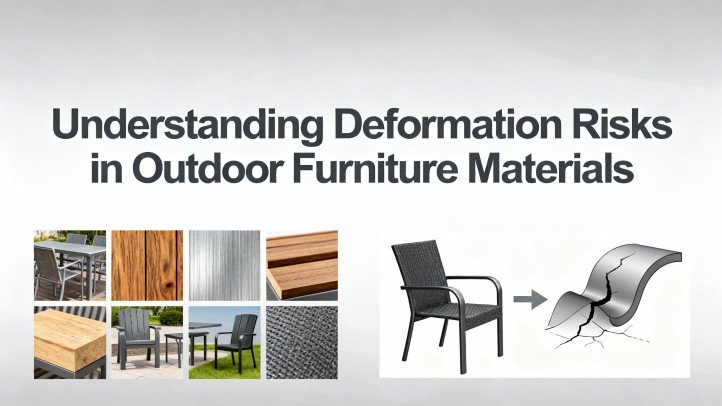
You go outside after winter and see your favorite chair is bent or your table is broken. Many people have this problem. Almost 30% of people with outdoor furniture see things like bending, breaking, or becoming weak after just one season. This happens mostly because they did not protect their furniture well in winter.
- Have you ever thought about how changes in temperature, water, and sunlight hurt your furniture?
- Think about these effects on Outdoor Furniture Materials:
| Environmental Factor | Impact on Materials |
|---|---|
| Temperature Swings | Makes materials get bigger and smaller. This puts stress on joints and can break them. |
| Moisture | It can cause mold to grow. It can make materials rot and get weak. |
| Sunlight | Makes colors fade and materials get old faster. It can dry out and crack things, especially wood. |
Knowing how these things affect your furniture helps you make smart choices and keep your furniture safe.
Key Takeaways
- Keep your outdoor furniture safe from winter weather. This helps stop it from bending or breaking. Put covers on your furniture or move it inside.
- Pick materials that do not get ruined by water, sunlight, or changes in temperature. HDPE and stainless steel are good choices because they last longer.
- Look at your furniture often to find damage like cracks or rust. Finding problems early can stop them from getting worse.
- Put weatherproof coatings on your furniture and clean it often. This helps your furniture look nice and stay strong.
- Make your outdoor space with shade and protection. This helps your furniture last longer and look new.
Main Causes of Deformation
Temperature Fluctuations
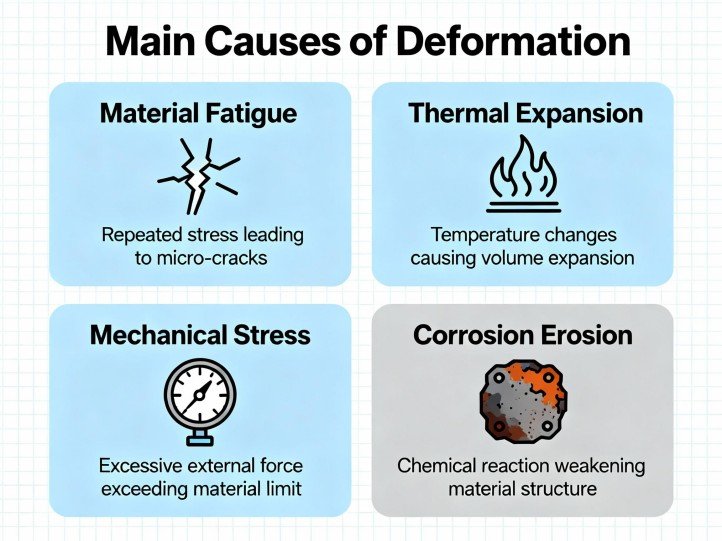
Temperature changes happen all the time. Hot days and cool nights make Outdoor Furniture Materials get bigger and smaller. This can make cracks form and joints get loose. Wood gets bigger when it takes in water, then shrinks when it dries out. These changes might seem small at first, but they can mess up seams and make fasteners weak. Plastic furniture might look strong, but it can still bend or crack after many hot and cold days. Metal can get weak and break if it gets too hot or too cold. Tip: Put your furniture in the shade to help stop quick temperature changes.
Moisture and Humidity
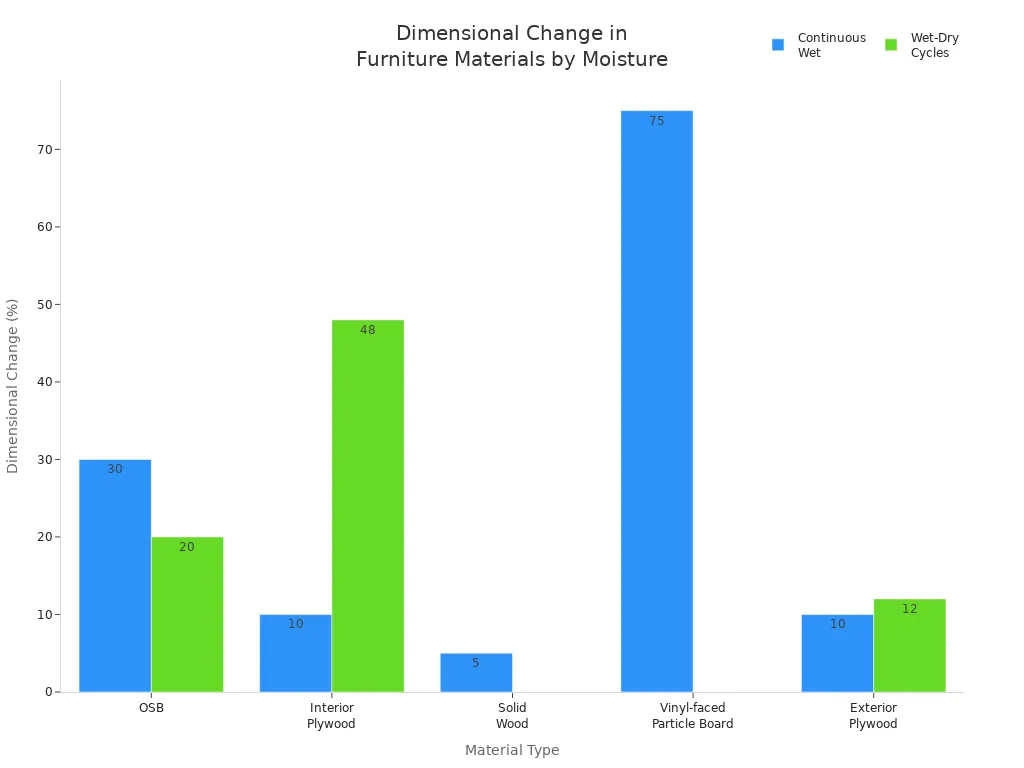
Water is a big problem for Outdoor Furniture Materials. Rain, dew, and humidity can get into wood and other materials with tiny holes. When water gets inside, it makes things swell and change shape. Some materials, like solid wood, can go back to normal after drying. Others, like vinyl-faced particle board, can crack and break fast. The table below shows how different materials change when they get wet:
| Material Type | Moisture Condition | Dimensional Change (%) | Observations |
|---|---|---|---|
| OSB | Continuous Wet | 30% | Swelled more than 45% after cycles 10 and 11. |
| Interior Plywood (IP) | Continuous Wet | 10% | Layers came apart after 10.5 cycles. |
| Solid Wood | Continuous Wet | 5% | Went back to normal size after drying. |
| Vinyl-faced Particle Board (FPB) | Continuous Wet | 75% | Cracked and broke after 4.5 cycles. |
| Exterior Plywood | Continuous Wet | 10% | Turned black after 13 cycles, but did not come apart. |
| OSB | Wet-Dry Cycles | 20% | Swelled 20% when wet, got a little bigger each time. |
| Interior Plywood (IP) | Wet-Dry Cycles | 48% | Got bigger and showed some bounce during cycles. |
| Solid Wood | Wet-Dry Cycles | Slight | Got darker and cracked a little during testing. |
| Exterior Plywood | Wet-Dry Cycles | 12% | Kept getting bigger and smaller at the same rate. |
UV Exposure
Sunlight does more than just make colors fade. Ultraviolet (UV) rays break down the top layer of Outdoor Furniture Materials. If furniture stays in the sun too long, it can fade, bend, and break down. Some materials can handle UV better, but most will get old if left in the sun. You might see your furniture lose color or get weak after a while. Note: Use covers or put furniture in the shade to slow down UV damage.
Mechanical Stress
Every time you sit, move, or use your furniture, you put stress on its parts. Wind can knock over light pieces and cause dents or breaks. Using furniture a lot can make screws and bolts loose. Rust and corrosion hurt metal parts, especially near the ocean. The table below shows common problems and what causes them:
| Environmental Factor | Description |
|---|---|
| Rust & Corrosion | Metals with iron or steel can rust when they touch water and air, especially near the ocean. |
| Warping | Water can make materials dry unevenly, which bends them over time. |
| Sun & Temperature | UV rays and temperature changes can hurt materials, so weatherproof choices are best. |
| Fading | Sunlight all the time can make colors fade and look dull. |
| Cracking | Big temperature changes can make materials get bigger and smaller, which causes cracks. |
| Wind | Light furniture can tip over or blow away in the wind, so heavier pieces are better. |
You can stop many of these problems by picking strong furniture and checking the parts often.
Understanding Thermal Expansion
What Is Thermal Expansion
Thermal expansion means things change size when temperatures change. When something gets hot, it gets bigger. When it cools down, it gets smaller. Scientists use “coefficient of thermal expansion” or CTE to show how much a material changes for each degree. People can measure CTE with special tools like dilatometry or thermomechanical analysis. Here are some important facts:
- Thermal expansion is when a material gets longer or bigger as the temperature changes.
- CTE tells you how much a material grows or shrinks for each degree Celsius.
- You need special tools and ways to measure CTE.
- CTE can be measured in m/m °C for length or cm³/cm³ °C for volume.
Effects on Outdoor Furniture
You can see thermal expansion when the weather changes. Outdoor Furniture Materials like wood, metal, and plastic all react in their own way. Wood fibers get bigger and smaller with heat and water. This can make cracks, bends, or even splits. Metal frames can stretch or shrink, which might make bolts loose or joints wobbly. Some plastics can bend or droop after many hot days. Poly lumber stays strong and does not have these problems. If your furniture shakes or you see spaces at the joints, thermal expansion might be the cause. Tip: Pick materials that handle temperature changes well so your furniture lasts longer.
Impact on Structural Integrity
Thermal expansion can make your furniture weaker. When things get bigger and smaller again and again, it puts stress on joints, screws, and fasteners. This can cause cracks, loose parts, or even broken pieces. Sometimes, the furniture can become unsafe. You should think about how Outdoor Furniture Materials react to temperature changes. If you want your furniture to last, watch how it handles thermal expansion. Check your furniture often to find damage early and keep your outdoor area safe.
How Outdoor Furniture Materials Respond
Outdoor Furniture Materials have many problems outside. You should know how each type acts in the weather. This helps you pick the best one for your yard. Let’s see how metal, wood, plastic, and composite materials react to temperature, water, and sunlight.
Metal
Metal furniture looks tough, but it can change shape. When the sun heats metal, it gets bigger. When it cools down, it gets smaller. This can make joints loose or cause cracks. If you live where it rains a lot, metal can rust. Rust makes the frame weak and unsafe. UV rays can also hurt metal coatings. This makes the surface dull and rough. Tip: Choose powder-coated or stainless steel furniture for better rust and fade protection. Common Deformation Patterns in Metal:
- Gets bigger and smaller from temperature changes
- Rusts and corrodes from water
- Joints and fasteners get weak
- Surface fades from UV rays
| Material Type | Response to Temperature Changes | Response to Moisture | Response to UV Exposure |
|---|---|---|---|
| Metal | Gets bigger and smaller, can crack | Rusts when wet | Gets weak and breaks down with UV rays |
Wood
Wood looks natural, but it reacts a lot to the weather. When wood gets wet, it swells up. When it dries, it shrinks. This can make wood bend, crack, or split. If wood stays wet, it can rot or grow mold. Sunlight makes wood fade and lose its shine. Untreated wood soaks up water fast, so it bends more than sealed wood. Note: Use treated wood or sealants to keep your furniture safe from water and sun. Wood Vulnerabilities:
- Bends and swells from water
- Cracks when it dries out
- Mold and rot in wet places
- Fades and loses shine from UV rays
| Material Type | Vulnerability to Deformation |
|---|---|
| Wood | Bends from water, mold, and rot |
Plastic
Plastic furniture is light and easy to move. But it can change fast in the sun and heat. UV rays break down plastic, making it fade and crack. Temperature changes make plastic get bigger and smaller. This can cause cracks. Some plastics, like polypropylene and polyethylene, get soft and lose shape in heat. Others, like polycarbonate, handle UV better and last longer.
Plastic Deformation Risks:
- Fades and cracks from the sun
- Gets soft and bends in the heat
- Breaks easily in cold
- Does not last long without weather protection
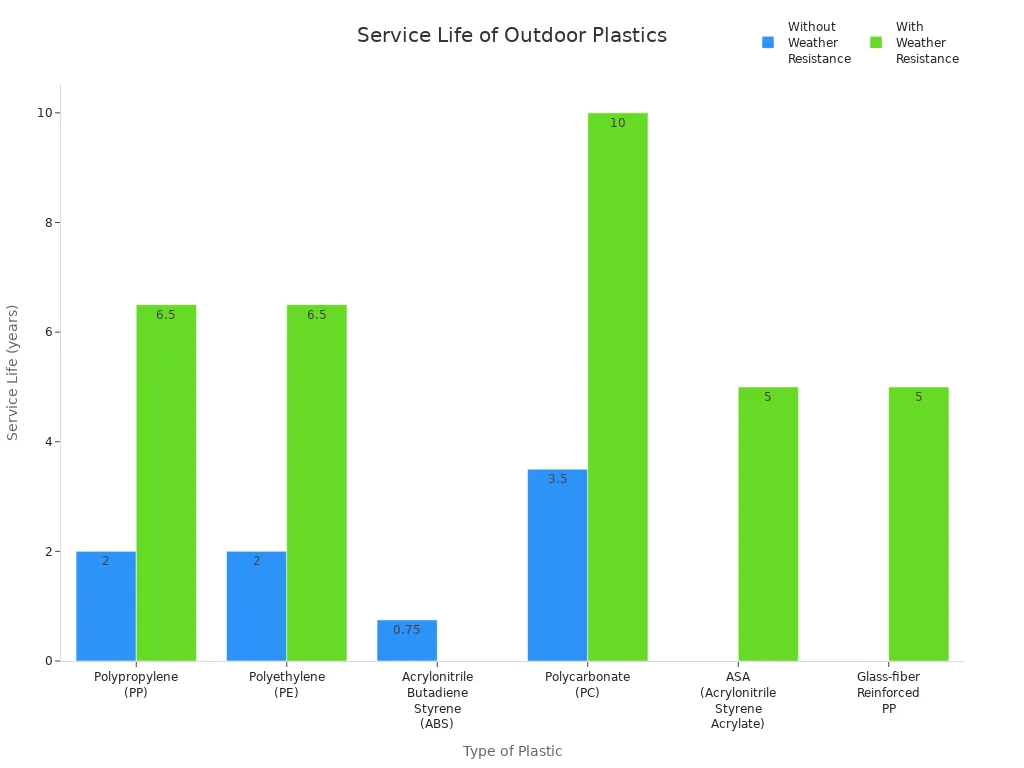
| Type of Plastic | Response to UV and Temperature Changes | Service Life Without Weather Resistance | Service Life With Weather Resistance |
|---|---|---|---|
| Polypropylene (PP) | Fades and cracks from sunlight | 1-3 years | 5-8 years |
| Polyethylene (PE) | Gets soft and loses shape | 1-3 years | 5-8 years |
| Acrylonitrile Butadiene Styrene (ABS) | Gets brittle and fades a lot | 6-12 months | N/A |
| Polycarbonate (PC) | May turn yellow but handles UV well | 2-5 years | 10+ years |
| ASA (Acrylonitrile Styrene Acrylate) | Handles UV and heat well | N/A | 3-7 years |
| Glass-fiber Reinforced PP | N/A | N/A | 3-7 years |
Composite
Composite materials mix plastic and fibers to make strong furniture. These materials fight water and UV rays better than wood or metal. High-density polyethylene (HDPE) and high-impact polystyrene (HIPS) are popular. HDPE holds heavy things and does not bend easily. HIPS takes hits well, so it is good for homes with kids or pets. Composites do not fade or crack as fast as other materials. But they can still bend if it gets very hot or cold. Note: Composites are strong and need little care for outdoor use. Composite Material Strengths:
- Resist water and UV rays well
- Stay strong under heavy weight
- Take hits without breaking
- Fade and bend less than wood or plastic
| Material Type | Vulnerability to Deformation |
|---|---|
| Composite | Bends and fades from temperature changes |
Quick Comparison Table
| Material Type | Most Vulnerable To | Best Feature |
|---|---|---|
| Wood | Bending, rot, fading | Natural look |
| Metal | Rust, cracking, fading | Strength |
| Plastic | Fading, cracking, bending | Lightweight |
| Composite | Bending, fading | Durability |
If you want furniture that lasts, pick Outdoor Furniture Materials that fight water, temperature changes, and UV rays. Always think about your local weather before you choose a material.
Deformation Signs by Material
Metal Deformation
You might notice metal furniture changing shape after exposure to the weather. Look for these signs:
- Rust spots: Orange or brown patches often appear on steel or iron.
- Loose joints: Bolts and screws may wiggle or fall out.
- Bent frames: Legs or arms can curve or twist.
- Faded finish: Paint or powder coating loses shine and peels.
Tip: If you see rust, clean it quickly. Use a rust-resistant spray to protect the metal.
Wood Deformation
Wood shows damage in many ways. You can spot problems by checking for:
- Cracks and splits: Lines form along the grain, especially at the ends.
- Warping: Boards bend or twist out of shape.
- Mold or mildew: Black or green spots grow in damp areas.
- Faded color: Sunlight makes wood look dull or gray.
| Sign | What It Means |
|---|---|
| Cracks | Drying or shrinking |
| Warping | Uneven moisture |
| Mold | Too much water |
| Fading | UV damage |
Plastic Deformation
Plastic furniture can look fine at first, but you should check for:
- Fading: Bright colors turn pale or yellow.
- Cracking: Small lines or breaks appear, often near joints.
- Sagging: Seats or backs droop after hot days.
- Brittleness: Pieces snap easily when you move them.
Note: Weather-resistant plastics last longer. If you see cracks, replace the part before it breaks.
Composite Deformation
Composite materials resist damage, but you still need to watch for:
- Minor warping: Boards may bend slightly in extreme heat.
- Surface fading: Colors lose brightness over time.
- Chipping: Edges can break if hit hard.
- Loose fasteners: Screws or clips may come loose.
- If you spot these signs early, you can fix small problems before they get worse. Regular checks help your furniture last longer.
Prevention Strategies
Outdoor furniture has to deal with many tough things outside. You can keep your furniture strong and nice if you use smart ways to protect it. These steps help you pick good materials, make strong designs, take care of your furniture, and keep it safe from bad weather.
Material Selection
You should pick materials that work well where you live. Some materials last longer and are easier to care for. Look at the table below to see what matters when picking Outdoor Furniture Materials:
| Criteria | Description |
|---|---|
| Local Climate Conditions | Materials must handle your weather, like rain, sun, and hot or cold days. |
| Durability | Check if it is strong, hard to break, and stays together over time. |
| Maintenance Costs | Think about how much work and money it takes to keep it nice. |
Materials like HDPE, teak wood, stainless steel, and powder-coated aluminum are very strong and fight bad weather well. Here is how they compare:
| Material | Durability Features | Weather Resistance |
|---|---|---|
| HDPE | Very strong, easy to care for, does not fade, crack, or break | Excellent |
| Teak Wood | Fights rain, does not rot, looks nice | Excellent |
| Stainless Steel | Does not rust, very strong, good for tough weather | Excellent |
| Powder-Coated Aluminum | Easy to clean, fights the weather, and strong | Excellent |
Tip: Pick materials that match your weather and need less care so your furniture lasts longer.
Design for Durability
Good design helps your furniture stay strong and not bend or break. Look for things that make it tougher and protect it from weather. The table below shows what to look for and why it helps:
| Material | Key Features | Durability Benefits |
|---|---|---|
| Teak | Does not rot or get bugs, needs little care | Great for outdoor use |
| Aluminum | Light does not rust, fights corrosion | Good for all weather |
| HDPE Wicker | Made from plastic, blocks UV rays, easy to clean | Lasts long and looks good |
| Stainless Steel | Strong, does not rust | Handles all kinds of weather |
| Concrete | Solid, fights the weather | Very strong and looks modern |
You should look for these things in your furniture:
- Strong joints and frames
- Cushions that fight water
- Smooth surfaces that let water run off
- Legs that are raised to keep away from wet ground
Note: Furniture made with strong materials and built for the outside will last longer and not break as easily.
Maintenance Tips
Taking care of your furniture often keeps it looking good. Simple steps can stop cracks, fading, and other problems. Try these tips to keep your furniture from bending or breaking:
- Clean your furniture a lot to get rid of dirt.
- Put furniture under cover when you are not using it.
- Check for damage and fix it fast.
Other good habits are:
- Cleaning often gets rid of dirt that can hurt your furniture.
- Checking your furniture helps you find problems early.
- Fixing things right away makes covers last longer.
- Keeping furniture under a roof keeps it safe from rain and sun.
- Using special coatings protects from water and the sun.
- Do not use strong cleaners that can hurt the finish.
| Maintenance Action | Benefit |
|---|---|
| Clean with gentle soap | Keeps it looking good and stops dirt from hurting it |
| Use protective coatings | Makes it stronger against the weather |
| Check for damage | Let’s you fix things before they get worse |
Tip: Clean and check your furniture often. Small fixes now stop big problems later.
Weather Protection
Keeping your furniture safe from the weather is the best way to stop it from bending or breaking. You can do many things to protect your furniture:
- Pick materials like teak, cedar, aluminum, and wrought iron that fight the weather.
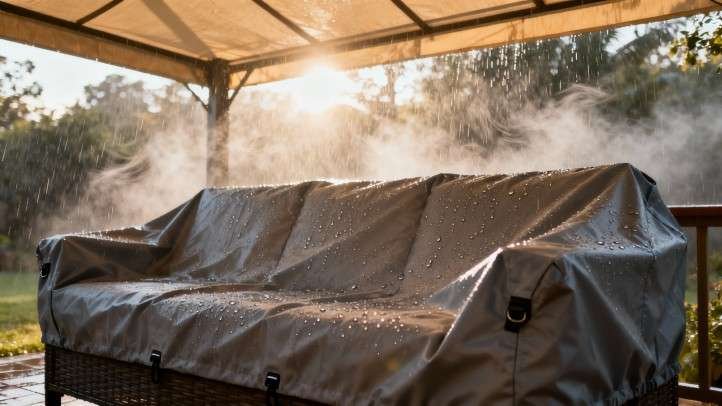
- Buy good covers to block rain, sun, and dirt.
- Put furniture inside when the weather is bad.
- Use sealants on wood to stop water and sun from hurting it.
- Clean your furniture to stop dirt from causing damage.
- Give shade with umbrellas or pergolas.
- Put cushions away when you are not using them.
- Check for damage and fix it right away.
- Use pads under furniture to stop scratches.
- Put furniture in the shade to stop sun damage.
| Material Type | Benefits |
|---|---|
| Aluminum | Does not rust, is light, and stays strong in hot or cold weather |
| Synthetic Resin/Wicker | Blocks water, fights the sun, easy to clean |
| Teak Wood | Natural oils stop rot, and tight wood keeps it from bending |
| Polymer/Plastics | Blocks water, special stuff stops the sun from hurting it |
Note: Protecting your furniture from weather helps it last longer and keeps it looking new. You can enjoy your outdoor space more if you pick the right Outdoor Furniture Materials, use strong designs, take care of your furniture, and keep it safe from the weather. You can keep your outdoor furniture safe if you pay attention. Look for problems like creaking, chipped paint, or mold. Take care of your furniture often to stop fading, cracking, and rust. Doing this helps your furniture last longer. Use this table to see the biggest risks and how to stop them:
| Key Risks | Prevention Strategies |
|---|---|
| UV fading and cracking | Pick strong materials and use covers that fit well |
| Heat breakdown | Put on covers tightly and keep away from heat and wetness |
| Abrasion and corrosion | Clean a lot and use covers that fit snugly |
Check your furniture regularly. Put on weatherproof covers. Move furniture inside when the weather is bad. These steps help you use your outdoor space for a long time.
FAQ
What is the best way to protect outdoor furniture from sun damage?
You should use covers or place your furniture in the shade. UV-resistant sprays also help. Clean and check your furniture often. This keeps colors bright and stops cracking.
How often should I check my outdoor furniture for damage?
Check your furniture every month. Look for cracks, loose screws, or fading. Early checks help you fix small problems before they get worse.
Can I leave metal furniture outside all year?
You can leave metal furniture outside, but you should cover it during rain or snow. Choose rust-resistant metals like stainless steel or aluminum for better results.
What should I do if my wooden furniture starts to crack?
Sand the cracked area and apply a wood sealant. Keep the furniture dry and out of direct sunlight. Regular care stops cracks from spreading.
Are plastic chairs safe to use after they fade or crack?
Faded plastic can still be safe, but cracks mean the chair might break. Replace cracked plastic chairs to avoid accidents.