Introduction:
If you’ve ever sunk into an outdoor sofa that felt amazing for five minutes but started numbing your legs by minute twenty, you’ve met the enemy of true comfort: poor ergonomics and mismatched materials. This guide shows you exactly what makes the most comfortable outdoor sofa, from seat depth and cushion cores to fabric science and climate fit-so you can lounge longer with fewer compromises. TL;DR: Comfort outdoors is a system. Combine the right ergonomics (seat depth/height, back angle, lumbar), performance cushions (thickness, density, ILD, reticulated quick-dry foam), and solution-dyed performance fabrics to get plush comfort that survives sun, rain, and real life. For fabric fundamentals, see the overview from Sunbrella performance fabrics.
What “Most Comfortable” Really Means Outdoors in 2025
Comfort has five pillars:
- Ergonomics: seat depth/height, back angle, lumbar support
- Cushion Science: thickness, foam density, ILD (firmness), and recovery
- Breathability & Drying: open-cell/reticulated foams, vented cushions
- Touch & Temperature: fabric handfeel, UV stability, heat management
- Climate Fit: materials matched to humidity, coastal salt, intense UV, or four-season swings
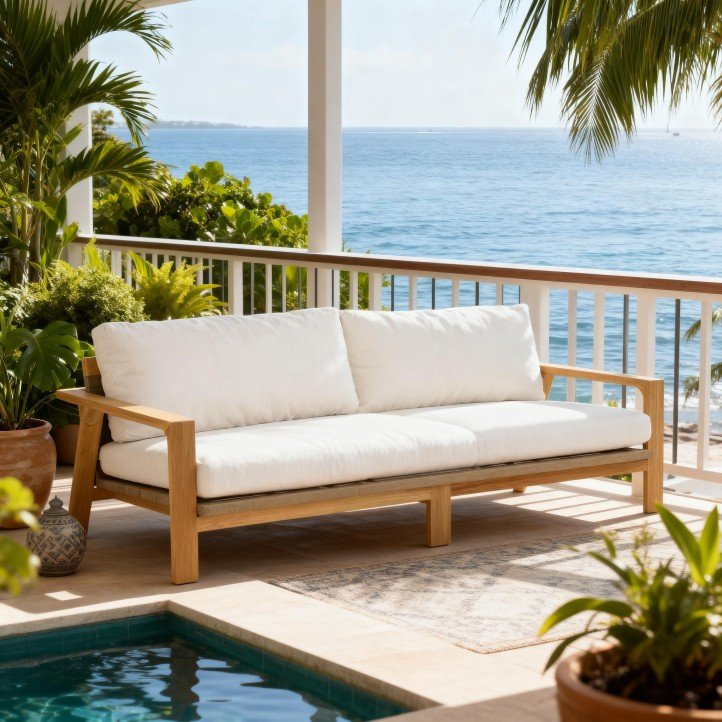
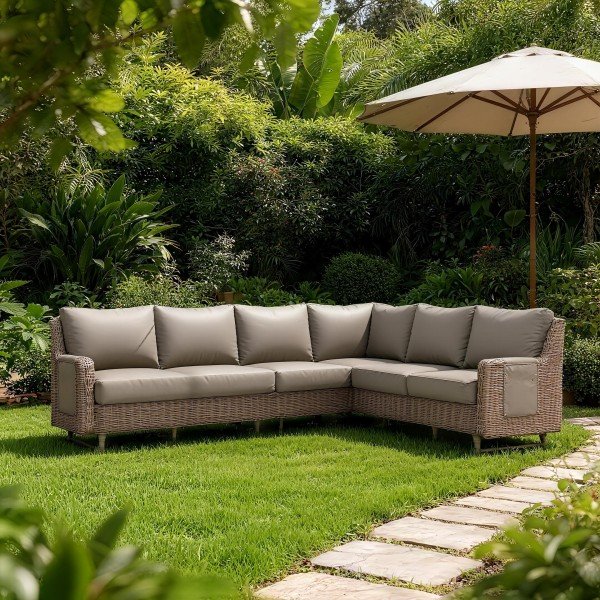
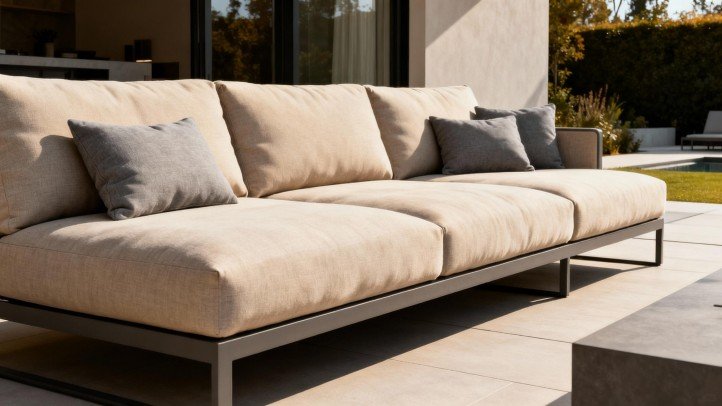
Quick self-check: Do you lounge feet-up 60%+ of the time? You’ll likely prefer a deep-seat (58-63 cm / 23-25″) with a 10-12 cm (4-5″) cushion. Prefer upright entertaining? Aim for moderate depth (52-56 cm / 20-22″) with supportive lumbar pillows. (Hero image ALT: most-comfortable-outdoor-sofa-2025-guide-radar)
Ergonomics
Seat Depth & Height
- Seat depth targets
- Compact loungers/upright: 50-55 cm (19.5-21.5″)
- Mixed use: 55-60 cm (21.5-23.5″)
- Deep lounging/taller users: 60-65 cm (23.5-25.5″)
- Seat height (including compressed cushion): 40-45 cm (16-18″) lets most adults plant their feet flat without knee strain.
These align with comfort seating guidance used by furniture designers (see WOOD Magazine’s seat-comfort measurements). For general posture science, Cornell’s ergonomics resources remain a gold standard: Ergonomics of sitting and preferred recline ranges. Value tip: If you’re under ~165 cm (5’5″), add a lumbar bolster or a seat wedge to make a deep sofa feel right without swapping frames. (Diagram ALT: deep-seat-58cm-most-comfortable-outdoor-sofa-diagram)
Back Angle & Lumbar Support
For relaxed lounging, many users like a seat-to-back angle around 100-110°; ergonomic research for supported recline often notes 110-130° as low-pressure territory-outdoor lounge settings typically sit at the lower end of that range, so you can converse without a “sleeping” posture. See Cornell’s supported recline findings. 3-minute in-store test: Sit upright (1 min), lean back (1 min), then side-perch (1 min). If you feel tailbone pressure or your lower back “hunts” for support, increase lumbar pillow thickness (≈8-10 cm) or choose a back with a touch more recline.
Cushion Thickness, Density & ILD
- Thickness: Most outdoor seats feel supportive at 10-12 cm (4-5″) minimum; deep-lounge designs often use 12-15 cm (5-6″).
- Density vs. ILD:
- Density (kg/m³ or lb/ft³) ≈ , durability/support potential (not the same as firmness).
- ILD (Indentation Load Deflection) ≈ perceived firmness (higher ILD = firmer).
- Targets: Seat cores in medium to medium-firm ILD with a soft fiber wrap = “soft landing, no bottoming-out.” Backs can be softer/lower ILD.
Learn more about ILD with these approachable explainers: Foam density vs. ILD and a primer on ILD basics.
Materials & Structure
Frames: Aluminum, Teak, HDPE Wicker
| Frame | What it feels like | Comfort impact | Care |
|---|---|---|---|
| Powder-coated aluminum | Light but sturdy; feels neutral under cushions | Stays true in humid/coastal areas; great base for deep cushions | Low-maintenance; quality coatings resist corrosion, fading, and scratches- see Jensen Outdoor on powder-coated aluminum |
| Teak hardwood | Warm, organic; patina silver over time | Rigid/stable frame supports long-term cushion comfort | Clean + optional oil/sealer; natural oils resist weather-see Teak: properties & durability |
| HDPE wicker (on alloy frame) | Slight flex; visual warmth | Good airflow under cushions; UV-stable resins matter | Hose off; choose UV-resistant grades-overview: HDPE all-weather wicker |
Fabrics
Solution-dyed acrylic (e.g., Sunbrella®) saturates fiber with pigment + UV stabilizers before spinning. Result: excellent fade resistance, color-through performance, and easy cleaning-key for cushions that still feel good after storms and sunscreen. See Sunbrella: performance fabric difference. For fade resistance claims, brands reference xenon-arc light testing such as ISO 105-B02 and AATCC 16. These simulate sun exposure and help predict colorfastness outdoors.

Cushion Cores & Drainage: Reticulated (Quick-Dry) Foam
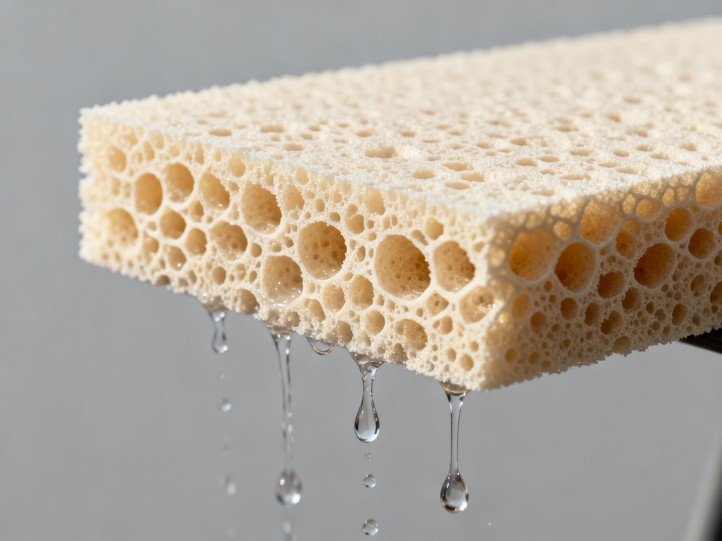
For humid/coastal climates or poolside seating, reticulated open-cell foam is a game-changer: water passes through, air circulates, and cushions dry fast-so they stay comfy instead of clammy. See the Urecel QuickDry® brochure and spec data (Urecel QuickDry spec sheet). You can also browse QuickDryFoam.com. Best practice: Pair reticulated cores with mesh underliners and vented cushion construction; choose fabrics that won’t trap moisture.
Weatherproof Comfort
| Climate | Frame | Fabric | Cushion Core | Bonus moves |
|---|---|---|---|---|
| Humid/tropical | Powder-coated aluminum/teak | Solution-dyed acrylic | Reticulated foam | Breathable covers; storage airflow |
| Coastal/salt air | Powder-coated aluminum | Acrylic/olefin | Reticulated foam | Rinse frames; vented covers |
| High UV/desert | Teak/HDPE + UV-stable wicker | Acrylic with strong lightfastness | Medium-firm cores (avoid heat-collapse) | Shade (umbrellas/pergolas), lighter colors |
| Four seasons | Teak/aluminum | Acrylic/olefin | Mixed cores; removable covers | Seasonal covers; dry storage winters |
Mildew control: Fabrics don’t easily mildew, but dirt can host growth. Clean regularly using makers’ guides (e.g., Sunbrella cleaning guide). Antifungal resistance in textiles is evaluated with AATCC 30.
Layout & Sizing: Comfort You Can Actually Use
- Clearances: Keep 80-90 cm (32-36″) for main walkways; at least 45-60 cm (18-24″) around coffee tables for feet-up lounging.
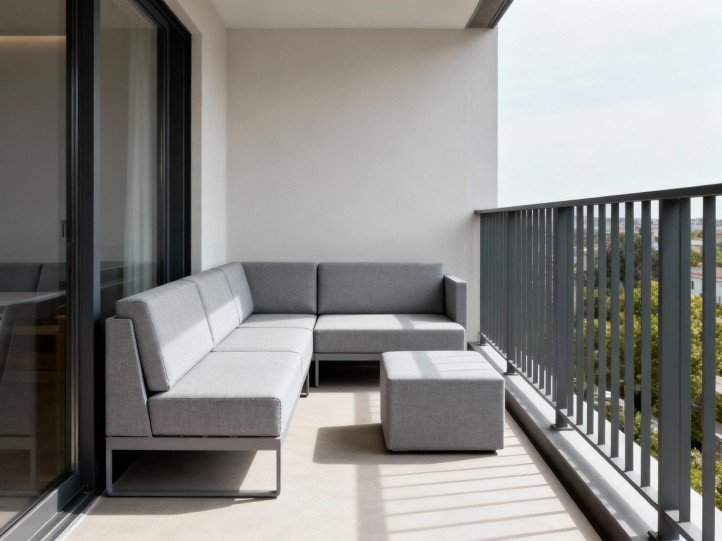
- Small spaces: Pick modular 2-seaters with an ottoman to extend depth on demand; choose armless middle units to reclaim elbow room.
- Family & pets: Opt for removable, machine-washable covers; performance fabrics with robust lightfastness and stain resistance will pay off during summer popsicle season.
Try-Before-You-Buy
In-store 3-minute sit cycle
- Upright chat posture: check knee angle ~90-100°, feet flat.
- Reclined lounging: avoid tailbone pressure; lumbar still supported.
- Side-perch: armrest height lets you rotate without shoulder hike.
Online? Replace “sit” with data:
- Seat depth/height + cushion thickness & ILD, fabric type (solution-dyed acrylic/olefin), core type (reticulated vs. standard), and return/warranty terms.
- [For more information, please read: Quick-Dry Foam Explained]
Budget & Value
- Under $1,000 (2-seater range): Prioritize ergonomics first (correct depth/height) and fabric quality (solution-dyed).
- $1,000-$3,000: Upgrade to reticulated cores, aluminum/HDPE frames, and removable covers.
- $3,000+ (sectional/luxe): Look for premium teak or high-grade coatings, multi-layer cushion builds, and multi-year fade/water warranties.
Powder-coated aluminum and teak typically offer excellent structure for long-term comfort in harsh climates-see powder-coated aluminum benefits and teak durability overview.
Care & Upgrades
- Fast routine: Brush debris, hose off frames, spot-clean cushions monthly in season. Follow the fabric maker’s cleaning process-Sunbrella: how to clean.
- Quick upgrades:
- Add an 8-10 cm lumbar pillow for deeper seats.
- Use an ottoman to create chaise-like support.
- Add shade (umbrella/pergola) to reduce fabric heat gain and fading.
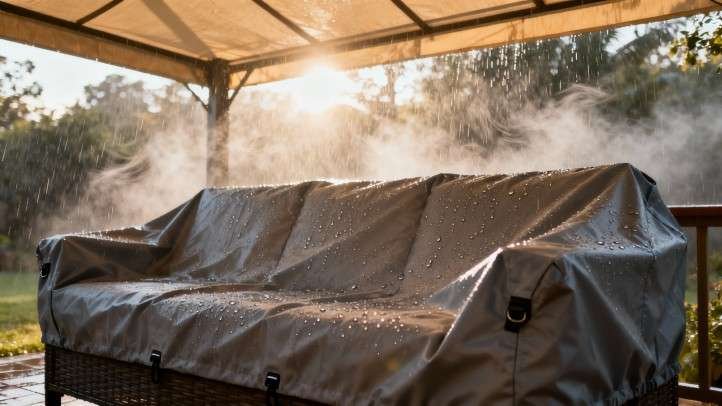
- Storage: Dry cushions fully before bagging; use vented covers to prevent stale odors.
[Please read this article if you want to learn how to clean your sofa cushions.]
Sustainability & Health
- FSC-certified teak helps ensure wood comes from responsibly managed forests what the FSC labels mean.
- Low-VOC coatings (e.g., GREENGUARD) support better indoor air, even for covered patios and three-season rooms-UL GREENGUARD Certification.
Conclusion
- Fit your body & posture: dial in depth/height/angle + lumbar to match how you lounge.
- Specify cushions that last: thickness, density/ILD tuned to your feel; reticulated foam for wet climates.
- Choose performance fabrics & frames: solution-dyed acrylic + aluminum/teak/HDPE suited to your climate.
Lock these in, and you’ll have the most comfortable outdoor sofa that still feels plush after storms, barbecues, and endless summer nights.
FAQ
Q1. What seat depth is best for the most comfortable outdoor sofa?
A1: st people find 55-60 cm (21.5-23.5″) ideal for mixed lounging and conversation. Go 60-65 cm (23.5-25.5″) if you’re tall or love to curl up; choose 50-55 cm for compact spaces or upright sitting. For posture context, see seat comfort guidelines.
Q2. Which cushion materials stay comfy after rain?
A2: Look for reticulated (quick-dry) open-cell foam cores with breathable construction; they drain fast and resist that clammy feel. Pair with solution-dyed acrylic covers for quick cleanup and UV stability-see Urecel QuickDry and Sunbrella fabric performance.
Q3. Are modular outdoor sofas as comfortable as sectionals?
A3: Yes-when modules match the same seat height/depth and cushion build. Modular ottomans can add chaise-like support, boosting comfort without committing to a giant footprint.
Q4. What’s the ideal back angle for lounging outside?
A4: Aim for about 100-110° for relaxed outdoor lounging; ergonomics research for supported recline finds 110-130° minimizes back pressure-see Cornell’s recline guidance.
Q5. How do I keep cushions from feeling clammy in humid climates?
A5: Choose reticulated cores, vented cushion covers, and fabrics that clean easily. Dry cushions fully before covering/storage and follow maker cleaning guides like Sunbrella’s cleaning steps to remove dirt (mildew feeds on dirt, not the fabric itself).