Introduction:
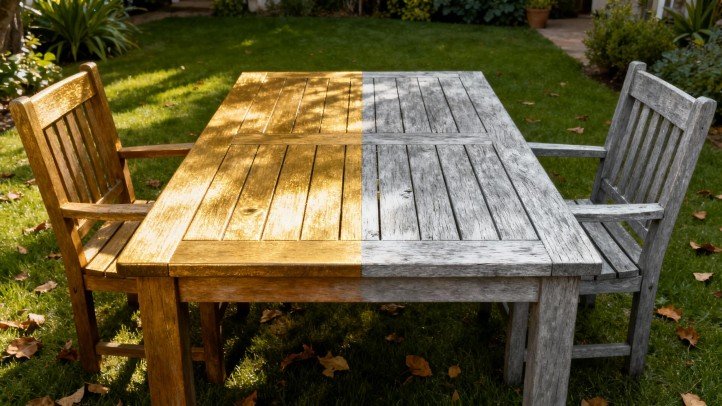
If you’re wondering how to maintain teak outdoor furniture, here’s the truth: you can either let teak weather to a silvery patina with almost no fuss, or keep the warm honey color with a quick, once-a-year sealing routine. Either path works because teak is a dense, oily hardwood that naturally resists rot-so the question isn’t “if” it will last, but how you want it to look. This guide shows you the exact steps to maintain teak outdoor furniture without wasting your weekends.
Teak’s performance is rooted in its material science: natural oils and a touch of silica make it stable and weather-tough outdoors (Royal Horticultural Society; USDA Forest Products Laboratory Wood Handbook; The Wood Database-Teak). Understanding those properties will help you maintain teak outdoor furniture the smart way.
Why the Wood Dictates the Care
- Natural oils & silica: These reduce water uptake and biological attack. Outside, UV breaks down the surface lignin, so the wood turns silver-grey; this is cosmetic, not structural.
- Dimensional stability: Teak moves less than many hardwoods, so joints and slats cope well through seasons.
- What this means for maintenance: You don’t need a film finish for durability. You only need a sealer if you want to keep the golden color.
Quick myth-bust: “Teak is maintenance-free.” Reality: low maintenance. Gentle cleaning and good airflow are your best friends when you maintain teak outdoor furniture.
Pick a Finish Strategy
Ask yourself what look you want:
- Love the silver patina? Skip coatings; wash periodically.
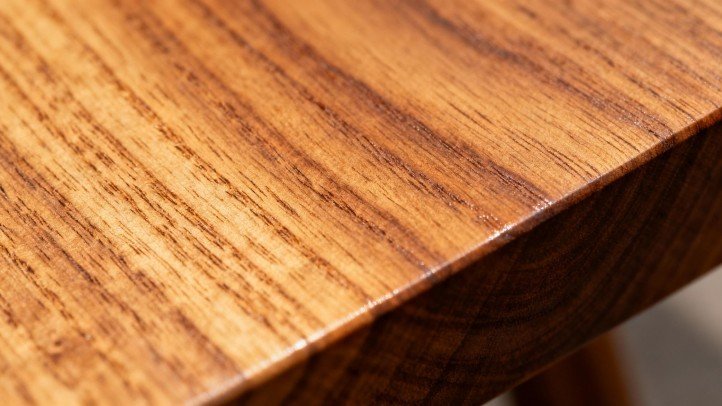
- Prefer the honey-gold color? Use a water-based teak sealer with UV inhibitors; re-coat annually.
- Want high-gloss “yacht” shine? That’s varnish-beautiful but high-maintenance; uncommon for garden furniture.
Pros & Cons at a Glance
| Option | Look | Protection | Upkeep | Best For |
|---|---|---|---|---|
| Natural patina (no coating) | Silver-grey | Teak’s own oils; no UV color hold | Seasonal wash | Minimalists |
| Water-based teak sealer | Natural matte/golden | UV/color hold + light stain resistance | 2 thin starter coats; then annual top-up | Most homeowners |
| “Teak oil” | Rich at first, fades fast | Minimal UV hold; can attract grime/mildew | Frequent re-oiling | Indoor pieces/short-term looks |
| Varnish (film finish) | High-gloss | Strong UV barrier when maintained | Demanding maintenance | Marine trim/enthusiasts |
Many premium outdoor brands caution that regular oiling of exterior teak can encourage surface darkening and mildew; a non-film sealer or leaving wood bare is simpler for most homeowners (Gloster Teak Care). Independent marine tests also tend to find sealers outlast oils on exposed wood (Practical Sailor overview).
Please read this article if you want to learn more about teak finish options.
Routine Cleaning
Goal: keep pores clear and surfaces dry. Do this monthly in season or after pollen/storms. You’ll need: soft/medium nylon brush, warm water, a dash of dish soap, microfiber cloths, a garden hose (gentle), and optional pH-neutral wood cleaner.
Steps:
- Dry dust first. Brush away grit so you don’t rub it into the grain.
- Soapy wash. Mix warm water + a little dish soap.
- Scrub lightly with the grain. Let the bristles do the work.
- Gentle rinse. Avoid blasting water into the fibers.
- Air-dry completely with airflow. Cushions off, covers off till dry.
Avoid pressure washers. They can tear soft springwood, leaving ridges that weather faster. Sticking to brush + soapy water is safer (see manufacturer and garden-care guidance above). Stain fixes:
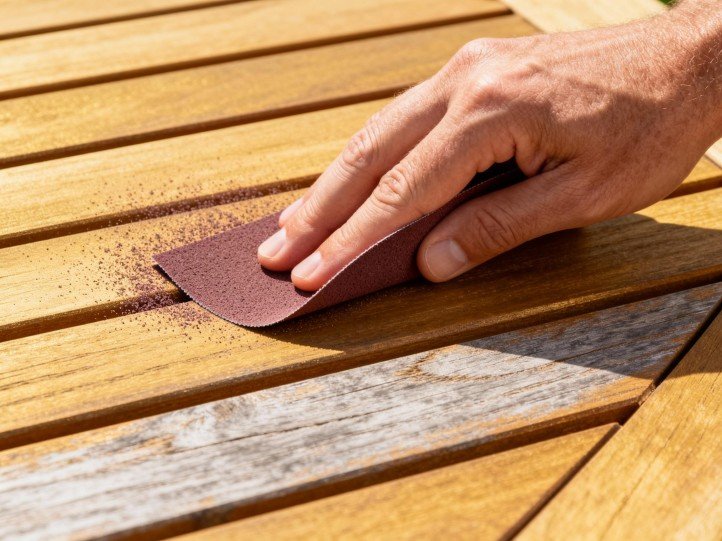
- Grease/wine: Start with soapy water; for stubborn marks, feather-sand with 180-220 grit in the grain.
- Rust rings: Use a teak-safe cleaner (often oxalic acid-based). Rinse thoroughly and neutralize per label.
- Tree sap: Soften with a little mineral spirits on a cloth; follow with soapy water.
Add a quick line to your SOP: “We maintain teak outdoor furniture by cleaning with soapy water first; specialty cleaners only when needed.”
Please read this article if you want to make your own furniture cleaner.
Mold & Mildew
Prevention checklist:
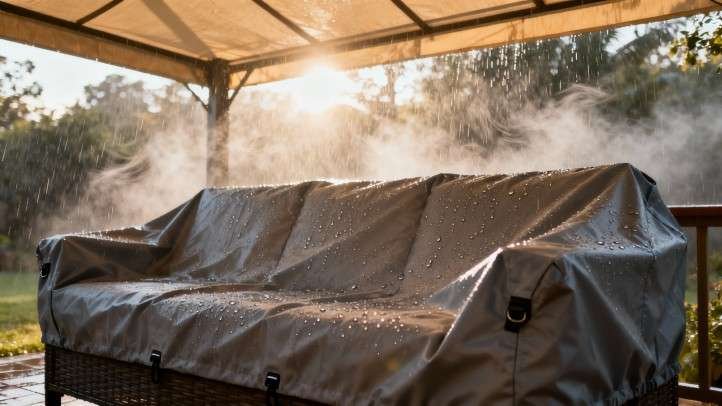
- Choose breathable covers with air vents (avoid plastic tarps).
- Maintain airflow beneath feet-add non-staining glides.
- Wipe spills quickly; store cushions dry.
Safe removal methods (test first):
- Oxygen bleach (sodium percarbonate): Mix per label (often ~½ cup per gallon). Wet surface, scrub lightly, allow short dwell, rinse well, let dry. Plant-friendlier and excellent for organic staining.
- Diluted chlorine bleach (last resort): After a soap wash, apply ½-1 cup of bleach per gallon of water to stubborn growth. Rinse thoroughly; protect adjacent plantings.
- Two-part teak cleaners: Follow PPE/neutralization steps exactly; rinse to clear runoff.
University extension and building-maintenance literature consistently recommend dryness + detergent first, then oxygen bleach, with chlorine bleach reserved for tough cases.
How to Keep the Golden Color?
Most homeowners who want to maintain teak outdoor furniture in its honey-gold tone choose a non-film, water-based teak sealer with UV inhibitors. Read the label for these signals:
- “Water-based,” “UV protection,” “non-film-forming,” “for outdoor teak.”
- Dry time, re-coat the window, and cleanup (water).
Surface prep:
- Wash and rinse thoroughly; let dry 24-48 hours.
- If the furniture was previously oiled, use the brand’s cleaner/de-oiler so the sealer can bond.
- Light scuff sand, fuzzy grain (220 grit); vacuum and tack-wipe.
Application:
- Work in shade between 60-85°F (16-30°C).
- Apply thin coats with a lint-free cloth or foam brush along the grain.
- Wipe off any excess.
- Start with two light coats; allow label-specified dry time.
Re-coat cadence: About once a year in temperate zones; every 6-9 months in coastal/high-UV areas. Expect faster fade on arms and tabletops; spot-refresh as needed.
Video help: A friendly walkthrough of cleaning and resealing an outdoor teak table:
Pro tip: When you maintain teak outdoor furniture with a sealer, keep the film ultra-thin. If it starts to look shiny or tacky, you’re applying too much-wipe back to a matte, natural look.
“Teak Oil” Outside
Oils look gorgeous on day one, but fade fast and can collect grime that feeds mildew. Outdoors, that means more frequent labor and sometimes uneven darkening. If you love the oiled look, consider limiting oil to indoor teak-or accept that you’ll re-oil every few months. Brand care sheets and comparative tests back this up (see Gloster and Practical Sailor links above).
Seasonal Maintenance Checklists
Use these mini-routines to maintain teak outdoor furniture efficiently throughout the year.
Temperate
- Spring: Full wash; inspect joints; remove stains; optional sealer refresh.
- Summer: Monthly light wash; wipe spills; keep airflow.
- Fall: Wash, dry completely, fit breathable covers with vents.
- Winter: Store cushions dry; avoid trapping condensation; keep furniture slightly off damp ground. Reference: BHG-How to Store Outdoor Furniture for Winter
Coastal
- Rinse salt spray regularly; monthly washes.
- Shorten the sealer cycle by a few months due to high UV and salt.
High-UV / Arid
- Dust frequently; shade helps longevity.
- Watch end-grain; top up sealer annually.
Repairs & Refinishing
- Grey but sound: Clean → optional brightener → sealer to hold color going forward.
- Black mildew patches: Oxygen bleach, rinse, dry; light scuff sand if needed; reseal.
- Water or rust rings: Use a teak cleaner (often oxalic acid-based); rinse and neutralize.
- Raised grain or splinters: Feather-sand 180-220 grit with the grain; stop as soon as smooth.
- Loose joints/hardware: Tighten stainless fasteners; replace worn glides to prevent moisture wicking.
Covers, Accessories & Daily Habits That Pay Off
- Breathable covers: Look for vented designs with a soft lining and tie-downs that don’t chafe.
- Foot glides: Non-staining glides lift legs off wet pavers or decks.
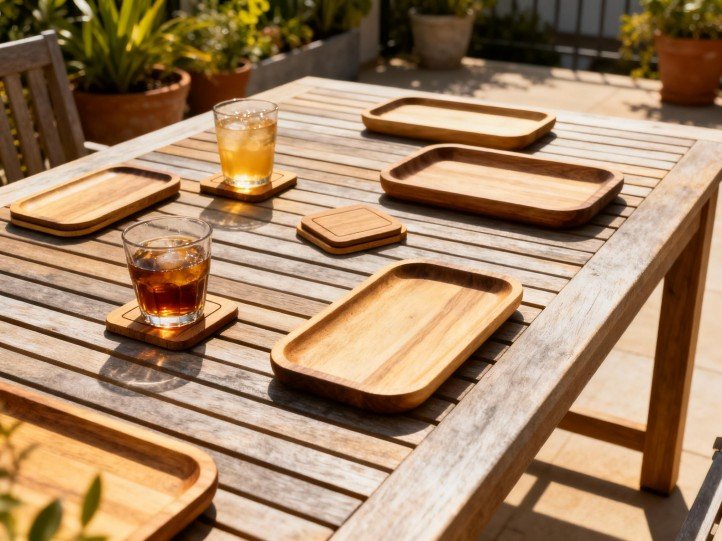
- Trays/coasters: Stop candle wax, wine, or oily foods from marking the tops.
- Quick kit: Keep a soft brush, mild soap, oxygen bleach, microfiber cloths, and 180-220 grit paper ready.
Add a small sign to your warehouse or showroom SOP: To maintain teak outdoor furniture, avoid plastic tarps and high-pressure washing. Choose breathable covers and soft-bristle cleaning only.
At-a-Glance Maintenance Matrix
| Task | Patina Look (no sealer) | Golden Look (with sealer) | Tools/Notes |
|---|---|---|---|
| Dust & wipe | As needed | As needed | Dry brush + microfiber |
| Soapy wash | Monthly in season | Monthly in season | Mild dish soap + nylon brush |
| Mold removal | Oxygen bleach; bleach only if needed | Same | Test first; rinse thoroughly |
| Color hold | N/A | Annual top-up (6-9 mo coastal) | Water-based, non-film sealer |
| Sanding | Spot feather-sand only | Spot feather-sand before reseal | 180-220 grit, with the grain |
| Winter storage | Breathable covers; airflow | Same | Avoid moisture traps |
Conclusion
Choose your look, then keep the routine light. If you like the silver patina, wash with soapy water and enjoy. If you want the golden tone, apply a thin water-based sealer once a year. Either way, you can maintain teak outdoor furniture with minutes, not hours, of effort each season. Remember: gentle cleaning + airflow + (optional) annual sealer = a reliable, professional way to maintain teak outdoor furniture for years. When in doubt, start simple; you can always step up to sealing later to maintain teak outdoor furniture in a like-new appearance.
FAQ (snippet-ready)
Q1: What’s the easiest way to maintain teak outdoor furniture if I like the silver look?
A: Keep it simple: a soft brush, mild soapy water, gentle rinse, and full dry. Skip coatings; airflow and cleanliness are what maintain teak outdoor furniture in patina mode.
Q2: How do I keep the golden color without constant work?
A: Use a water-based teak sealer with UV inhibitors. Two thin starter coats on a clean, dry surface, then a quick annual top-up efficient way to maintain teak outdoor furniture in a honey tone.
Q3: Is pressure washing safe for teak?
A: Not recommended. It lifts surface fibers and accelerates weathering. Stick with soft-bristle scrubbing and low-pressure rinsing.
Q4: How do I remove black mildew spots?
A: Wash with soap first. For persistent patches, use oxygen bleach (sodium percarbonate) per label, rinse thoroughly, and dry. Reserve diluted chlorine bleach for tough cases, protecting plants.
Q5: Should I oil outdoor teak?
A: Usually no. Oils fade fast and can attract grime outdoors. Use a non-film sealer to hold color-or skip coatings altogether if you prefer patina.