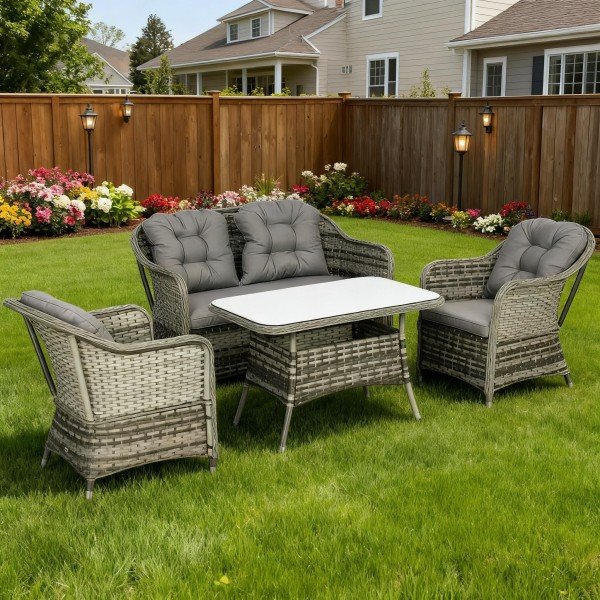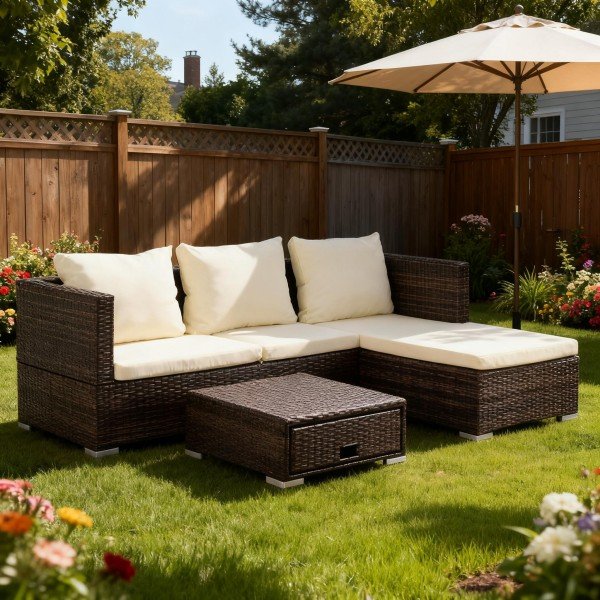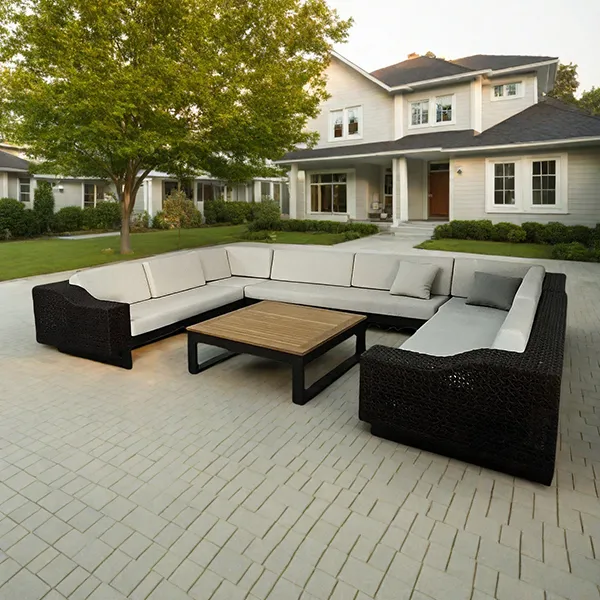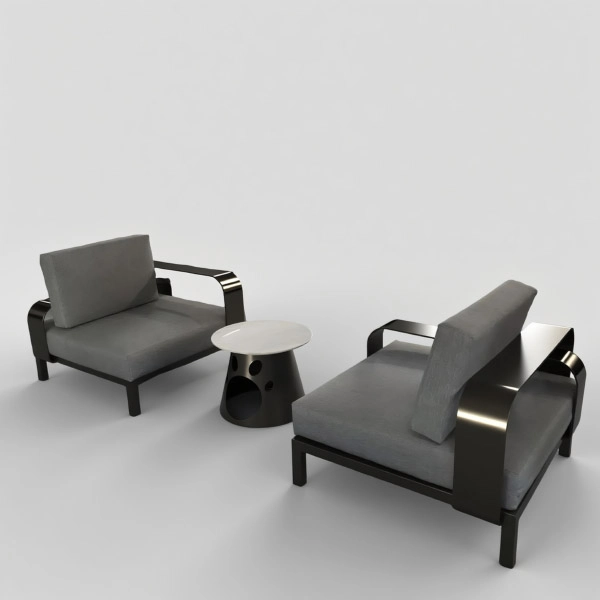
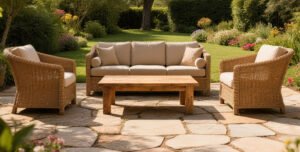
Choosing the right Indoor Outdoor Sofa starts with what you need. Most people care more about durability and practicality than style. About 68 percent pick outdoor furniture for these reasons. You want a sofa that feels good and fits your space. It should also last through daily use. Look at how long different sofas last:
| Sofa Type | Average Lifespan |
|---|---|
| Outdoor Sofa | 3-8 years |
| Fabric Sofa | 5-10 years |
| Leather Sofa | 8-15 years |
| Solid Wood Sofa | 10-20 years |
Think about your needs and space before shopping. Try to balance easy care and weather resistance. Pick colors and designs you like.
Key Takeaways
- Measure your space carefully before you shop. This stops you from getting a sofa that is too big or too small.
- Pick materials that can handle bad weather. Try all-weather wicker or powder-coated aluminum because they last longer.
- Get cushions that are at least 4 inches thick. Test them in the store to make sure they feel good and give support.
- Plan where your sofa will go to make the space nice. Leave at least two feet around your sofa so people can walk easily.
- Taking care of your sofa helps it last longer. Clean it often and put it away when the weather is bad.
Assess Your Space
Before you fall in love with a sofa, you need to know if it will actually fit your space. Let’s break down how you can make sure your new Indoor Outdoor Sofa works perfectly in your home.
Measure Area
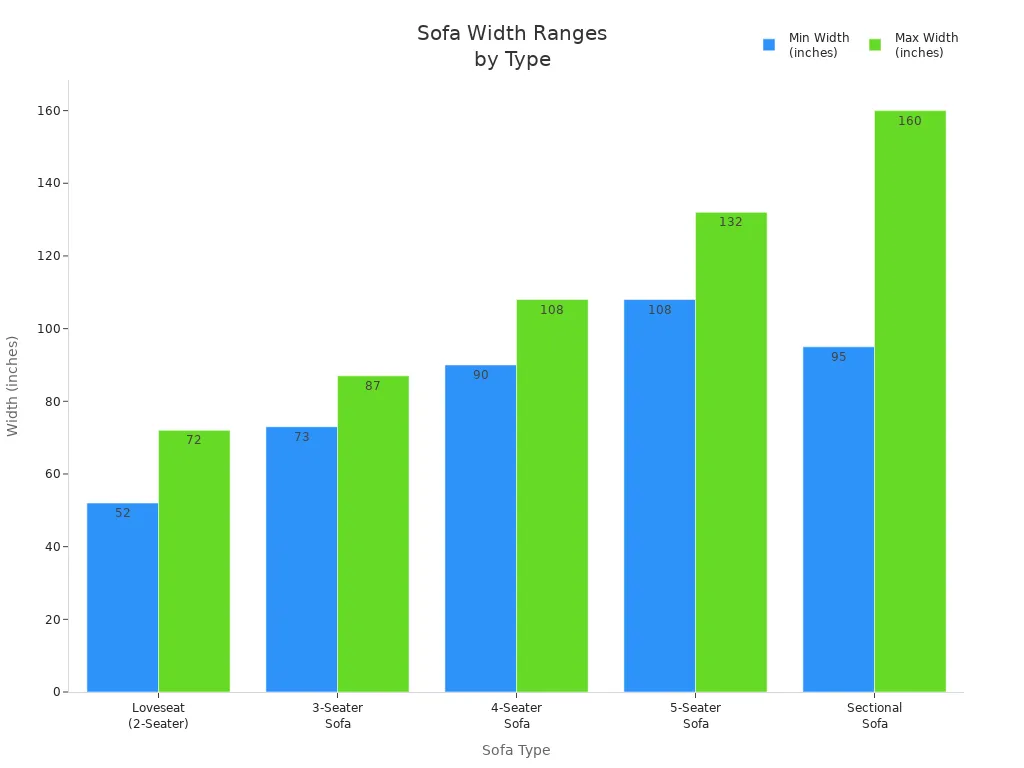
Start with a tape measure. Measure the length and width of the area where you want to place your sofa. Don’t just guess, write down the numbers. This step helps you avoid buying a sofa that’s too big or too small. Here’s a quick guide to standard sofa sizes:
| Sofa Type | Width (Length) | Depth | Height | Seat Height | Seat Depth |
|---|---|---|---|---|---|
| Loveseat (2-Seater) | 52-72 in (132-183 cm) | 34-40 in (86-102 cm) | 30-35 in (76-89 cm) | 17-20 in (43-51 cm) | 20-24 in (51-61 cm) |
| 3-Seater Sofa | 73-87 in (185-221 cm) | 34-40 in (86-102 cm) | 30-36 in (76-91 cm) | 17-20 in (43-51 cm) | 22-28 in (56-71 cm) |
| 4-Seater Sofa | 90-108 in (229-274 cm) | 36-40 in (91-102 cm) | 30-36 in (76-91 cm) | 17-20 in (43-51 cm) | 22-28 in (56-71 cm) |
| 5-Seater Sofa | 108-132 in (274-335 cm) | 36-40 in (91-102 cm) | 30-36 in (76-91 cm) | 17-20 in (43-51 cm) | 22-28 in (56-71 cm) |
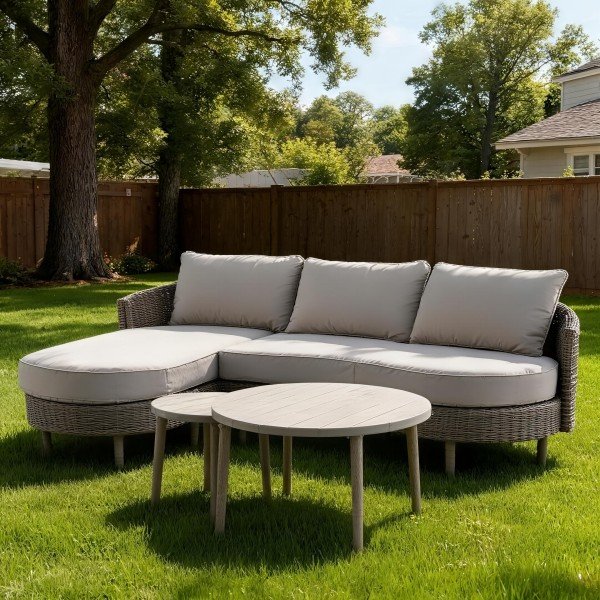
| Sectional Sofa | 95-160+ in (241-406+ cm) | 36-40 in (91-102 cm) | 30-36 in (76-91 cm) | 17-20 in (43-51 cm) | 22-28 in (56-71 cm) |
Plan Layout
Once you know your measurements, it’s time to plan your layout. You want your space to feel open and inviting, not crowded. Try these tips:
- Define zones for different activities, like lounging or dining.
- Use multi-functional furniture to save space.
- Add vertical elements, such as shelves or tall plants, to keep things organized without cluttering the floor.
- Make sure your main paths of travel are clear and wide enough for comfort.
You can also use digital tools like Floorplanner or Roomsketcher to see how your sofa will look before you move anything. Drawing out your space on paper works too. If you have a multi-use area, create separate zones for each activity. This makes your space feel bigger and more useful.
| Method/Tool | Description |
|---|---|
| Digital Tools | Visualize arrangements before moving furniture. |
| Drawing Paths of Travel | Identify movement paths to optimize space. |
| Defining Zones | Create areas for different activities. |
| Furniture Arrangement | Position pieces to maximize space and comfort. |
| Rules of Thumb | Keep three feet of width for main walkways. |
Walkway Space
Don’t forget about walkways! You need enough room to move around your sofa without bumping into things. For comfortable movement, leave at least two feet of space around your sofa and other furniture. If you have a main path through the room, try to keep it even wider; about three feet is ideal. This small detail makes your space feel open and easy to use. Tip: Always double-check your measurements before you buy. It’s much easier to adjust your plan now than to return a sofa later!
Indoor Outdoor Sofa Materials
Image Source: pexels
When you pick an Indoor Outdoor Sofa, the materials are very important. The right materials help your sofa look nice and feel good for a long time. You should learn about frames, cushions, and how well they handle weather.
Frame Options
The frame needs to handle sun, rain, and lots of use. Some frames last longer and need less work. Here are some strong frame choices for an Indoor Outdoor Sofa:
- All-weather wicker is made from synthetic fibers like polyethylene. This material does not fade or stain easily. It also fights off mildew and moisture. You can leave it outside without worry.
- Powder-coated aluminum does not rust or let water in. It is light but strong. You can move your sofa without much trouble.
- Resin frames do not rust or rot. They are simple to clean and last in all kinds of weather.
- Outdoor-grade olefin fabrics give extra protection. These fabrics stop stains, mildew, and sun damage better than regular fabrics.
You should also check the hardware. Stainless steel and aluminum fasteners do not rust or corrode. Good construction helps your Indoor Outdoor Sofa last longer and keep its shape. Here’s a table that compares popular frame materials:
| Material | Weather Resistance | Maintenance Requirements |
|---|---|---|
| Wood | Not weather-resistant, prone to rot and insects | High maintenance, requires regular upkeep |
| Metal | Weather-resistant, fire, insect, and rot-resistant | Low maintenance, but needs to be anchored and protected from rust |
| Resin | Weather-resistant, won’t rust or rot | Very low maintenance, easy to clean, and durable |
Tip: For a sofa that lasts, pick corrosion-resistant hardware and strong construction. These features help your furniture survive bad weather and lots of use.
Cushion Types
Cushions make your Indoor Outdoor Sofa soft and cozy. They also need to handle rain, sun, and spills. Not all cushions are the same. Some fight mold, mildew, and fading better than others.
- Solution-dyed acrylic cushions block UV rays and keep water away. They stay bright and fresh, even in sunlight.
- Solution-dyed polyester cushions give good UV protection and cost less. They are a good choice if you want to save money.
- Olefin or polypropylene cushions are light, strong, and fight stains, mold, and mildew.
Look at this table to see how these cushion materials compare:
| Material | UV Resistance | Mold/Mildew Resistance | Water Resistance |
|---|---|---|---|
| Solution-Dyed Acrylic | Excellent | High | Excellent |
| Solution-Dyed Polyester | Good | Moderate | Varies |
| Olefin/Polypropylene | Good | High | Good |
Quick-dry foam is another smart pick. It has open cells that let water drain out fast. This keeps cushions dry and comfy, even after rain. Regular foam holds water and can grow mold. Quick-dry foam dries fast and lasts longer. Reticulated foam cushions also fight germs, so they are good for wet places. Note: If you want cushions that stay fresh and comfy, choose quick-dry foam or reticulated foam. These types help stop mold and mildew.
Weather Resistance
Weather resistance is very important for any Indoor Outdoor Sofa. You want materials and treatments that protect against sun, rain, and spills. Many sofas use marine-grade fabrics with UV-stable colors. These fabrics do not fade, get wet, or stain easily. They also dry fast, so you do not have to worry about wet cushions. Some sofas use Crypton fabric protection. This treatment keeps spills and stains from soaking in. Liquids stay on top until you wipe them away. Crypton also stops smells, mildew, and bacteria. The protection lasts as long as the fabric, so your sofa stays clean and fresh. Here’s a table of common weather-resistant treatments:
| Treatment Type | Key Features | Benefits |
|---|---|---|
| Marine-grade fabrics | 100% solution-dyed acrylic, built-in UV protection, water and stain resistance | Exceptional durability against sun, rain, and humidity; long-lasting appearance and performance |
| Crypton fabric protection | Impervious to spills and stains, resists odors and mildew | Easy to clean, long-lasting protection against tough stains, suitable for high-traffic areas |
- Marine-grade fabrics use UV-stable colors to stop fading. They have coatings to keep out water, mold, and mildew. They dry quickly, which is great for outdoor use.
- Crypton fabric protection keeps out spills, stains, smells, and mildew. Cleaning tough stains is much easier.
If you pick an Indoor Outdoor Sofa with these features, your furniture will handle the weather and keep looking nice.
Comfort & Style
When you pick an Indoor Outdoor Sofa, you want it to feel as good as it looks. Comfort and style go hand in hand. Let’s break down what matters most.
Cushion Comfort
You spend a lot of time sitting on your sofa, so the cushions need to feel just right. Thick, plush cushions make a huge difference. Ergonomics experts suggest you look for cushions that are between 4 and 6 inches thick for couches and armchairs. This thickness gives you the best mix of comfort and support. If you choose thinner cushions, you might feel the frame underneath or get sore after a while.
- Cushions should be at least 4 inches thick for daily comfort.
- Go up to 6 inches for a softer, more luxurious feel.
- Quick-dry foam keeps cushions comfy and fresh, even after rain.
Tip: Test the cushions before you buy. Sit down and see how they feel. If you sink in too much or feel the frame, try a thicker option.
Modularity
Spaces change all the time. Maybe you host a big party one weekend and want a cozy reading nook the next. Modular sofas give you the power to adapt. You can move the pieces around, add more seats, or make a new shape whenever you want. “Reconfigure your modular sofa as needs change. Expand for gatherings, rearrange for more space, or adapt to a new home.” Here’s a quick look at why modular sofas are so flexible:
| Benefit | Description |
|---|---|
| Adaptability | Modular furniture can be easily reorganized to fit changing needs, whether for more guests or different space requirements. |
- You can reconfigure modular sofas as your needs change.
- Expand them for parties or rearrange for more open space.
- They fit easily into new homes or different rooms.
If you move often or like to change your space, modular designs make life easier. You get more value and flexibility from your furniture.
Color & Design
Style matters just as much as comfort. You want your sofa to match your taste and fit in with the rest of your home. Over the past few years, two big color trends have stood out:
| Trend Type | Description |
|---|---|
| Bold Colors | Vibrant shades like powder blue and orange-red are used in small decorative items for vibrancy. |
| Natural Tones | Sandy white, warm brown, cream, and neutral shades dominate larger furniture for versatility. |
Natural tones like sandy white, cream, and warm brown work well for big pieces. They blend with almost any decor and never go out of style. If you want to add some fun, try bold colors like powder blue or orange-red in your pillows or throws. This way, you get a pop of color without overwhelming the room. Note: Pick a color and design that you love. Your sofa should make you happy every time you see it. When you choose the right mix of comfort, flexibility, and style, your Indoor Outdoor Sofa becomes the best seat in the house.
Maintenance
Cleaning Tips
Keeping your indoor outdoor sofa clean helps it last longer and look great. You should brush off loose dirt every week. Use a vacuum with an upholstery attachment once a month to remove dust and crumbs. For stains, act fast. Spot clean with a mild soap and water mix, blotting gently with a clean cloth. If you see mildew, try a vinegar-water solution, but always test it on a hidden spot first. Here’s a handy table for the best cleaning methods:
| Cleaning Method | Description |
|---|---|
| Spot cleaning | Dab stains with a mild cleaner and a soft cloth. |
| General cleaning | Scrub fabric with a soft brush and soapy water. |
| Rinse thoroughly | Wash away soap with clean water to prevent residue. |
| Air drying | Let cushions dry in the air, but keep them out of direct sunlight. |
| Regular brushing | Use a soft brush to remove dirt before it settles. |
| Mild soap and water | Safe for most fabrics and easy to rinse. |
| Avoid harsh chemicals | Skip bleach and strong cleaners to protect fabric colors. |
| UV protection | Spray on fabric protectors to block sun damage. |
| Professional cleaning | Call in experts for tough stains or deep cleaning. |
Tip: After cleaning, let your cushions dry completely before putting them back. This step helps stop mold and mildew.
Storage
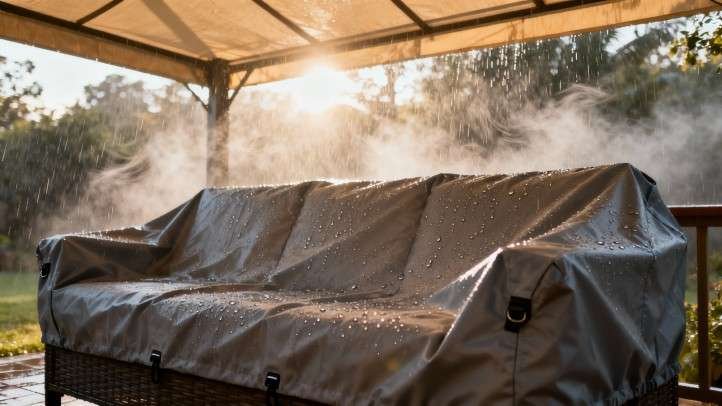
Proper storage keeps your sofa looking new for years. Before storing, clean your furniture well to prevent mold and odors. Use waterproof, breathable covers to shield your sofa from rain, dust, and sun. If you have space, store your sofa in a dry garage or shed during the off-season. Outdoor sheds work too, as long as they keep out moisture.
- Clean furniture before storage.
- Use weather-resistant covers.
- Store indoors or in a dry shed if possible.
Storing your sofa right protects the frame, cushions, and fabric from damage. You save money by avoiding repairs and replacements.
Longevity
Regular care makes a big difference in how long your sofa lasts. High-quality indoor outdoor sofas can last 15 to 25 years with good maintenance. Sofas with little care may only last 7 to 15 years. Simple habits like brushing off dirt, cleaning stains quickly, and storing your sofa during harsh weather help keep it in top shape.
| Maintenance Level | Average Lifespan |
|---|---|
| Regular Maintenance | 15 to 25 years or more |
| Minimal Care | 7 to 15 years |
Take care of your sofa, and it will reward you with comfort and style for many years.
Mistakes to Avoid
Wrong Size
You might love a sofa online, but if it doesn’t fit your space, it quickly becomes a headache. Many people skip measuring or forget to check how much room they need for walkways. If your sofa is too big, your room feels cramped. If it’s too small, the space looks empty and awkward. Always measure your area and compare it to the sofa’s dimensions. Leave enough space for people to walk around comfortably. A good rule is to keep at least two feet of clearance on all sides. This simple step saves you from returns and frustration. Tip: Use painter’s tape to outline the sofa’s footprint on your floor. This trick helps you see exactly how much space it will take up.
Ignoring Maintenance
Skipping regular care is one of the biggest mistakes you can make. Weather, dirt, and spills can wear down your sofa fast. If you don’t clean and store your furniture properly, you risk fading, cracking, and even mold. Here’s what can happen if you ignore maintenance:
- Fading, corrosion, and damage that may require costly repairs or replacements.
- Mold and mildew growth can weaken the structure and ruin the look.
- Upholstery that fades and weakens from constant sun and rain.
- Loss of warranty coverage if you don’t follow care instructions.
- Structural weakening and a big drop in comfort and appearance.
Most warranties won’t cover damage from neglect. You need to clean your sofa regularly, store it in a dry place during the off-season, and remove cushions when not in use. These habits help your sofa last longer and keep it looking great.
Overlooking Comfort
Comfort matters just as much as style or durability. Some people pick a sofa that looks good but feels stiff or rough. You want cushions that support your head, neck, and back. Look for plush, thick cushions and ergonomic designs that fit your body’s curves.
| Characteristic | Description |
|---|---|
| Design and Structure | Curved backrests and contoured seats support your body’s natural shape. |
| Cushioning and Support | Thick, plush cushions with lumbar support help you sit comfortably and maintain good posture. |
“…except for the fabric, which isn’t as soft as what you’d find inside, it feels like sitting on an indoor couch – a well-made one, too.” If you ignore comfort, you might end up with a sofa that looks nice but isn’t fun to use. Always test the cushions and check for ergonomic features before you buy. Your body will thank you every time you sit down.
Picking the right indoor outdoor sofa means you need to think about what is most important to you. You should care about how long it lasts, how comfy it is, if it fits, and if you like how it looks. Experts say you should make a checklist before you shop:
- Measure your space so you know what will fit. Plan where you want to put the sofa.
- Think about how you will use the sofa. Will you have friends over or just relax?
- Choose materials that can handle the weather. Pick cushions that are easy to clean.
- Decide how much money you want to spend. Check if the sofa has a warranty.
- Choose a style and color that makes you happy.
“Always ask yourself: What is this made of before you buy outdoor furniture?” Don’t forget, things like space, how you use the sofa, and how easy it is to take care of are just as important as what you like. If you find the right mix, you will enjoy your sofa for a long time!
FAQ
How do I protect my indoor outdoor sofa from sun damage?
You can use UV-protective sprays on the fabric. Place your sofa in a shaded spot or use an outdoor cover when not in use. Rotate cushions often to keep colors even.
Can I leave my indoor outdoor sofa outside all year?
You can, but it’s best to cover it or move it indoors during harsh weather. This helps prevent fading, mold, and rust. Regular care keeps your sofa looking new.
What’s the best way to clean outdoor sofa cushions?
Remove loose dirt with a brush or vacuum. Spot clean stains with mild soap and water. Let cushions air dry completely before using them again. Avoid bleach or harsh cleaners.
How do I know if a sofa is truly weather-resistant?
Check the product label for terms like “UV-resistant,” “waterproof,” or “marine-grade fabric.” Ask about the frame and hardware. Stainless steel or powder-coated aluminum means better weather protection.
Can I use indoor cushions on my outdoor sofa?
Indoor cushions don’t handle moisture or sun well. They can fade, grow mold, or break down fast. Always choose cushions made for outdoor use. They last longer and stay fresh.