
Why Does Outdoor Furniture Need to Be Covered Matter
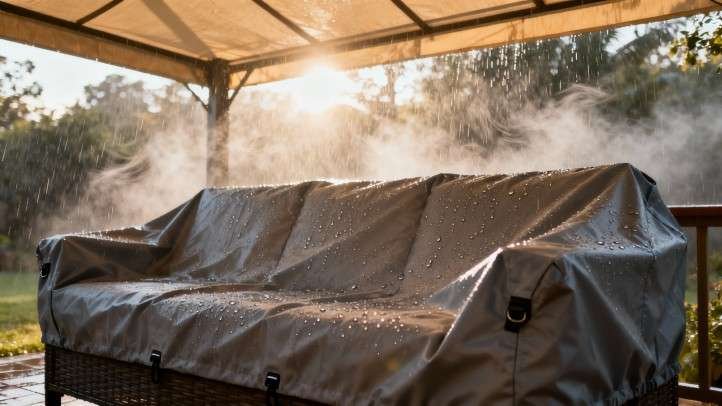
Short answer: Yes-most outdoor furniture benefits from covers in rainy/snowy or high-UV regions. Exceptions exist: oiled teak and high-grade powder-coated aluminum can be left uncovered short-term in fair, dry weather, but cushions and natural fibers should be covered or stored when not in use. A breathable, well-fitted cover cuts UV exposure, moisture problems, and salt-air corrosion, which typically extends service life and keeps sets looking “new” longer.
Happy Rattan insight: From our field audits, the two biggest lifespan killers are unvented tarps (trap humidity → mildew) and skipping covers in shoulder seasons (repeated wet/dry cycles). Vented, shaped covers with secure tie-downs win the longevity game.
Material × Climate decision table
How to use this table: Find your furniture material down the left and your climate across the top. The cell gives a quick call plus the top caution.
| Material ↓ / Climate → | Rainy / Snowy | High-UV / Desert | Coastal Salt Air | Temperate / Mild |
|---|---|---|---|---|
| Teak (oiled hardwood) | Cover seasonally; wipe/dry after storms. | Optional short-term uncovered; expect patina. | Cover (salt film + hardware care). Rinse periodically. | Optional; cover in long wet spells. |
| Powder-coated aluminum | Cover in prolonged rain/snow; elevate for drainage. | Optional: cover to reduce long-term UV chalking. | Cover or rinse often; prefer AAMA 2604/2605 finishes. | Optional: cover off-season. |
| PE rattan / all-weather wicker | Cover; avoid water pooling on flat weaves. | Cover to reduce UV fade; pair with solution-dyed cushions. | Cover: Salt can embrittle plastics over time. | Cover when idle; optional on covered patios. |
| Steel/iron | Cover: moisture + freeze-thaw = rust risk. | Cover to limit thermal cycling on coatings. | Cover (aggressive environment). Inspect chips promptly. | Cover off-season. |
| Concrete/ceramic / stone | Cover seasonally to avoid stains/efflorescence; raise feet. | Optional: Shade reduces heat shock. | Cover metal inserts/hardware. | Optional: sealers help. |
| Outdoor fabrics & cushions | Cover or store; dry fast to prevent mildew. | Cover to limit UV fade. | Cover/store; humidity + salt encourage mildew. | Cover/store when idle. |
Useful context: UV exposure is measured by the UV Index (EPA) (1-11+). The higher your seasonal UV, the more a cover helps with fading and finish chalking.
Do you need covers by material?
Teak (hardwood)
Teak’s natural oils give strong rot resistance. In dry, mild weather, leaving teak uncovered short-term is fine; it will weather to a silver-gray. During rainy/snowy stretches, cover or move to shelter to minimize checking and water staining. Keep cushions separate and dry. For a data-backed wood overview, see Teak – The Wood Database.
Happy Rattan insight: Want to keep the honey tone? Use a breathable teak sealer (thin, penetrating finishes)-but still deploy a breathable cover in long wet spells.
[For more information, please read: Winterizing Your Patio Set]
Powder-coated aluminum
Aluminum won’t rust, but the finish longevity depends on the powder-coat class and the environment. In coastal zones, salt spray is aggressive; we recommend finishes compliant with AAMA 2604 or AAMA 2605. Covers reduce UV chalking and contamination between cleanings. For care intervals in harsh environments, see Interpon Powder Coatings – Care & Maintenance (PDF).
Happy Rattan insight: On seafront decks, we spec higher-grade powders and a simple fresh-water rinse cadence (often weekly in peak salt mist), then cover once dry.
PE rattan / all-weather wicker
Synthetic wicker (polyethylene) is durable, but UV and thermal cycling age strands over time. Use covers in high-UV months and avoid taut, non-breathable tarps that trap heat. Store cushions separately in wet weather.
Happy Rattan insight: Flat weaves tend to puddle. Add a small center tent-pole under the cover to create slope and offload water so strands aren’t stressed.
Steel/iron
Strong but corrosion-prone when coatings chip. Cover reliably in wet or freezing conditions; in coastal air, combine protective coating, covers, and a rinse routine.
Concrete/ceramic / stone
The sun is fine; staining and efflorescence are the risks. Covers curb leaf tannins, bird droppings, and freeze-thaw micro-cracking. Choose breathable covers; avoid trapping standing water at the base.
Outdoor fabrics & cushions
Cushions are the first to suffer from moisture + warmth → mildew. Store them dry, or use vented covers and quick-dry inners (reticulated foam). The EPA stresses moisture control-see EPA: Brief Guide to Mold & Moisture (dry items within 24-48 hours). For foam choices, see Sailrite: Outdoor Cushion Foam Guide.
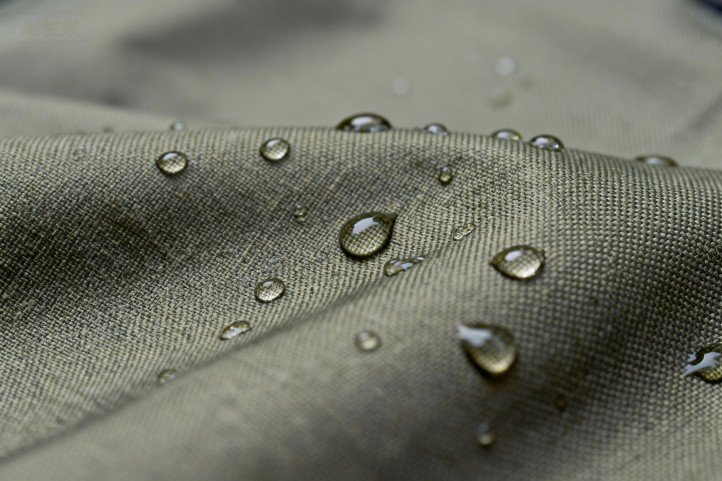
Happy Rattan insight: Solution-dyed fabrics + quick-dry foams dramatically reduce “wet cushion” days. We still cover-just with vents to keep air moving.
Do you need covers by climate & season?
Rainy/snowy regions
Moisture is enemy #1 for coatings, fasteners, and fabrics. Choose breathable covers with taped seams and vents; elevate surfaces slightly to prevent puddles and freeze-thaw stress. Dry cushions before storage. Guidance on moisture/mold prevention: EPA mold & moisture guide.
High-UV / desert sun
The sun is relentless. Covers reduce UV hours on finishes and fabrics; the EPA UV Index helps you anticipate seasonal intensity. Shade structures are a strong complement.

Coastal salt air
Chloride-rich mist accelerates corrosion. Rinse frames with fresh water, favor higher-class powder coats (see AAMA 2604 / AAMA 2605), then cover once dry to reduce salt deposition between cleanings.
Temperate/mild climates
You can be selective: cover in long wet spells and for off-season storage. Prioritize cushions and any natural fibers.
“Every night” vs seasonal
Nightly covering makes sense for cushions in dew-prone areas or during unsettled weather. For frames, a targeted seasonal strategy (storms, winter, long trips) balances convenience with longevity.
Don’t like covers?
- Pergolas/awnings / hard tops: Cut UV and rainfall; still protect cushions separately.
- Quick-dry cushions (reticulated foam): Open-cell structure drains fast; see Sailrite foam guide.
- Storage boxes: Keep cushions dry and aired; add desiccant packs in wet seasons.
- Protective treatments: Fabric guards and periodic finish cleaning/inspection extend time between big maintenance cycles; see Interpon care & maintenance.

Happy Rattan insight: On exposed decks, we pair vented covers + quick-dry foam. You get the best of both worlds-less UV, fast drying, and airflow under the cover.
How to choose the right cover
Fabric & coatings. Look for solution-dyed polyester or acrylic with UV inhibitors. For true waterproof ratings, a “hydrostatic head” test is standard: ISO 811:2018 (also adopted regionally as EN 20811). Balance waterproofness with breathability via vents or air-gap design.
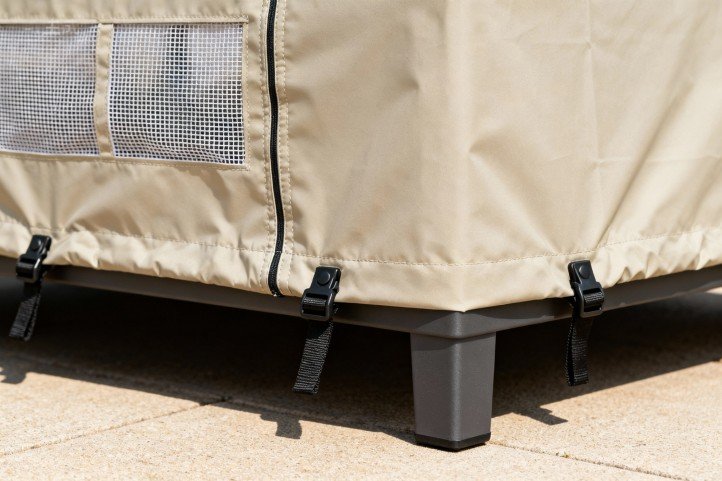
Seams & hardware. Taped seams, lock-stitching, and corrosion-resistant buckles/tie-downs matter. Elastic hems are helpful, but under-leg straps are what keep covers on in the wind.
Fit & patterning. Avoid one-sheet tarps. Shaped covers with a slight pitch prevent water pooling (use a center pole or spare cushion to create a slope).
Wind security & drainage. Cross-strap underneath; maintain a small hem gap for airflow and to avoid wicking from the ground.
Step-by-step
- Map the footprint – Measure width × depth at the widest points (arm-to-arm; front leg to back).
- Confirm height – Ground to the highest point (many covers intentionally stop short for airflow).
- Allowance – Add 1-2 in (2-5 cm) ease so the cover goes on and off easily.
- Secure – Buckles to legs, hem cords snug, add at least one under-leg tie.
- Create runoff – Place a lightweight prop under the center to make a tent-like slope.
- After rain – Shake off pooled water; allow brief airing before re-covering.
Helpful how-tos (video + guides):
Do covers really pay off?
What covers do: reduce UV hours on fabrics/finishes, minimize wet cycles, block salt/dirt, lower cleaning frequency, and keep cushions fresher. Over 2-5 years, that typically means slower fading, fewer touch-ups, and better resale appeal. Happy Rattan insight: Side-by-side installs (same material, similar use) consistently show the covered set looks about a full season “newer” by year two-fewer wet/dry cycles and fewer UV minutes.
Evidence anchors you can cite internally:
- EPA UV Index basics for seasonal UV context.
- EPA: Moisture control = mold control for cushion/fabric care.
- FGIA AAMA 2604 and AAMA 2605 for powder-coat performance classes.
- Salt-spray test (ASTM B117) overview for corrosion test context (industrial reference point).
Simple ROI comparison
| Strategy | Upfront cost | Seasonal effort | 2-5 year outcome |
|---|---|---|---|
| Cover year-round | Medium (covers) | Moderate (on/off; secure) | Best appearance retention; fewer cleanings; slower fade/chalk; cushions last longer |
| Cover seasonally (storms/winter) | Low-Medium | Low-Moderate | Good retention; occasional extra cleaning; cushions still protected in the worst months |
| Skip covers + extra maintenance | Low | Higher cleaning/repairs | Faster fading/chalking; more mildew risk; likely higher long-term costs |
[For more information, please read: Outdoor Furniture Maintenance Schedule]
Common mistakes to avoid
- Tarping tight with zero vents → condensation and mildew. Choose vented, breathable covers. See EPA guidance on moisture.
- Water pooling on flat covers → fabric stress and stains. Add slope supports (center tent-pole).
- Skipping rinses in coastal zones → salt buildup under the cover. Clean, then cover; see Interpon maintenance.
- Undersized covers → seam stress and tears. Add 1-2 in ease.
- Ignoring fasteners → wind loss. Always tie down underneath.
- Treating cushions as “weatherproof” → they still absorb water; prefer quick-dry foam and store when soaked (see Sailrite foam guide).
Smart shopping & bundle picks
- Balcony set (2 chairs + bistro table): Two chair covers + small table cover; storage box for cushions.
- Sectional + coffee table: Modular sectional covers with shared under-leg tie points + center pole; separate low-table cover.
- Coastal deck: AAMA 2604/2605-grade aluminum frames, vented covers, weekly rinse schedule, stainless hardware kit.
- Full-sun courtyard: Covers + solution-dyed cushions; add shade sail or pergola to cut midday UV.
[For more information, please read: Rattan Patio Sets]
Transparency note: Always follow the maker’s care guides for powder coats and fabrics; coastal or industrial microclimates may require more frequent cleaning.
When to cover, when you can skip
- Cover cushions and natural fibers whenever you’re not using them.
- Frames: cover in rain/snow, high-UV summers, and coastal zones; optional in mild, dry weather-especially for teak and powder-coated aluminum-but expect faster aging if left out.
- Choose breathable, shaped covers with vents and tie-downs.
- Pair with quick-dry foams and a simple rinse routine where relevant.
FAQ
Q1: Do I need to cover outdoor furniture in winter?
A: Yes, in snowy or rainy winters. Covers prevent repeated wet-freeze cycles on frames and keep cushions dry (store cushions separately). Pick vented covers and add a center “tent” for runoff. See EPA moisture guidance.
Q2: Should I cover patio furniture every night?
A: For frames, not always. For cushions in dew-prone areas-yes (or store them). Nightly dew keeps fabric damp and encourages mildew. Quick-dry foam helps, but doesn’t eliminate moisture.
Q3: Is it OK to leave teak or aluminum furniture uncovered?
A: Short-term in mild, dry weather: usually fine. Teak will gray; aluminum resists rust but still benefits from covers in coastal/high-UV regions. See Teak – Wood Database and AAMA 2604/2605.
Q4: What makes a good outdoor furniture cover breathable or fully waterproof?
A: Both waterproof fabrics with vents are ideal. Look for solution-dyed fabrics with tested hydrostatic head per ISO 811:2018 and integrated venting to avoid condensation.
Q5: How do I prevent mold on outdoor cushions?
A: Keep them dry and airy: use vented covers, store cushions during wet spells, and dry within 24-48 hours after soaking. Prefer quick-dry (reticulated) foam-see Sailrite’s guide.