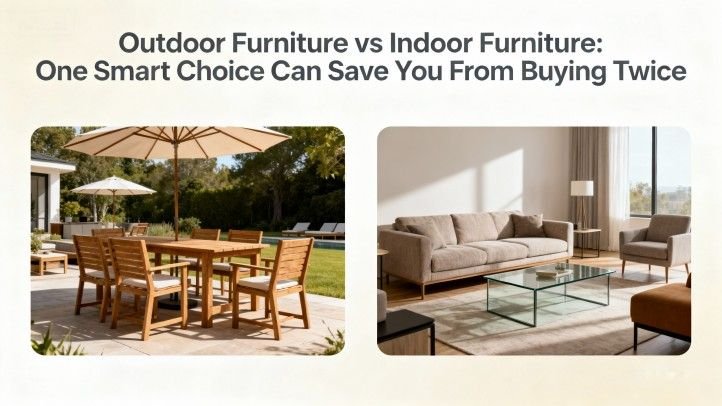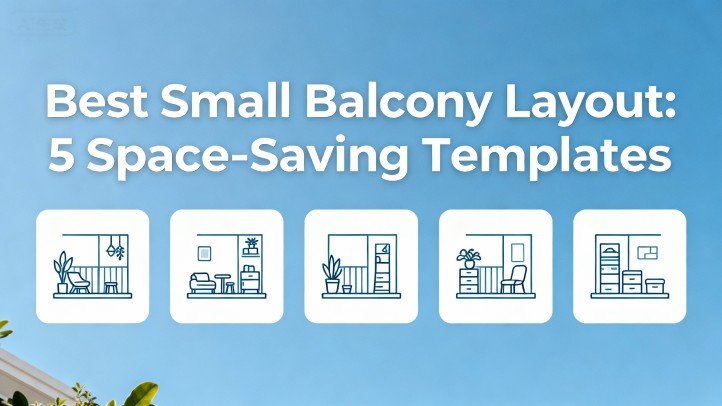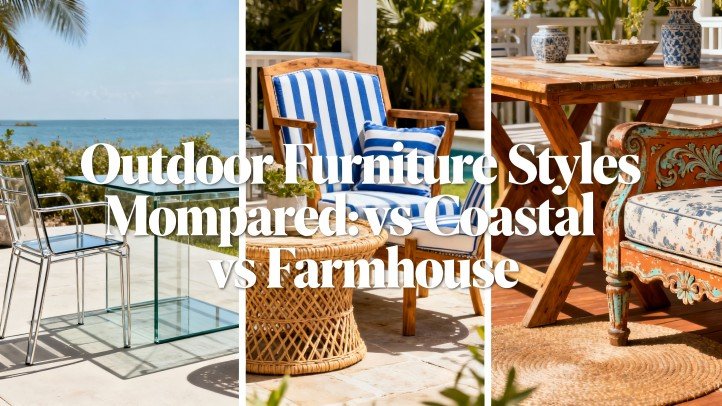

You might wonder if you can use patio furniture indoors. The answer is yes! Many people love the idea of patio furniture in living room spaces because it can bring a fresh, cozy vibe. You get a chance to show off your style and try something different. Before you make the switch, think about comfort, how the pieces fit with your decor, and if they meet your daily needs.
Key Takeaways
- Patio furniture can make your home feel new and comfy. It lets you show your style and make your space special.
- Pick light materials like aluminum, marine-grade polymer, and wicker for the inside. These are easy to move and match many types of decor.
- Patio furniture is strong and saves money. It often lasts longer than normal indoor furniture, so you spend less over time.
- Being comfortable is important. Choose patio pieces with thick cushions and good designs to make sitting inside better.
- Keep your floors safe by putting felt pads or rugs under heavy patio furniture. This stops scratches and keeps your home looking good.
Can You Use Patio Furniture Indoors?
Why People Try It
Sometimes you look at your patio set and think about using it inside. Many people do this because they want something new. Patio furniture usually feels light and open. It can help a room feel calm and easygoing. Some people want to bring a bit of nature indoors. Maybe you have a sunroom or a spot that needs a new style. Using patio furniture in living rooms can help you make a space look special and different from normal choices.
Some people pick patio furniture for smart reasons. You might have extra pieces after changing your backyard. Or maybe you want furniture that is simple to clean and move. Patio chairs and tables are often strong, so you get more for your money.
Immediate Upsides and Downsides
Before you bring your patio set inside, you should think about the good and bad sides. Patio furniture is made from many materials. Some are good for indoors, but others are not. Here is a quick table that shows common materials and how they work inside your home:
| Material | Suitability for Indoor Use | Characteristics |
|---|---|---|
| Aluminum | Suitable | Lightweight, durable, and rust-resistant. |
| Marine Grade Polymer | Suitable | Lightweight, stackable, moisture-resistant, and colorfast. |
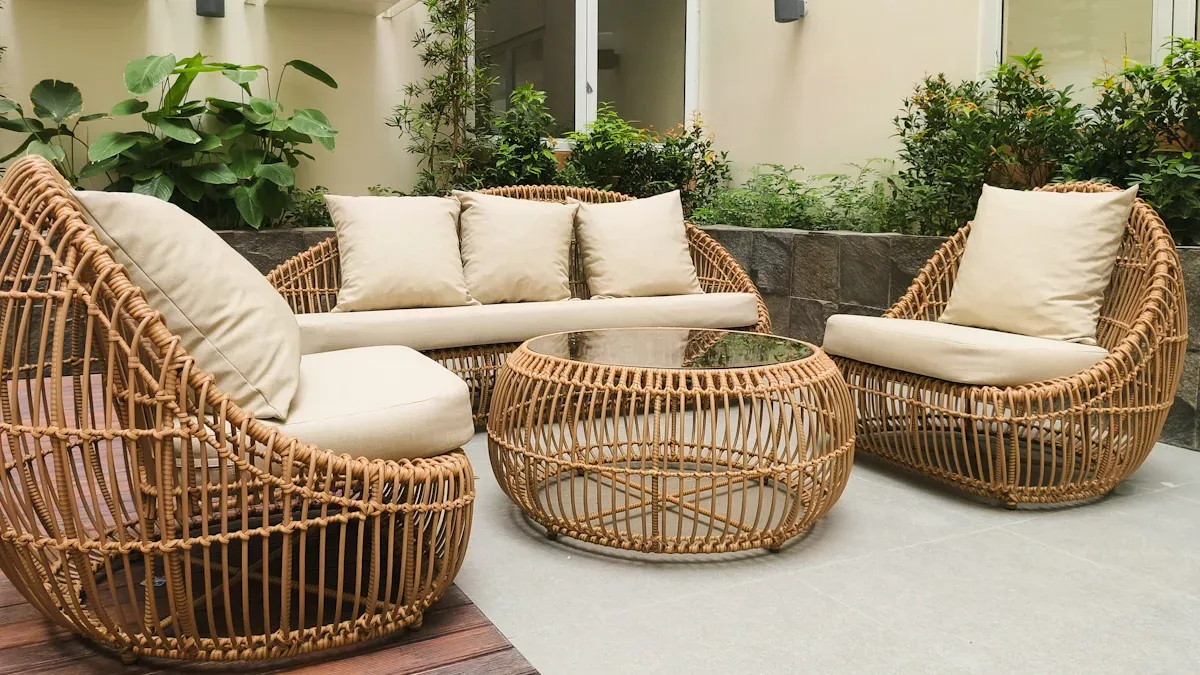
| Wicker | Suitable | Lightweight, flexible, and comfortable for both indoor and outdoor use. |
| Steel | Unsuitable | Heavy and not versatile, complicating movement. |
| Wrought Iron | Unsuitable | Heavy and not versatile, complicating movement. |
| Wood | Unsuitable | Heavy and not versatile, complicating movement. |
Aluminum, marine-grade polymer, and wicker are good picks for inside. They are light, easy to move, and look nice in many rooms. Steel, wrought iron, and wood are heavy and hard to move. These can scratch your floors or seem out of place.
Tip: If you want patio furniture in living rooms, choose pieces that fit your style and are easy to move. This way, you get comfort and can change things around without trouble.
Pros
Durability
Patio furniture is made to last a long time. It is built to handle rain, sun, and wind. These strong materials help it stay in good shape for years. Many patio chairs and tables do not wear out fast. They often last longer than regular indoor furniture.
Here’s a quick look at how some common materials compare:
| Material | Durability Rating | Weather Resistance | Maintenance Needs |
|---|---|---|---|
| HDPE | High | Excellent | Low |
| Steel | High | Good | Moderate |
| Aluminum | High | Excellent | Low |
| Synthetic Wicker | High | Excellent | Low |
| Ipe Wood | High | Good | Moderate |
| Natural Rattan | Low | Poor | High |
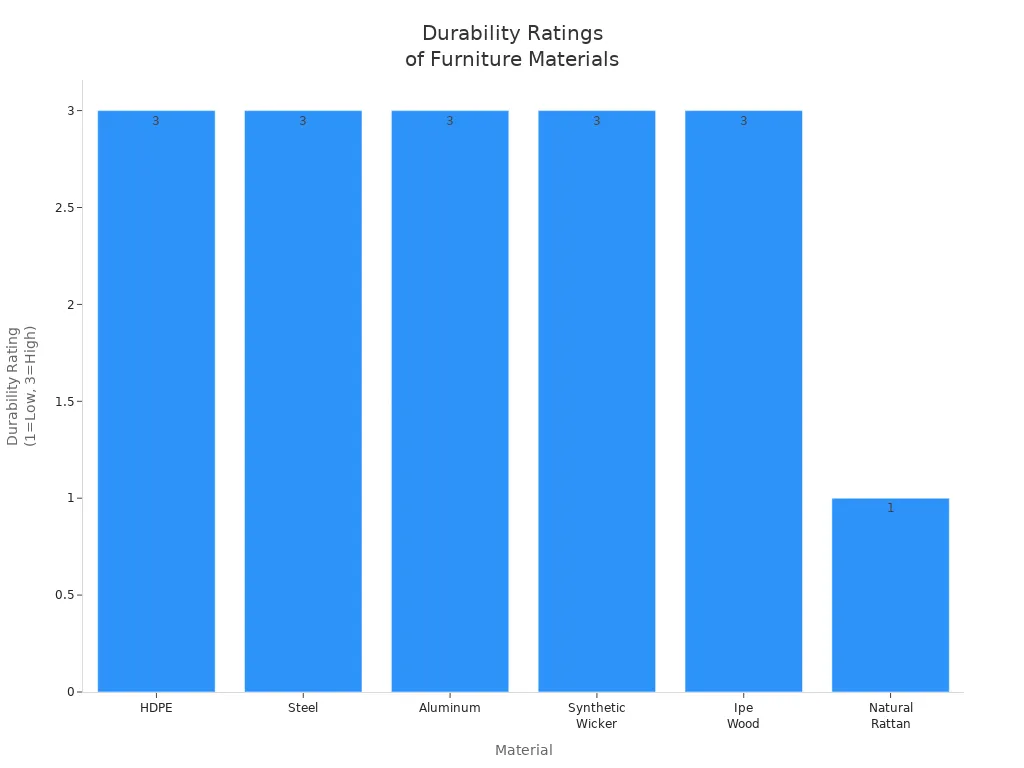
Outdoor furniture is made for tough weather. This helps it last longer than most indoor pieces. Many items can look good for five to ten years or more. If you use them inside, they may last even longer.
Versatility
Patio furniture can work in many rooms. You can put it in a sunroom or a bright corner. Some people use patio furniture in living room spaces. These pieces are light and easy to move. You can change your room whenever you want. Some people use a patio table as a desk. Others use a wicker chair for reading.
You can also make patio furniture match your style. Try new cushions or paint for a fresh look. Many people fix up old pieces before using them inside. This makes the furniture feel new and fit your home better.
Tip: Patio furniture is great for sunrooms and indoor patios. It brings an outdoor feeling inside and can handle lots of use.
Cost-Effective
Patio furniture sometimes costs more than indoor furniture. This is because it uses strong materials like marine-grade aluminum. These features help it last longer. You may save money because you do not need to replace it often.
If you already have patio furniture, bring it inside. You get more use from what you own. You can turn a patio chair into a living room seat. This helps you make a new look without buying new things.
Note: Using patio furniture in living room spaces can help you save money and try new decorating ideas.
Cons
Comfort
Patio furniture is not always comfy inside. Most patio chairs and sofas are made for outside use. They do not give you the soft feel of indoor seats. Some pieces feel hard or have thin cushions. If you sit for a long time, you might feel sore.
Here are some things to know about comfort:
- Cushioned aluminum, marine-grade polymer (MGP), and wicker furniture feel better inside than hard metal or plastic.
- Indoor furniture has soft fabrics and memory foam. These make seats feel nice and supportive.
- Outdoor furniture uses weatherproof cushions. These work for rain but may not feel as soft as indoor ones.
- Ergonomic indoor chairs help your back and let you relax. Patio furniture may not give you this support.
Tip: For more comfort, pick patio pieces with thick cushions and curved backs. You can also add pillows or throws to make them softer.
Style Fit
Style can be a problem with patio furniture inside. Sometimes, outdoor pieces do not match your home’s look. You may like your patio set outside, but it can look odd inside.
Designers rate patio furniture by how well it fits with indoor styles. Look at this table to see how features help or hurt your room’s style:
| Aspect | Examples | Benefits |
|---|---|---|
| Weather-Resistant Materials | Teak sofas, aluminum dining sets, and synthetic wicker lounge chairs | Ensures durability and longevity, reducing maintenance needs |
| Multi-Purpose Pieces | Storage benches that double as seating, extendable dining tables, and modular sofas | Maximizes space and provides flexibility for different activities |
| Consistent Style | Modern, minimalist furniture or rustic, natural pieces | Enhances visual flow and cohesion between indoor and outdoor spaces |
A big problem is when furniture does not match your home’s style. Cheap patio sets can look strange if they do not blend with your colors. This can make your room feel less cozy and more random.
Note: Pick patio furniture that matches your home’s style. Neutral colors and simple shapes work best for a smooth look.
Floor Protection
Patio furniture can hurt your floors. Many outdoor pieces have metal or hard plastic legs. These can scratch wood, dent laminate, or snag carpet. Heavy items like wrought iron chairs can leave marks or crack tiles.
Here’s a quick guide to keep your floors safe:
| Floor Type | Protective Measures |
|---|---|
| Hardwood Floors | – Attach felt or rubber pads to furniture legs to prevent scratching. – Place rugs under heavy furniture to distribute weight. – Use coasters under furniture legs to reduce pressure on the floor. – Periodically move furniture to prevent prolonged pressure. |
| Tile Floors | – Use non-slip furniture pads to prevent sliding and scratching. – Place protective caps on furniture legs to cushion impact. – Always lift furniture when moving it. |
| Laminate Floors | – Attach felt pads to furniture legs to prevent scratches. – Avoid placing furniture with metal legs directly on the floor. – Use area rugs under heavy furniture. |
| Carpeted Floors | – Use wide furniture cups to distribute weight. – Regularly rearrange furniture to prevent permanent indentations. – Use protective mats under desks and chairs to prevent wear. |
You can protect your floors by adding pads or caps to the legs. Rugs and mats help, especially under heavy furniture. Always lift furniture when you move it, not drag it.
Remember: Protecting your floors saves money and keeps your home nice. A little care makes a big difference!
Patio Furniture in Living Room Spaces
Style Tips
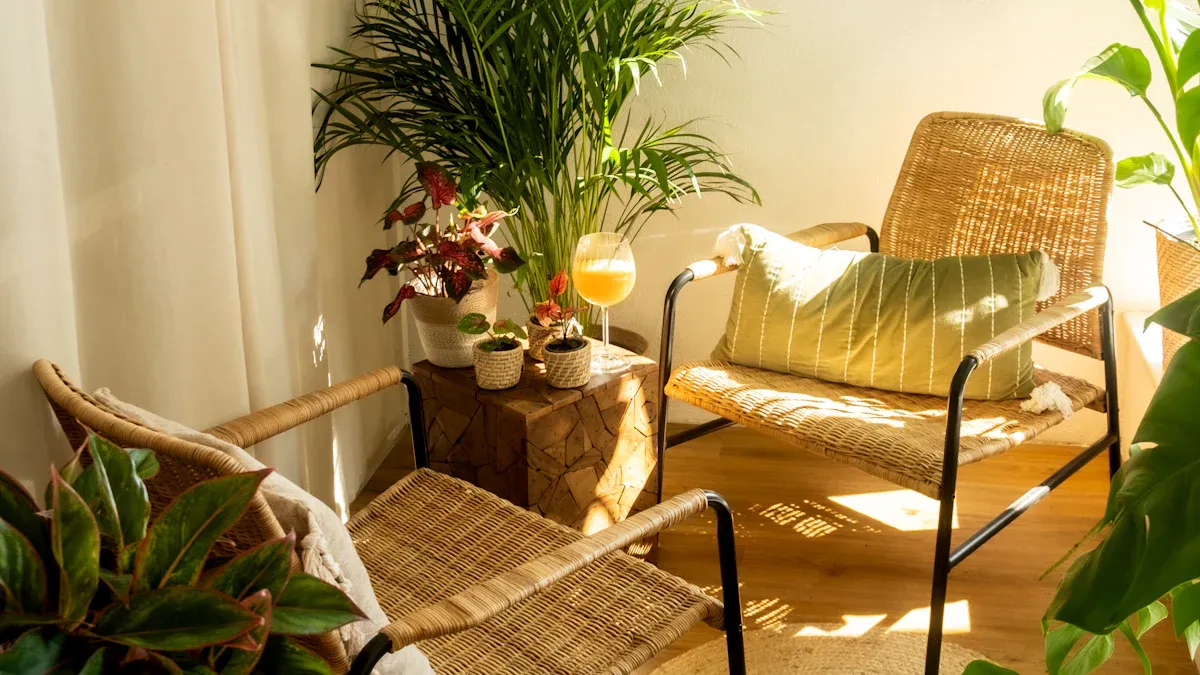
You can make your room feel fresh by blending indoor and outdoor styles. Try adding plants, natural things, and warm lights. This helps your living room and patio feel connected. Many designers have some easy tips:
- Use the same colors and materials in both rooms for a smooth look.
- Add soft blankets and pillows to make patio furniture in living rooms feel cozy.
- Put your furniture near windows or doors to let in sunlight.
You can think about comfort and style at the same time. When your patio furniture matches your living room, the space feels special and warm.
Material Choices
Picking the right materials is important. Some materials are better for inside and help keep your home safe. Here are some good choices:
- Sunbrella fabric does not stain or fade, so cushions stay bright.
- Teak wood looks nice and lasts a long time.
- Poly wicker is simple to clean and feels relaxed.
- Fiber cement looks modern and is strong.
- Polyester looks neat and stays nice.
Eco-friendly wicker and safe materials help the air in your home. Many people say the air feels cleaner and they feel less stressed with natural things. Light rattan frames are easy to move around.
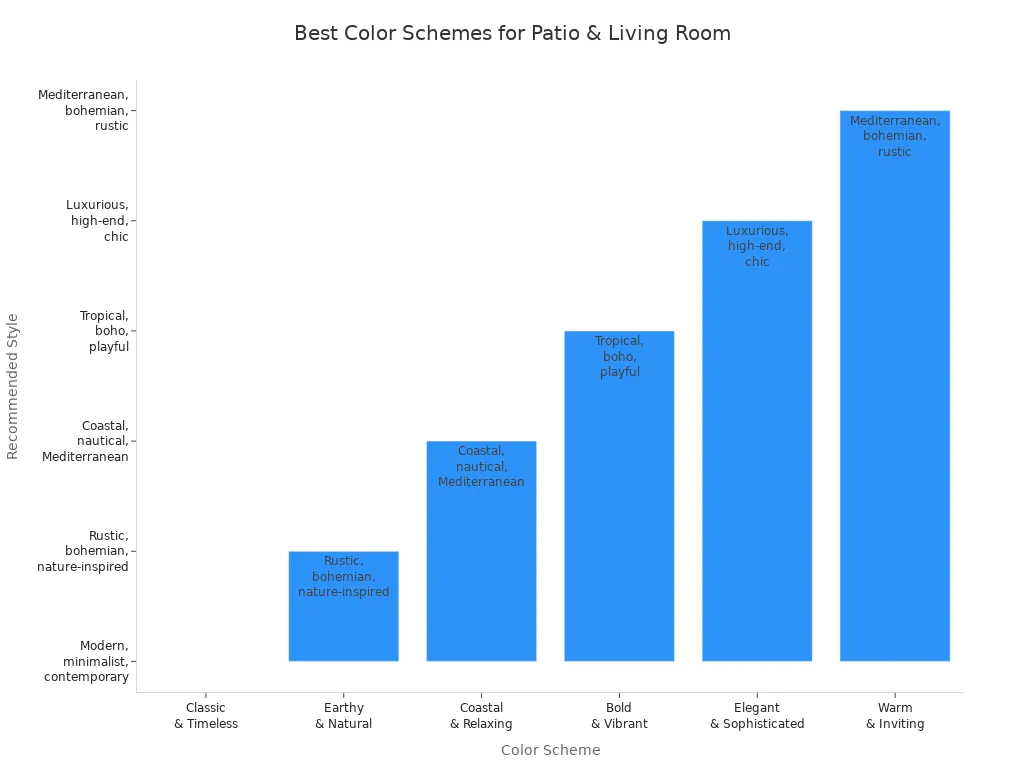
Here is a quick chart for color ideas that work well:
| Color Scheme | Why it Works | How to Use It | Best for |
|---|---|---|---|
| Classic & Timeless: Black, White, and Gray | Elegant, modern look; works with any material. | Black base, white cushions, gray accents. | Modern, minimalist styles. |
| Earthy & Natural: Green, Brown, and Beige | Warm and inviting; blends with nature. | Deep green cushions, brown furniture, beige accessories. | Rustic, bohemian spaces. |
| Coastal & Relaxing: Blue, White, and Sand | Beachside vibe; bright and airy. | Light furniture, blue cushions, sandy accents. | Coastal, Mediterranean styles. |
| Bold & Vibrant: Teal, Coral, and Yellow | Adds energy and personality. | Teal furniture, coral pillows, yellow accents. | Tropical, playful spaces. |
| Elegant & Sophisticated: Navy, Gold, and White | High-end look; classic and contemporary. | Navy seating, gold accents, white for balance. | Chic, luxurious spaces. |
| Warm & Inviting: Terracotta, Cream, and Olive Green | Cozy atmosphere; adds warmth. | Terracotta cushions, cream furniture, olive green accents. | Mediterranean, rustic designs. |
Enhancing Comfort
You want your patio furniture indoors to feel very comfy. Look for chairs that help your back and neck. Adjustable chairs let you sit how you like. Thick, soft cushions help a lot. Try to get cushions that are at least 4 inches thick, or even more if you can.
Tony says a cushion should be 4 inches or more. The best is 5 1/2 inches or thicker for a finished cushion.
Here are some popular cushion types and sizes:
| Cushion Type | Dimensions (W x D x H) | Description |
|---|---|---|
| Casual Cushions Monticello Seat Pad | 20” x 18” x 2.5” | Comfortable seat pad for deep seating. |
| Settee Pad | 39.5” x 18.5” x 2” | Great for settee seating. |
| General Highback Pad | 19” x 36” x 2.5” | Designed for highback chairs. |
| Reno Bench Cushion | 43” x 18” x 2.5” | Perfect for benches. |
| Lounge Cushions | 23” x 74” x 5” | For chaise lounges, adds style and comfort. |
You can use cushions that flip over for easy cleaning and more softness. Dacron filling makes cushions feel fluffy. With these changes, your patio furniture in living rooms will feel as comfy as any indoor set.
Updating Patio Furniture
Painting Ideas
You can give your patio furniture a whole new look with a fresh coat of paint. This is one of the easiest ways to make old pieces feel brand new. You might want to match your furniture to your living room colors or just add a pop of fun. Before you start, check the surface. If you see peeling paint, scrape it off first. Some surfaces need a primer, so read the paint label before you buy.
The best way to transform your outdoor patio furniture is by painting it. Just about anything can be painted, even if it wasn’t painted before. How good the end result is depends on the paint you select, so choose carefully. Paint is available for various surfaces, and some will require primer. If the surface was painted before, you will need to remove the peeling paint beforehand.
Try spray paint for metal or plastic. Use a brush for wood or wicker. You can even use stencils to add patterns or shapes. Painting lets you get creative and make your furniture fit your style.
Cushion Upgrades
Swapping out old cushions can make your patio furniture feel soft and cozy. Indoor spaces let you use a wider range of fabrics and colors. Look for cushions that feel good to touch and are easy to clean. Some materials work better than others for indoor comfort.
| Material | Durability | Comfort | Maintenance | Water Resistance | Eco-Friendly |
|---|---|---|---|---|---|
| Olefin | High | Soft | Easy | Yes | Yes |
| PVC/Olefin blends | Medium | Flexible | Moderate | Yes | No |
| Vinyl-coated polyester | High | Sturdy | Easy | Yes | No |
Olefin cushions feel soft and last a long time. You can pick bright colors or fun patterns to match your room. Thicker cushions add extra comfort, so you can relax longer.
Mixing with Decor
Blending patio furniture with your indoor style can make your space feel unique. You do not have to stick to one look. Try mixing different styles and materials for a fresh vibe.
- Combine different design styles for an eclectic look.
- Use a variety of materials to add contrast and texture.
- Experiment with shapes and patterns for a dynamic appearance.
- Choose a creative color palette to set the mood.
- Incorporate accessories to enhance the overall theme.
You might add a soft throw blanket, a bold rug, or some indoor plants. These touches help your patio furniture feel right at home. Mixing and matching lets you show off your personality and create a space you love.
You’ve seen the upsides—patio furniture lasts long, saves money, and works in many spaces. You’ve also learned about the downsides, like comfort and style fit. Before you decide, think about what matters most to you:
- Do you want a unique look?
- Is comfort your top priority?
- Are you working with a tight budget?
Tip: Try mixing cushions, colors, and accessories. You can make any piece feel right at home!
FAQ
Can you use all types of patio furniture indoors?
You can use many types, but not all work well. Lightweight materials like aluminum and wicker fit best. Heavy pieces, such as wrought iron, may scratch floors or look out of place. Always check if the style and size match your room.
How do you make patio furniture more comfortable inside?
Add thick cushions, soft pillows, or cozy throws. Choose fabrics that feel good to touch. You can also use seat pads or back supports. These small changes help your patio furniture feel just as comfy as indoor pieces.
Will patio furniture damage your floors?
Patio furniture can scratch or dent floors, especially hardwood or tile. Attach felt pads or rubber caps to the legs. Place rugs under heavy items. Always lift furniture when moving it to protect your floors.
What is the best way to clean patio furniture used indoors?
Wipe surfaces with a damp cloth. For cushions, use a vacuum or spot-clean stains. Most patio furniture cleans up easily. Check the care label for special instructions. Avoid harsh chemicals to keep your furniture looking fresh.
Can you mix patio furniture with regular indoor furniture?
Absolutely! Mixing styles creates a unique look. Try pairing a wicker chair with a modern sofa. Use matching colors or add similar accessories. This blend can make your space feel creative and welcoming.