Introduction
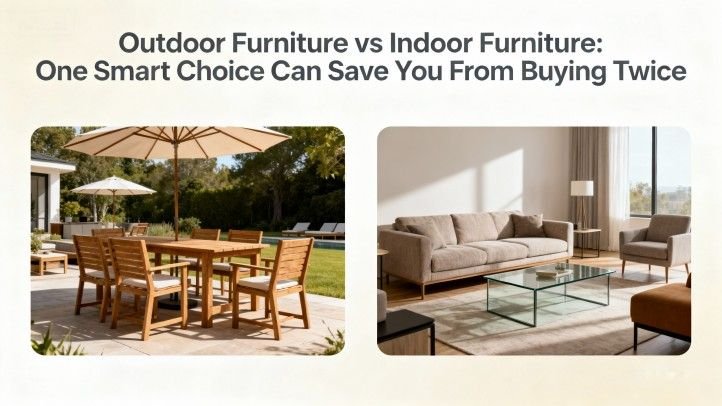
Outdoor furniture vs indoor furniture is not just a style question.
It’s a lifetime cost and comfort decision.
More and more people treat the patio, balcony, or garden as a “second living room”.Several industry reports show the global outdoor furniture market is already worth over USD 50 billion in 2024 and is still growing as people invest more in outdoor living spaces. (Grand View Research)
But with so many options, it’s easy to make one expensive mistake: using the wrong type of furniture in the wrong place.
At Happy Rattan, we see this all the time: a beautiful indoor sofa fades and cracks on a balcony in just two summers, or a bulky outdoor set looks stiff and cold inside the living room. This guide is here to stop that from happening to you.
Indoor vs Outdoor Furniture
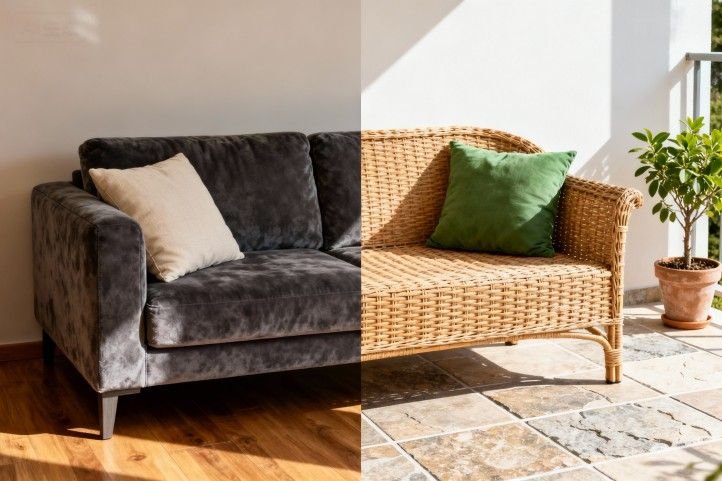
Before looking at styles and colors, you need to know how indoor and outdoor furniture are built for different jobs.
Materials and Construction
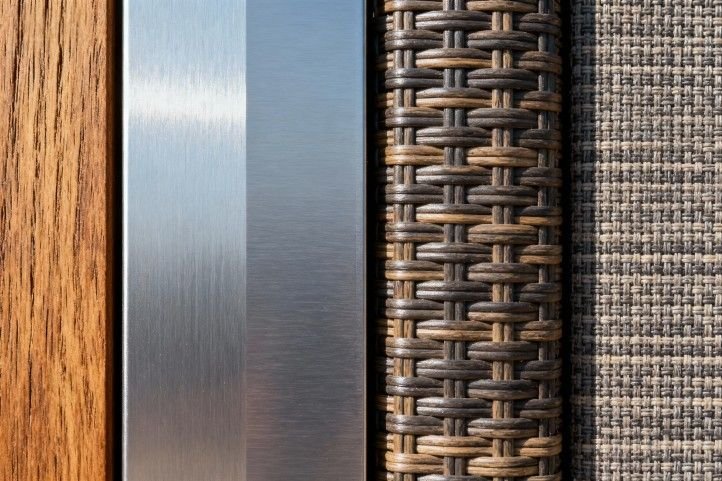
Outdoor furniture is designed to live under the sun, rain, wind, and temperature swings. Common materials include:
- Aluminum and stainless steel – light, rust-resistant metals suited for all-weather frames. (Patio Productions)
- Teak and other dense hardwoods – naturally oily woods that resist rot and insects and can last for decades outside with care. (Patio Productions)
- HDPE all-weather wicker – high-density polyethylene wicker woven over metal frames; it’s engineered to resist UV fading, cracking, and peeling. (AuthenTEAK)
- Solution-dyed acrylic fabrics (like Sunbrella) – the color is locked into the yarn, so cushions resist fading for many years. (Patio Productions)
Indoor furniture is optimized for comfort and look in a stable climate. It often uses:
- Softer woods, veneers, MDF / particleboard
- Foam-heavy cushions and soft fabrics (cotton, velvet, chenille, untreated leather)
- Finishes are not built for UV light or heavy moisture
Guides from furniture makers and design studios point out that indoor pieces usually lack weather-resistant finishes and rust-proof hardware, so they break down much faster outside. (Patio Productions)
Comparison Table
| Aspect | Outdoor Furniture | Indoor Furniture | What It Means For You |
|---|---|---|---|
| Main goal | Survive the weather, stay stable | Max comfort, rich finish | Choose based on where the piece will live most of the time |
| Typical materials | Aluminum, steel, teak, HDPE wicker, concrete, and outdoor fabrics | Soft woods, MDF, leather, cotton, velvet, and indoor foams | Outdoor materials resist sun/rain; indoor ones usually do not |
| Frame + hardware | Rust-resistant metals, weather-proof glues, and screws | Standard steel, wood screws, and interior adhesives | Outdoor frames handle expansion, moisture, and corrosion |
| Cushions & fabrics | Solution-dyed acrylic, olefin, treated foams | Standard foams, non-treated textiles | Outdoor cushions last longer but may feel slightly firmer |
| Maintenance | Needs regular cleaning, covers, sometimes oiling or sealing | Light cleaning, occasional conditioning | Outdoor sets need more care and routine checks |
| Styling focus | Simple lines, modular, easy to move, and clean | More detail, softer shapes, and deeper cushions | Indoor pieces often look “richer” but don’t like the weather |
Happy Rattan insight. When customers ask, “Why is outdoor furniture more expensive than similar indoor pieces?”, our short answer is: You’re not only paying for the look; you’re paying for years of sun, rain, and temperature changes that indoor furniture never has to face.
For a more technical explanation of these differences, you can also check resources like Axis Homecraft’s guide to indoor vs outdoor furniture.
[See more: Complete Guide to Outdoor Furniture Materials]
How Long Will It Last?
A key SEO question people search for is: “How long does outdoor furniture last?” Different sources give different ranges, but most agree that the lifespan depends heavily on material quality plus care. (Patio Productions)
Lifespan by Material (With Care)
The table below is based on expert guides and manufacturer advice:
| Material | Typical Use | Approx. Lifespan* | Notes |
|---|---|---|---|
| Low-end plastic | Outdoor | 1-3 years | Cheap, but often fades and becomes brittle in strong sun. |
| Powder-coated aluminum | Outdoor | 10-15+ years | Light, rust-resistant; coating quality matters. |
| Stainless steel | Outdoor (sheltered or marine-grade) | 10-20+ years | Best in areas with high humidity if marine grade is used. |
| HDPE resin / all-weather wicker | Outdoor | 7-15+ years | UV-stable; paired with an aluminum frame for strength. (AuthenTEAK) |
| Teak (high-grade) | Outdoor | 20-50+ years with proper care | Natural oils offer strong weather resistance. |
| Softwood (indoor-made) | Indoor | 10+ years indoors; often <2 years outdoors | Not built for UV, moisture, or large temperature swings. |
*These are typical ranges, not guarantees. Real life depends on your climate, exposure, and maintenance. For example, Patio Productions’ expert guide to teak notes that high-grade teak furniture can last 30-50+ years outdoors when properly maintained.
Think in “Cost per Year,” Not Just Price Tag
Imagine two patio sets:
- Set A: Plastic bistro set, USD 200, lasts around 3 years → about USD 67 per year
- Set B: HDPE wicker + aluminum set, USD 800, lasts around 10 years → USD 80 per year
At first glance, Set A looks cheaper. But if you end up buying it three times in ten years, your real cost is USD 600, plus the hassle of throwing away old sets.
Happy Rattan insight: We encourage customers to treat outdoor furniture as a 10-year decision, not a one-summer purchase. When you compare “cost per year”, investing in better materials usually wins.
Matching the Right Furniture to the Right Space
Now let’s move from theory into real spaces: balcony, backyard, roof terrace, or a café patio. Each has different needs.
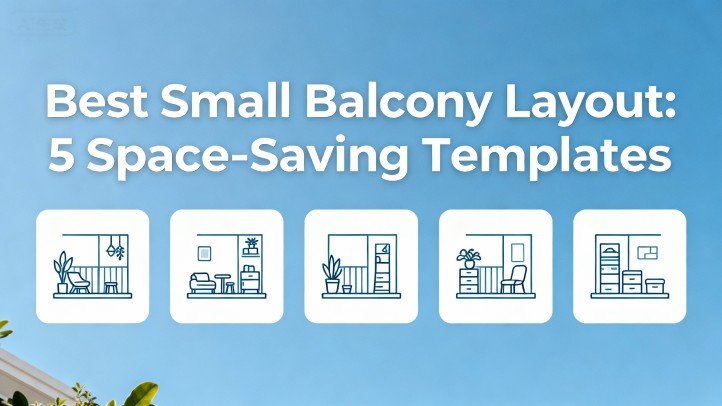
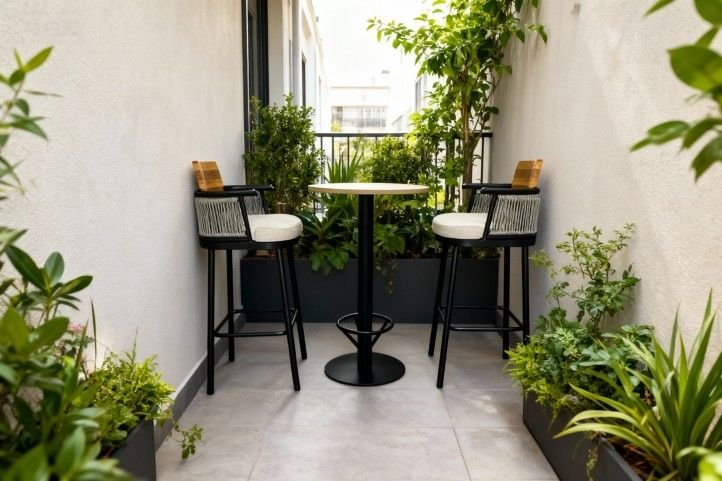
Small Balcony or Covered Loggia?
Conditions
- Some sun, some rain
- Often sheltered on at least one side
- Space is limited
Best choices
- Compact aluminum or steel chairs with slim profiles
- Foldable bistro sets
- Outdoor-rated balcony sofas with slim arms and removable cushions
Avoid
- Deep, heavy indoor sofas that block circulation
- Untreated wood or indoor fabrics
[See more: Small Balcony Furniture Layout Ideas]
Open Backyard or Garden Patio?
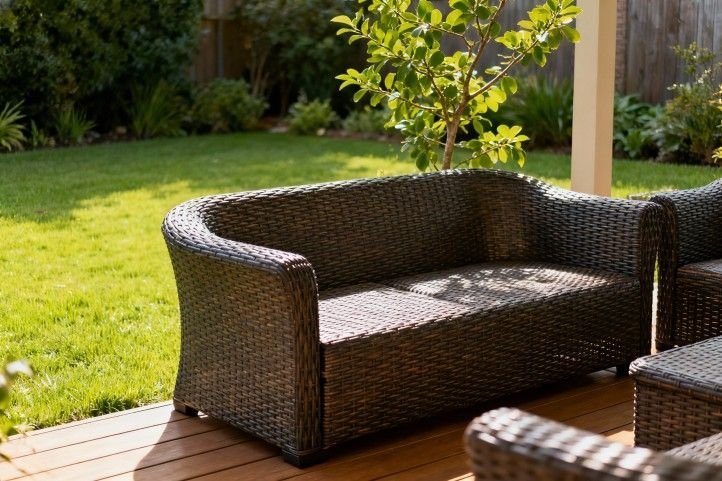
Here, furniture faces full UV, rain, wind, and temperature changes. Garden and patio design guides stress the need for durable, weather-proof choices in these spaces. (Go Time Patio) Best choices
- Teak or other dense hardwoods for dining tables and benches
- HDPE resin wicker with aluminum frames for lounge sets
- Powder-coated aluminum dining and lounge sets
Happy Rattan insight. For hot, sunny climates, we often recommend HDPE wicker or teak plus light-colored cushions made from solution-dyed acrylic. Dark metal frames can get very hot under the sun. You can deepen your research with market-oriented guides like the Homes & Gardens outdoor furniture buying guide, which highlights teak and aluminum as top picks for long-term durability.
Roof Terrace
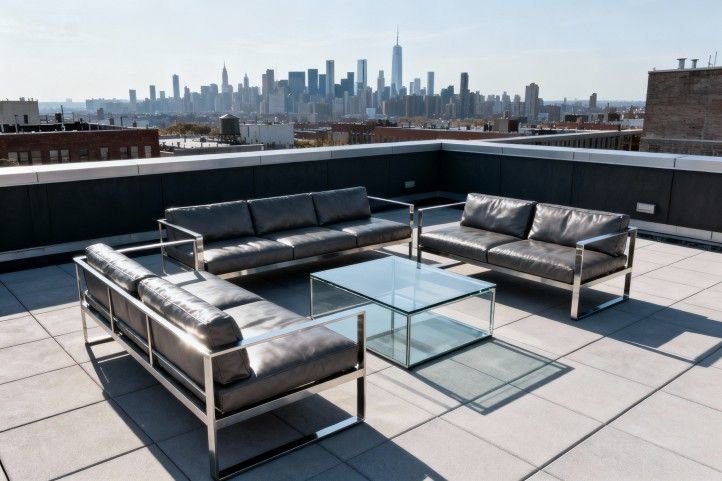
Extra factors:
- Strong wind
- High sun exposure
- Often weight limits on structures
Tips
- Anchor or weigh down light furniture
- Choose aluminum frames to reduce the load
- Use low-profile sectionals and coffee tables instead of tall, top-heavy pieces
[See more: Roof Terrace Safety and Furniture Guide]
Commercial Spaces
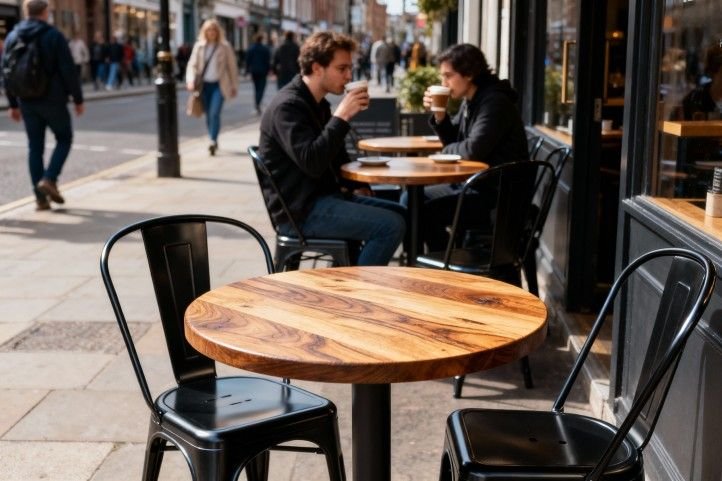
For commercial users, outdoor furniture is an investment asset. Market reports show commercial applications are a major growth driver thanks to outdoor dining and hospitality trends.
Key priorities
- Durability + low maintenance (aluminum, HDPE wicker, contract-grade fabrics)
- Stackable or foldable designs for easy storage
- Style that matches your brand and interior
Happy Rattan insight: In cafés and small hotels, we see the best ROI from:
- Stackable aluminum dining chairs
- Round or square metal tables with weighted bases
- A few statement lounge pieces in HDPE wicker or teak near the entrance
Can You Mix Indoor and Outdoor Furniture?
This is where “outdoor furniture vs indoor furniture” becomes a very practical question.
Can Indoor Furniture Go Outside?
Short answer: Usually no, unless:
- The area is fully covered and enclosed
- Humidity and temperature are stable
- The piece doesn’t get direct sun or rain
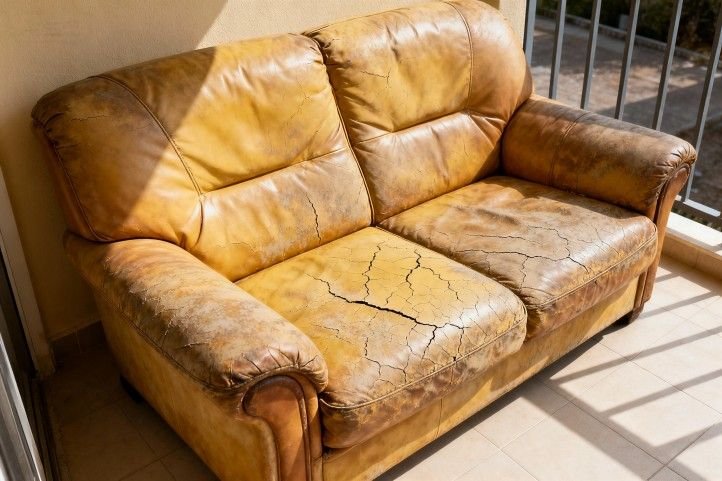
Indoor finishes, glues, and foams break down under UV and moisture, leading to peeling, warping, and mold. High-risk indoor pieces outside:
- Leather or faux-leather sofas
- Panel-board furniture (MDF, particleboard)
- Deep fabric sofas with untreated cushions
Can Outdoor Furniture Be Used Indoors?
This is much safer-but not always ideal. Pros
- Very durable and easy to clean
- Great for mudrooms, sunrooms, kids’ rooms, or rental homes
Cons
- Some frames look bulkier indoors
- Cushions can feel firmer
- Some outdoor finishes may look more “matte” or “technical” than you’d want in a formal living room
Happy Rattan insight: We often design modular outdoor sofas that customers use both indoors and on covered terraces. The trick is to choose:
- Indoor-friendly colors (greige, sand, warm grey)
- Seats with enough depth and soft top cushions
- Simple, clean lines so the piece looks good in either setting
A Simple “Risk Matrix” for Mixing
You can think of three risk levels:
- Green (Safe): Outdoor furniture in semi-indoor spaces (sunrooms, enclosed balconies); indoor cushions on outdoor frames if you bring them inside after use.
- Yellow (Conditional): Solid wood indoor tables under a roof, with minimal sun and no rain.
- Red (Avoid): Indoor sofas and beds in open, rainy, or full-sun areas; any indoor piece in a coastal, very humid, or very cold climate.
How to Choose the Right Furniture?
Here is a simple flow you can follow any time you are choosing between outdoor furniture vs indoor furniture.
Step 1 – Define Your Space and Use
Answer these questions:
- Is this full outdoor, semi-outdoor, or indoor?
- How many days per week will you use it?
- Will people eat and drink there? Are there kids or pets?
Step 2 – Rate Your Environment
Give each a score from 0-3:
- Sun hours per day
- Rain exposure
- Wind exposure
- Humidity or salt (if near the sea)
If your total is high, you need true outdoor materials and regular maintenance. Many materials and buyer guides stress that climate and care are the biggest drivers of outdoor furniture lifespan. (Go Time Patio)
Step 3 – Choose Your Material Family
Use your environment rating to narrow materials:
- Harsh climate: aluminum, stainless steel, HDPE wicker, high-grade teak
- Mild climate: powder-coated steel, some treated softwoods
Step 4 – Look at “Cost per Year”, Not Just Price
Use this simple formula: Cost per year = (Purchase price + Estimated care costs) ÷ Expected years of use If two sets have similar looks and comfort, choose the one with lower cost per year, not the lower sticker price.
Step 5 – Check Style and Comfort
Only after the above:
- Sit for at least 10-15 minutes to test comfort.
- Compare the style with your interior.
- Think about cleaning: can you wash or replace cushion covers easily?
Happy Rattan’s Point of View
Based on our experience helping homeowners and small businesses build long-lasting outdoor spaces, here is how Happy Rattan suggests you allocate your budget:
- Spend more on:
- Frames (teak, aluminum, HDPE wicker)
- Seat comfort (good foam, breathable outdoor fabrics)
- Pieces you use daily: main sofa, main dining set
- Save on:
- Side tables and accent stools
- Decorative cushions (you can change these cheaply later)
- Non-essential extras like storage boxes or decorative lanterns
We also recommend a simple care routine:
- Quick wipe-down every 1-2 weeks in season
- Deep clean and check hardware before winter or the rainy season
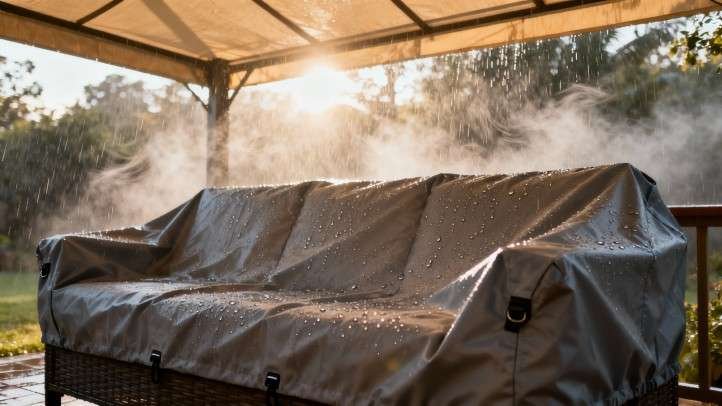
- Use breathable covers and store cushions indoors in bad weather
[See more: Outdoor Furniture Cleaning and Maintenance Guide]
FAQ
Q1. Can I use indoor furniture on a covered balcony?
A: It’s still risky. Even on a covered balcony, humidity and temperature changes can cause wood to move and finishes to peel. Fabric and foam may trap moisture and grow mold. If you do this, treat it as a short-term or sacrificial solution, not a long-term plan.
Q2. Can outdoor furniture be used indoors?
A: Yes, and it can be a smart choice in high-traffic or messy areas (kids’ rooms, rentals, mudrooms). Just be sure the style, color, and cushion comfort fit an indoor look, and check that any finishes are safe for indoor use.
Q3. What are the most durable outdoor furniture materials?
A: From a durability point of view, experts consistently point to:
- Teak and other dense hardwoods
- Powder-coated aluminum
- High-quality HDPE resin / all-weather wicker
These materials are highlighted in pro buyer guides as top picks for long-term outdoor use.
Q4. What fabric is best for outdoor cushions?
A: Look for solution-dyed acrylic or similar outdoor fabrics (Sunbrella is a well-known brand). These fabrics are designed to resist fading, mildew, and wear in outdoor conditions for many seasons.
Q5. How can I make my outdoor furniture last longer?
A:
- Clean regularly with mild soap and water
- Let everything dry before covering or storing
- Use breathable covers, not plastic tarps
- Store cushions indoors in wet or cold seasons
- Re-oil or reseal wood like teak as needed
Q6. Is outdoor furniture really worth the investment?
A: If you plan to use your outdoor space for more than one season, yes. Market reports show steady growth in outdoor living because people value these spaces more than ever, and durable furniture helps protect that investment.
Final Thoughts
When you search for “outdoor furniture vs indoor furniture”, you’re not just comparing two product categories. You’re planning how you will live, relax, and host in the next decade.
- Indoor furniture is the soft heart of your home.
- Outdoor furniture is the tough skin that protects your comfort in the open air.
If you:
- Match materials to your climate,
- Think in cost per year,
- Follow a simple care routine,
You can enjoy a beautiful, low-stress space without paying “tuition” for mistakes.
Happy Rattan’s final tip: If you’re torn between two sets, choose the one that fits your lifestyle, not just the one that looks best in pictures. You’re not buying a photo-you’re buying years of breakfasts, sunset drinks, and late-night talks.