
Introduction
TL;DR – Density influences weight, strength, machining feel, and movement; real outdoor longevity depends on natural durability (heartwood resistance to fungi, termites, and marine borers under EN 350). Teak Density averages ~655-660 kg/m³ (12% MC) with very durable heartwood and good termite resistance; marine borer resistance is only moderate, so submerged parts need extra protection. East Indian Rosewood is denser (~855 kg/m³) and very durable, but heavier and more demanding to finish and source legally. Eucalyptus grandis is ~640 kg/m³ with durable, very durable heartwood on paper, but shows poorer insect resistance, and larger movement-design and coatings are critical.
Why density and durability decide outdoor performance
In outdoor furniture, density governs weight, strength, and dimensional movement; natural durability determines how long pieces actually last in real weather. Under EN 350, durability is rated from Class 1 (very durable) to Class 5 (not durable)-and here’s the single most important rule: ratings apply to heartwood only; sapwood is not considered durable. See the concise explainer from the Nordic Wood Preservation Council and the practical EN 350 overview by ATIBT.
The numbers at a glance (12% MC unless noted)
| Species | Botanical name | Density (kg/m³) | Specific Gravity (Basic / 12% MC) | EN 350 heartwood durability | Termites / Marine borers | Outdoor notes |
|---|---|---|---|---|---|---|
| Teak | Tectona grandis | ~655-660 | 0.55 / 0.66 | Very durable (Class 1 common) | Good vs termites / moderate vs marine borers | Stable near pools/coast; specify 316L fasteners |
| East Indian Rosewood | Dalbergia latifolia | ~855 | 0.73 / 0.86 | Very durable | Good termite resistance | Dense/heavy; CITES compliance; meticulous finishing |
| Eucalyptus grandis (Rose Gum / Red Grandis) | Eucalyptus grandis | ~640 | 0.48 / 0.64 | Durable-Very durable | Poor insect resistance; larger movement | Value route; design for drainage; seal end-grain |
Sources for properties (density/SG/durability/insect notes):
Teak – The Wood Database · East Indian Rosewood – The Wood Database · Rose Gum (E. grandis) – The Wood Database
Visual quick-read (optional chart for your page)
Relative Density at 12% MC (kg/m³)
Rosewood (EIR): ██████████
855 Teak: ████████
655 E. grandis: ███████ 640
Teak (Tectona grandis): why it’s the outdoor gold standard
Teak Density sits around ~655-660 kg/m³ (12% MC), a comfortable mid-high range that pairs with relatively low shrinkage. The heartwood is very durable and naturally termite-resistant, thanks to extractives and anatomy. Do note: resistance to marine borers is only moderate, so constant seawater contact still requires special protection or alternate materials. See the property breakdown on Teak – The Wood Database.
Plantation vs. old-growth (expert insight)
Durability isn’t just “teak = great.” Extractive content and age class matter. Research shows termite resistance and overall durability vary with age and heartwood proportion-e.g., age-series testing (8, 30, 51 years) documented meaningful differences, and plantation teak with high juvenile wood can underperform classic expectations. For details, see the peer-reviewed study in Annals of Forest Science: Variation in the natural termite resistance of teak, and a plantation case study from Costa Rica: Natural durability and anatomical features of teak from plantations. 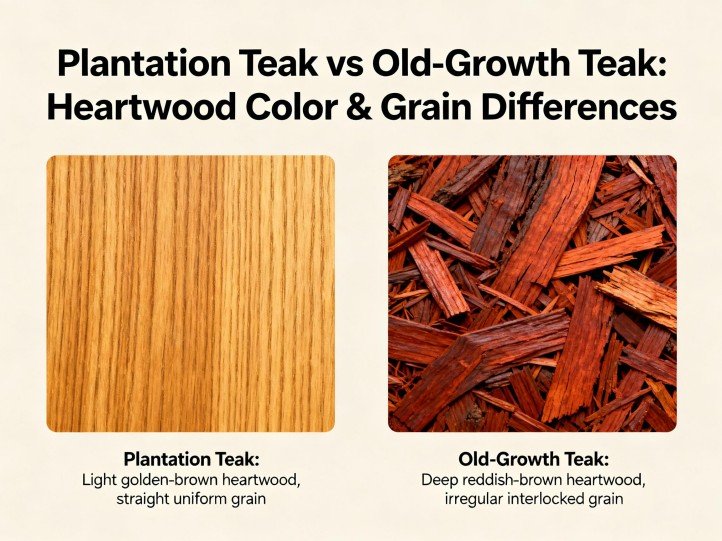
[If you want to learn more about teak, please see: Outdoor Teak Furniture Grading: Distinguishing A, B, C Grades] Specifier tips
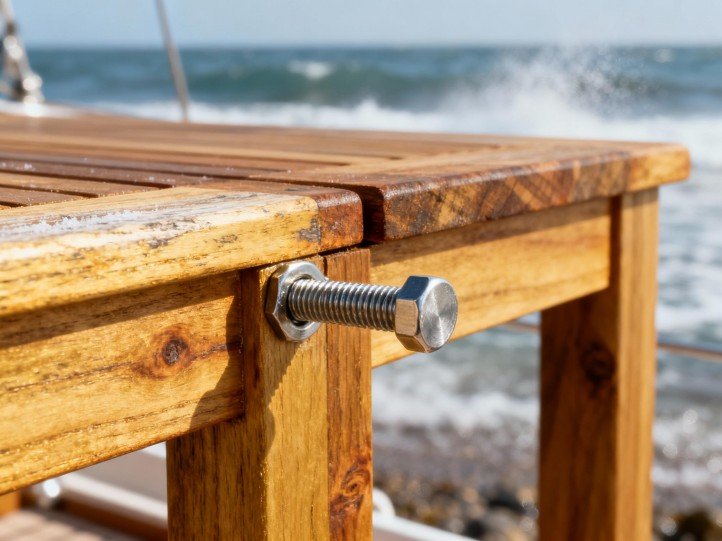
- Hardware: use 316/316L stainless steel in salt air.
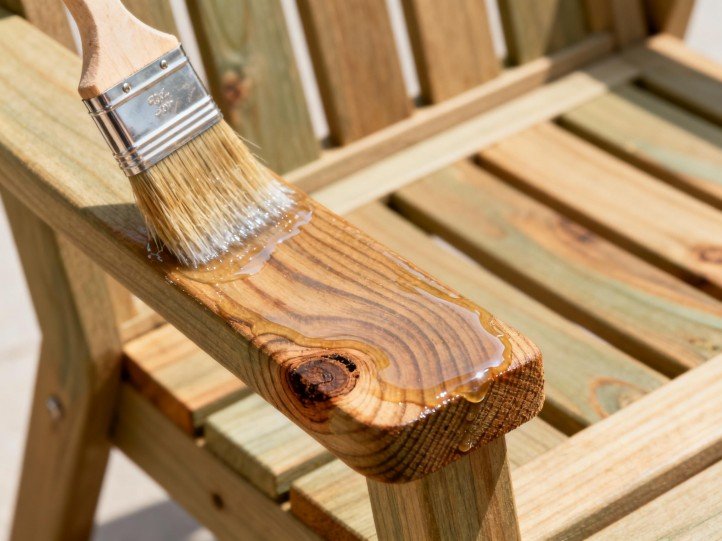
- Finish: light UV oil 1-2×/year maintains color; bare teak weathers silver-gray (cosmetic).
- Procurement: ask suppliers for heartwood proportion, age class/plantation vs. natural forest, and any EN 350 or field performance data.
East Indian Rosewood (Dalbergia latifolia): denser ≠ automatically better outside
At ~855 kg/m³, EIR is heavier and harder than teak and is rated very durable in heartwood with good termite resistance. But density brings trade-offs: higher self-weight demands sturdier frames and fasteners, finishing is more exacting, and CITES compliance applies to Dalbergia spp. If you want that deep, luxurious look outdoors and can manage compliance and coatings, it’s viable, especially in semi-exposed settings. For technical properties and CITES notes, see East Indian Rosewood – The Wood Database.
Eucalyptus grandis (Rose Gum / Red Grandis): the value route with design discipline
E. grandis averages ~640 kg/m³ with SG around 0.48 / 0.64. Sources often list heartwood durability as durable to very durable, but note the poorer insect resistance and higher movement success hinges on detailing (drainage & ventilation), end-grain sealing, and a dependable coating schedule. See the species profile: Rose Gum (E. grandis) – The Wood Database. When it shines
- Budget-conscious projects in semi-exposed conditions.
- Frames designed with fast water-shedding, no end-grain wicking, and annual recoats.
- Clear installation guides for owners (so maintenance happens on time).
How to compare density and durability correctly (and avoid apples-to-oranges)
Check the moisture basis.
“Basic density” (oven-dry mass / green volume) ≠ “density at 12% MC” used in furniture specs. Many reliable sources list specific gravity both at basic and at 12% MC-use the same basis across species. The entries for Teak, East Indian Rosewood, and Rose Gum show both figures side-by-side for apples-to-apples comparison.
Read EN 350 the right way.
Durability classes apply only to heartwood; sapwood is never classed as durable. That distinction-and the specific hazards (fungi, termites, marine borers)-is explained succinctly by the Nordic Wood Preservation Council and in the EN 350 overview from ATIBT.
Remember: environment multiplies material advantages.
Use class, climate, detailing, and maintenance can erase or amplify inherent durability. A Class 1 wood in a trap-water design can still fail prematurely; a lower-class wood in a ventilated, well-sealed design may perform adequately above ground. The buyer’s checklist in the OWIC briefing is a practical start: Natural Durability of Wood: A Worldwide Checklist of Species.
Application guidance by scenario (lifecycle-cost view)
Coastal decks, pool surrounds, salt spray
- First choice: Teak-its Teak Density and extractives deliver stability and durability.
- Caveat: Marine borers’ resistance is only moderate; avoid constant seawater contact or specify added protection below the waterline.
- Maintenance: Apply light UV oil 1-2 times per year; reseal end-grain every season.
Standard patios & semi-exposed courtyards
- High-end: Teak or East Indian Rosewood (ensure CITES paperwork; adopt a robust coating system).
- Value: E. grandis, provided you design for drainage/ventilation, seal end-grain, and plan annual recoats.
Termite-risk regions (subtropical/tropical)
- Favor Class 1 heartwood (e.g., teak). Raise components off the soil, avoid water traps, and consider physical barriers.
- For plantation teak in high termite pressure, review age class/heartwood % and consider enhanced protection-see Variation in the natural termite resistance of teak.
Expert takeaways you can act on
- “Higher density” isn’t a free pass to longevity. Durability is driven by heartwood extractives + anatomy, not density alone. For procurement and risk framing, use the OWIC guide: Natural Durability of Wood – A Worldwide Checklist of Species.
- Plantation vs. old-growth matters-ask for data. Teak’s performance correlates with age and extractives. Request age class, heartwood proportion, and any EN 350 / field test evidence. The age-series results and plantation variability are discussed in Annals of Forest Science (teak termite resistance vs. age) and the Costa Rica study: Plantation teak durability & anatomy.
- Design beats raw specs. Free-draining frames, vented slats, sealed end-grain, and correct fasteners extend life across all three species.
Optional video embed (boost dwell time): Eucalyptus vs Teak Outdoor Furniture: Which is Better?
Conclusion (with your keyword)
For harsh exposures (coastal, poolside), teak remains the benchmark. The combination of Teak Density (~655-660 kg/m³ at 12% MC) and very durable heartwood delivers predictable stability and longevity with modest upkeep. East Indian Rosewood can be specified for its premium looks and toughness when exposure is moderate, allowing for compliance and meticulous finishing. Eucalyptus grandis is the budget-savvy option that performs when (and only when) the design eliminates water traps, joinery is ventilated, end-grain is sealed, and the maintenance plan is followed.
FAQ
Q1. What is the typical Teak Density at 12% moisture content?
A. About ~655-660 kg/m³, with specific gravity ≈ 0.66 at 12% one reason teak stays dimensionally stable outside. See Teak – The Wood Database.
Q2. Is a higher-density wood (like rosewood) always better for outdoor use?
A. No. Outdoor life depends more on the heartwood’s natural durability and design than on density alone. Check EN 350 guidance via ATIBT’s durability guide and the OWIC checklist: Natural Durability of Wood.
Q3. What’s the density of Eucalyptus grandis, and is it durable?
A. Typical density is ~640 kg/m³ at 12% MC. Heartwood is often rated durable-very durable, but insect resistance is weaker, and movement is higher, designed for drainage and sealing end-grain. See Rose Gum – The Wood Database.
Q4. Does EN 350 include sapwood when rating durability?
A. No. Durability classes apply to heartwood only; sapwood is not considered durable. See the Nordic Wood Preservation Council explainer and ATIBT’s EN 350 overview.
Q5. Is plantation teak less durable than old-growth teak?
A. It can be. Studies indicate that younger, plantation-grown material with higher juvenile wood content can show reduced termite/decay resistance. See Annals of Forest Science (age vs. resistance) and the Costa Rica plantation study.