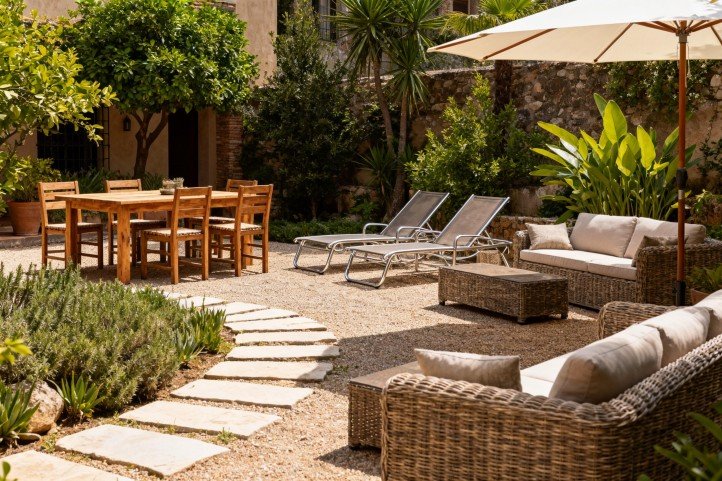
Introduction of what is Outdoor furniture made of
“When readers ask What Is Outdoor Furniture Made Of, the answer spans naturally durable woods (e.g., teak per EN 350), corrosion-resistant metals (316 stainless near the coast, per Nickel Institute), UV-stable plastics and composites, and solution-dyed performance textiles vetted under AATCC lightfastness tests.”
Common Materials for Outdoor Furniture
1. Wood
Teak, Cedar, and Redwood
For a quick frame of reference, think wood durability classes, metal grade/coating standards, polymer UV stabilization, and fabric lightfastness protocols rather than brand claims. apawood-europe.org
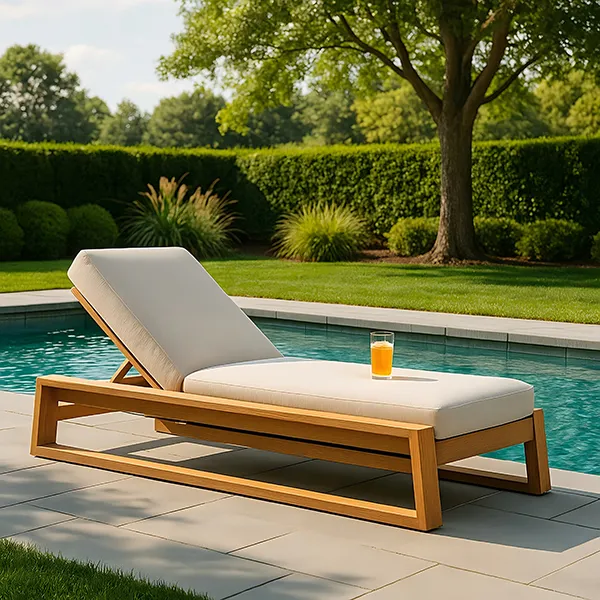
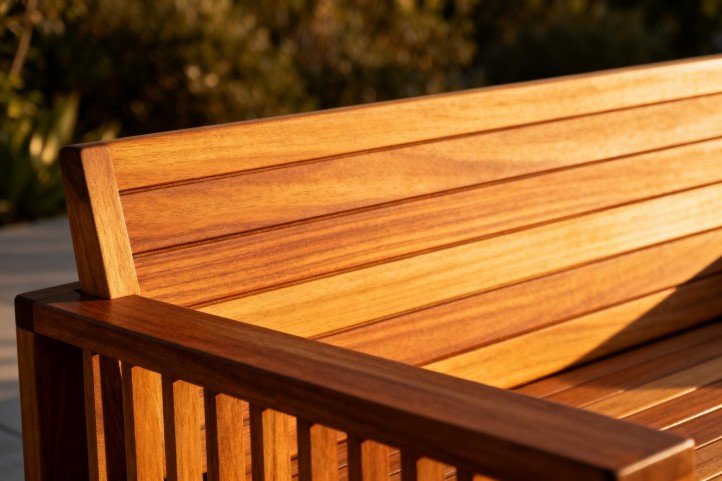
Teak is the gold standard for outdoor hardwoods. Its high density and natural oils make it water-resistant, rot-resistant, and insect-resistant. With proper care, it can last 15–25+ years, developing a refined silver-gray patina.
Hardwoods like teak are classified as very durable in standardized durability systems (see EN 350), which explains their long outdoor service life.
For premium teak Outdoor furniture, explore our teak outdoor furniture collections.
Cedar and redwood are lighter, pleasantly aromatic, and naturally rot-resistant; compared with teak, they offer slightly lower structural strength and longevity, which suits covered areas or moderate use.
Lifecycle data for redwood decking from an independently verified EPD provides a cradle-to-grave performance context.
Maintenance Considerations
All outdoor woods benefit from periodic protection against UV and moisture:
-
Apply a teak oil or marine-grade sealer every 6–12 months to minimize cracking, cupping, and fading.
-
Clean with a neutral detergent and soft brush; avoid blasting end grain with pressure washers.
-
If you love the weathered gray look, oil less often—but clean more frequently to keep fibers smooth.
These upkeep cycles mirror durability classifications in EN 350, where performance over time, moisture uptake, and treatability influence outcomes in service. apawood-europe.org
2. Metal
Aluminum
Aluminum is lightweight, rust-free, and easy to clean. Powder coating adds color and extra protection. Pros: easy to move, modern styling. Cons: less wind stability—use wide foot pads or add weights, and prevent deep scratches in the coating.
Aluminum’s appeal outdoors combines low weight with atmospheric corrosion resistance, a profile long recognized across building applications. aluminum.org

Steel and Wrought Iron
Carbon steel and wrought iron offer high strength and weight for rock-solid stability and classic silhouettes. To fight corrosion, look for galvanization or e-coat plus powder coat, and touch up chips promptly. In coastal or poolside settings, consider stainless steel (see below) or aluminum.
Where steel is specified for harsher exposures, hot-dip galvanizing adds barrier and cathodic protection layers that measurably extend service life. American Galvanizers Association
Tip: For stainless, 304 suits normal conditions; 316 (marine-grade) handles chlorides and sea air better—ideal for coastlines and pool decks.

3. Synthetic and Plastic-Based Materials
Plastic
Injection-molded plastics (often polypropylene, PP) are budget-friendly and maintenance-free. Look for:
-
UV-stabilized formulas and thicker walls to limit fading and brittleness.
-
Light colors to reduce heat build-up for summer comfort.
Plastic Lumber
Recycled HDPE “plastic lumber” mimics wood while remaining:
-
Non-absorbent, rot-proof, insect-proof, and paint-free.
-
Heavier and costlier than basic plastics, with many brands offering 10–20-year warranties—great for coastal and damp regions.
Wood–Plastic Composite (WPC)
WPC blends wood fibers with thermoplastics for wood grain looks and better weathering:
-
Dimensionally stable, low-maintenance, often recyclable.
-
Ensure sealed end-cuts and drainage to avoid moisture uptake or mold in water-traps.
-
Surface temperatures sit between real wood and solid plastics—comfortable in summer.
Outdoor Fabrics & Slings (value add)
Not a frame material, but fabrics determine comfort and durability:
-
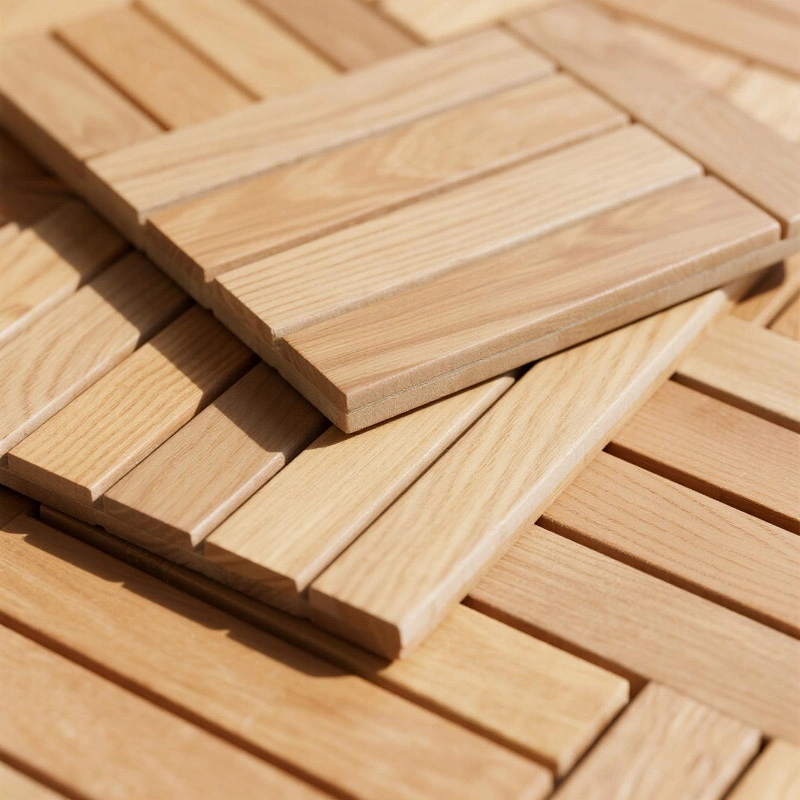
Solution-dyed acrylic: UV-fast, soft hand, quick-dry—perfect for cushions.
-
Olefin: lightweight, quick-dry, great value.
-
Polyester: economical; performance depends on UV and anti-mildew finishes.
-
Textilene/PVC mesh slings: high tensile strength, fast-drying—ideal for cushion-free seating. Prefer low-migration plasticizers and stain-resistant coatings.
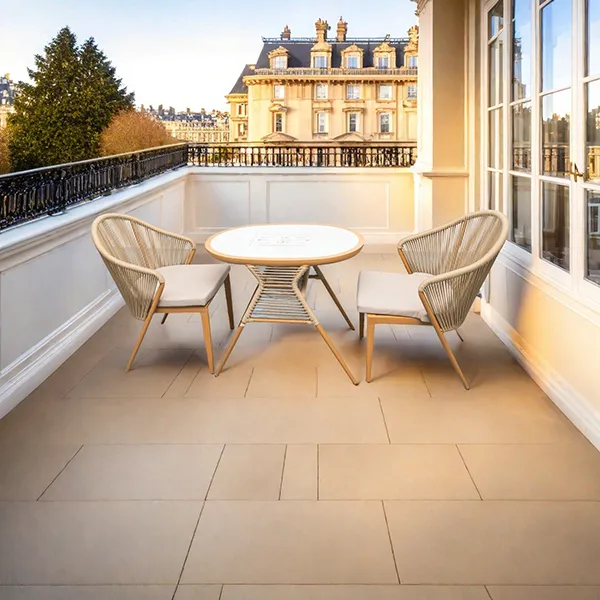
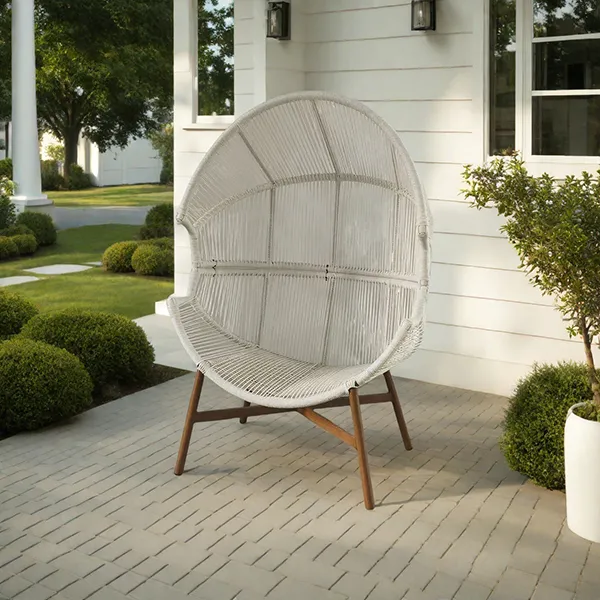
If you prefer airy seating with tensile support, check out our rope outdoor furniture options.
4. Wicker and Rattan
Natural rattan is light and flexible with artisanal texture, but doesn’t love prolonged wet or intense sun. Best for covered, semi-outdoor spaces and rainy seasons with covers or indoor storage.
Resin Wicker (Synthetic Rattan)
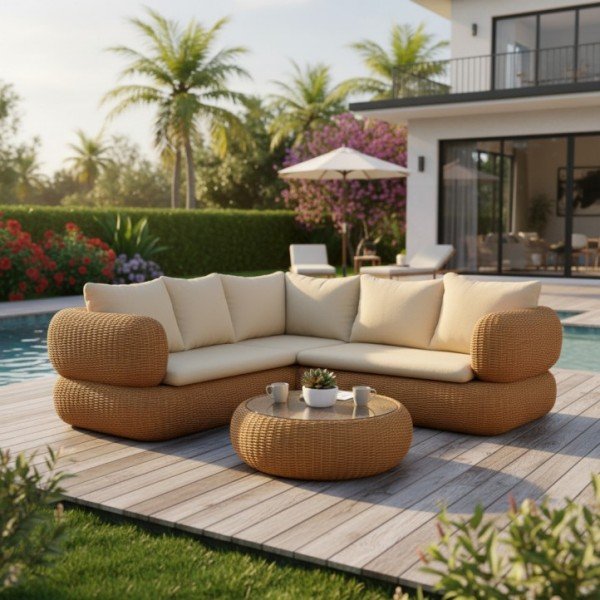
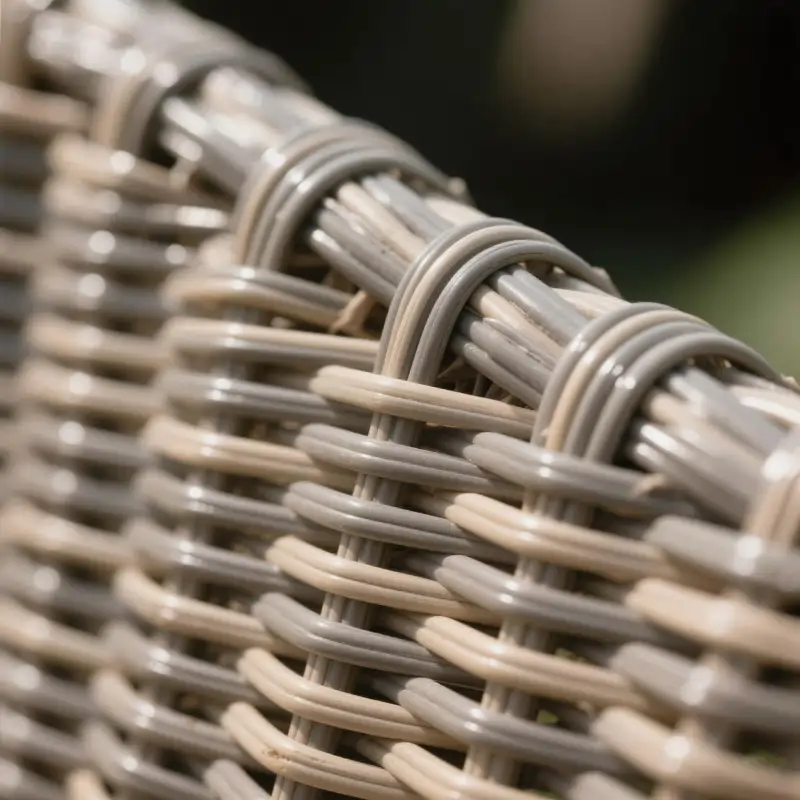
Resin/PE wicker delivers the woven look with all-weather durability:
-
Usually woven over aluminum frames for rust-free lightness.
-
Check strand cross-section and wall thickness, UV stabilizers, and weave density; cheaper blends may turn brittle after 2–3 summers.
-
Dark colors absorb more heat; light neutrals stay cooler and fade less.
For market context and buyer behavior, read《Why Rattan Outdoor Furniture Sells 》
Material Performance Comparison Table
| Material | Advantages | Disadvantages | Typical Lifespan* | Maintenance Level | Weight/Handling | Cost Tier |
|---|---|---|---|---|---|---|
| Teak | Very durable; rot/insect resistant; elegant patina | Higher price; heavy | 15–25+ yrs | Low–Medium (annual oil/seal) | Heavy | $$$$ |
| Cedar/Redwood | Light; naturally rot-resistant; aromatic | Lower strength/life than teak | 7–12 yrs | Medium (more frequent sealing) | Light–Med | $$ |
| Aluminum | Rust-free; easy care; modern look | Coating can scratch; less wind-stable | 8–15 yrs | Low | Very light | $$–$$$ |
| Steel/Wrought Iron | Very strong and stable; classic | Needs multi-layer anti-rust; touch-ups | 10–15 yrs | Med–High | Heavy | $$–$$$ |
| Stainless (316) | Top salt-spray resistance; sleek | Expensive; can feel hot | 12–20 yrs | Low | Med–Heavy | $$$$ |
| Plastic (PP) | Low cost; zero maintenance; waterproof | Potential fading/brittleness | 3–7 yrs | Very low | Very light | $ |
| Plastic Lumber (HDPE) | Recyclable; zero maintenance | “Plasticky” feel; heavier | 10–20 yrs | Very low | Med–Heavy | $$–$$$ |
| WPC | Wood look; stable; low-maint | End-grain moisture risk | 8–15 yrs | Low | Med–Heavy | $$ |
| Natural Rattan | Handcrafted look; light | Poor weather tolerance | 3–5 yrs | Medium | Very light | $$ |
| Resin Wicker (PE) | All-weather; easy clean | Cheap blends can embrittle | 5–10 yrs | Low | Light | $$ |
* Lifespan depends heavily on UV hours, salt exposure, maintenance, and use of covers.
Choosing the Right Material
-
Climate & location first
-
Coastal/high-salt: favor 316 stainless, aluminum, HDPE plastic lumber, teak; avoid basic carbon steel and low-end resins.
-
High sun/high altitude: pick solution-dyed acrylic fabrics and frames in aluminum/teak/HDPE.
-
Windy sites: go wrought iron/steel/heavier HDPE, or add weights and wide feet to aluminum.
-
-
Use & feel
-
Cushion-free comfort? Textilene sling seats are cool and supportive.
-
Natural warmth? Teak/cedar with acrylic cushions feels luxurious.
-
-
Budget & TCO
-
Teak/316 stainless costs more up front but depreciates slowly.
-
Entry-level plastics are cheap but wear out sooner.
-
-
Sustainability
-
Prefer FSC/PEFC wood, recycled HDPE, low-VOC finishes, and repairable designs (replaceable slings, feet, hardware).
-
Maintenance Tips by Material
-
Teak/Wood
-
Oil or seal every 6–12 months; wipe spills quickly.
-
Clean with a soft brush + mild soap; oxygen bleach can lift mildew (diluted).
-
-
Metals (Aluminum/Steel/Wrought Iron/Stainless)
-
Quarterly check welds and coatings; sand and touch up chips.
-
Rinse stainless steel in coastal areas to remove salt and prevent tea staining.
-
-
Plastic / HDPE / WPC
-
Warm water + mild detergent; avoid chlorinated solvents and harsh scouring pads.
-
Keep drainage holes clear; cap exposed ends.
-
-
Wicker/Rattan
-
Natural rattan: keep dry, ventilated, store during rainy seasons; vacuum dust from weaves.
-
Resin wicker: avoid sharp abrasions and prolonged high heat; use breathable covers for storage.
-
Sustainability Considerations
-
Certifications & recycled content: choose FSC/PEFC wood and high-recycled HDPE; solution-dyed fabrics reduce dye-house water and energy.
-
Longevity = lower footprint: longer life cuts material and shipping impacts; choose repairable, modular designs.
-
Local sourcing: nearby suppliers reduce transport emissions and make parts and service easier.
Recommended Video Resource
For a visual guide to outdoor furniture materials and maintenance tips, this video offers practical, expert-backed advice:
Final Thoughts
From teak and wrought iron to HDPE and WPC, understanding what outdoor furniture is made of helps you match your climate, maintenance needs, and budget to materials that stay beautiful season after season.
-
Coastal? Pick aluminum/316 stainless/HDPE/teak.
-
Dry, high-UV? Aluminum + solution-dyed acrylic excels.
-
Windy/public spaces? Wrought iron/steel resists abuse.
With regular cleaning and material-specific upkeep, your patio, garden, or rooftop will look great season after season.