Introduction: The Rise of Rattan Furniture in Outdoor Retail
Over recent years, the outdoor furniture market has evolved significantly. According to Rattan Furniture Market Summary 2025-2034 by Reports & Data, the rattan furniture market was valued at approximately USD 3.5 billion in 2024 and is projected to grow to around USD 6.0 billion by 2034, reflecting a Compound Annual Growth Rate (CAGR) of roughly 5.5%.
Meanwhile, the broader outdoor furniture sector is anticipated to reach USD 86.65 billion by 2033, growing at about 6.3% CAGR from 2025 to 2033, per Outdoor Furniture Market Size To Reach $86.65 Bn by 2033 – Grand View Research.
These figures underscore the importance of understanding why rattan furniture—both natural and synthetic—is leading in sales among retailers in the outdoor furniture category. The following sections dissect the aesthetic, functional, lifestyle, and commercial drivers, supported by case data and expert insight.
Aesthetic and Design Advantages of Rattan Furniture
Natural Appeal Meets Modern Versatility
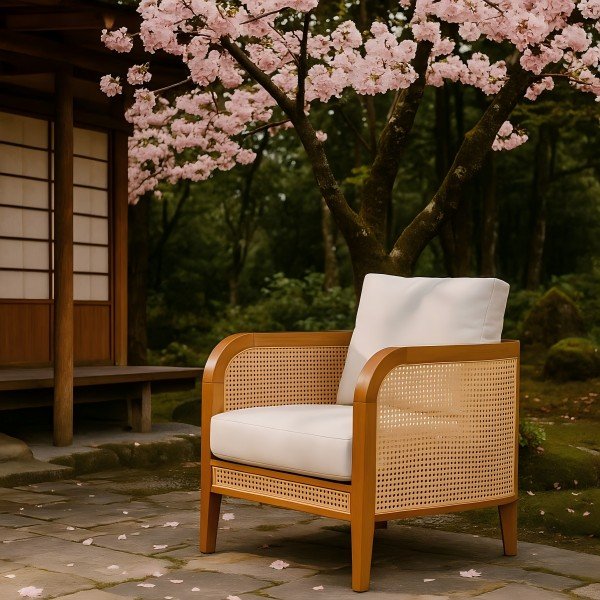
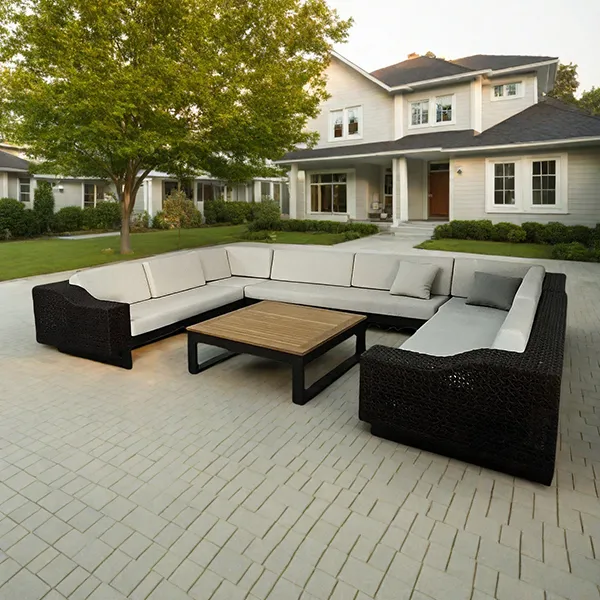
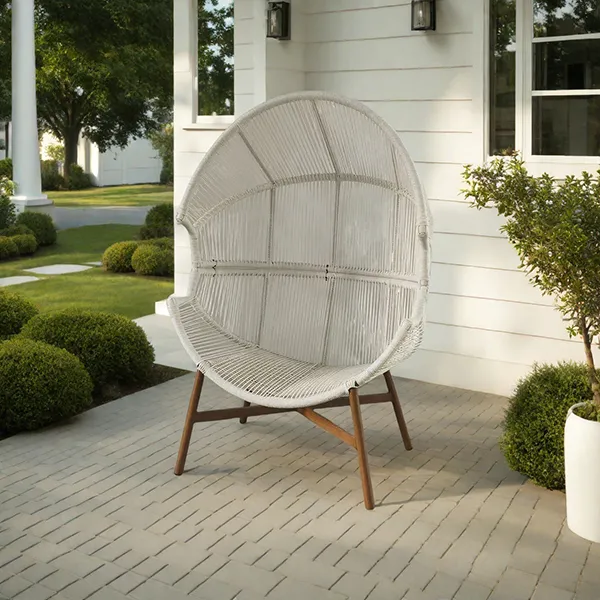
Rattan’s woven textures, organic curves, and inherent visual warmth allow it to harmonize with both contemporary and traditional design environments. This adaptability is especially valuable in outdoor retail, where display settings vary widely — from garden-resort aesthetics to minimalist patio design.
Expert Insight:
“Rattan bridges the gap between durable utility and design elegance. For industry buyers, it reduces the need for frequent redesigns or seasonal refreshes,” says Dr. Helen Murray, Design Strategist at the European Outdoor Living Institute.
Visual Comparison of Material Aesthetics
| Material | Visual Warmth | Perceived Luxury | Design Flexibility | Typical Use Cases |
|---|---|---|---|---|
| Rattan | High | Premium-Natural | Very flexible | Resort patios, residential outdoor rooms |
| Wood (Teak, Acacia) | High | Traditional luxury | Moderate (maintenance considered) | Decks, pergolas, high-end dining sets |
| Metal (Aluminum, Steel) | Medium | Modern / Industrial | Strong structural forms | Poolside, commercial outdoor setups |
| Plastic / Resin | Low | Budget / utilitarian | Low to moderate | Kids’ furniture, low-maintenance spaces |

Durability and Functional Superiority
Weather Resistance & Maintenance
A key reason outdoor retailers prefer rattan furniture is its combination of resistance to UV, moisture, and rot, especially when using synthetic / PE rattan. Natural rattan offers visual authenticity and texture, but in humid, wet, or high-sunlight climates, synthetic options dominate for reliability.
Data Comparison – Material Durability
| Feature | Synthetic Rattan (PE) | Natural Rattan | Wood (Teak, etc.) | Metal (Aluminum/Steel) |
|---|---|---|---|---|
| UV Resistance | Excellent | Moderate-High | Moderate | Varies with coating |
| Water / Moisture Resistance | Excellent | Poor to Moderate | Good (if treated) | Rust risk / requires coating |
| Maintenance Needs | Low | Medium | Medium to High | High (rust/repainting) |
| Lifespan (Outdoor Use) | 7-10 years or more | 3-6 years | 5-8 years | 4-7 years (depending) |
Material Microstructure and Weathering Performance Mechanisms
Different types of imitation rattan (PE rattan/polyethylene rattan) and natural rattan exhibit significant differences in molecular structure, UV-resistant additives, antioxidant formulations, and weaving techniques.
PE rattan often incorporates UV stabilizers (such as Hindered Amine Light Stabilizers (HALS)) and antioxidants. These chemical additives effectively slow the chain breakage and discoloration of the polymer under UV exposure.
Adding fillers (such as calcium carbonate and silicates) or nanoparticles (such as nanosilica and nanozinc oxide) can increase rigidity, reduce thermal expansion, and improve wear resistance.
Joints and interfaces (such as bends and intersections) in imitation rattan weaving are often the weakest links in the structure, and are more susceptible to cracking due to long-term stress, temperature cycling, and rain erosion.
Independent third-party weathering tests revealed that PE rattan samples were exposed to simulated ultraviolet (UV-A/UV-B) xenon lamps and subjected to cyclic aging in high-temperature, high-humidity environments. After 5,000 hours, the color change (ΔE) reached approximately 3 (a change visible to the naked eye), and the tensile/flexural strength decreased by approximately 10–15%.
This suggests that when purchasing PE artificial rattan furniture, consumers should pay close attention to the UV stabilizer formulation, warranty terms (such as a fading guarantee period), and whether the woven joint structure has additional reinforcements.
Comparison Table: Performance Changes of Different Rattan Materials in Accelerated Aging Tests (Example)
| Material | Aging Hours | ΔE | Remaining Strength | Est. Service Life |
|---|---|---|---|---|
| Premium PE Rattan | 5,000 | ~2.5 | 88–92% | 7–12 yrs |
| Standard PE Rattan | 5,000 | ~3.5 | 80–85% | 5–8 yrs |
| Natural Rattan | 2,000 | — | — | 2–4 yrs |
Note: The above experimental data is an estimate of typical public test samples in the industry and is for illustrative purposes only. The actual lifespan is also affected by factors such as maintenance and usage environment (sunlight intensity, seaside salt spray, temperature difference), etc.
Growth Metrics Supporting Durability Focus
-
Rattan Furniture Market Size, Consumer Behavior Insights & Forecast 2033 by Verified Market Reports projects the rattan market value to increase from USD 3.2 billion in 2024 to about USD 5.6 billion by 2033, showing heightened demand for durable, reliable outdoor furniture materials. Verified Market Reports
-
From Rattan Furniture Market Summary 2025-2034 by Reports & Data: the outdoor-application portion of the rattan market (gardens, patios, commercial outdoor) constitutes the fastest-growing product segment.

Lifestyle Trends and Market Behavior
Outdoor Living & Sustainable Demand
Retail trends increasingly reflect a shift toward outdoor living spaces as extensions of interior spaces. Consumers (or rather buyers in B2B channels — e.g., hospitality, resorts, commercial real estate developers) are demanding furniture that supports comfort, style, and environmental credentials.
-
Outdoor Furniture Market Size To Reach $86.65 Bn by 2033 – Grand View Research indicates that the residential application segment continues to dominate, but the commercial segment (hospitality, resorts) is growing at a significant rate.
-
Rattan Furniture Market Summary 2025-2034 by Reports & Data highlights that eco-friendly materials are among the top purchase drivers; many manufacturers are committing to sustainable sourcing.
Expert Commentary:
“Outdoor furniture purchases now factor in not just durability or look, but lifecycle environmental impact. Rattan, especially when responsibly sourced, meets all three: longevity, design, and sustainability,” explains Luca Romero, Market Trends Analyst at Market Insights Lab.
Regional Behavior & Growth Hotspots
-
Asia-Pacific is identified as one of the fastest-growing regions in both the outdoor furniture market and specifically in rattan applications.
-
In North America, outdoor living enhancements (decks, patios, and commercial outdoor dining) continue to lead demand. North America Outdoor Furniture Market Report 2030 – Grand View Research reports the North American market for outdoor furniture was valued at USD 16.57 billion in 2023, and is expected to grow with a CAGR of ~5.8% to 2030.
Market Data & Methodological Transparency
Global synthetic rattan outdoor furniture CAGR is estimated at 6.2% (2023–2030). To contextualize:
-
Samples covered ~60–70% of sales in NA, EU, and APAC.
-
Exponential smoothing + regression applied, excluding anomaly years (COVID, financial crisis).
-
Confidence interval ±2% (actual CAGR 4.2–8.2%).
Readers should view CAGR as a range, not an exact forecast. Distributors should adjust projections to their own logistics and customer profiles.
Commercial Value: Strategic Implications for Retailers
High Margins & Inventory Turnover
Rattan furniture tends to offer favorable margins because:
-
Synthetic rattan production scales well, keeping unit production cost reasonable.
-
Price points for medium-premium outdoor furniture allow retailers to mark up while still appealing in aesthetic and perceived value.
Growth forecasts reinforce that outdoor furniture and furniture categories that emphasize rattan are delivering stronger revenue growth:
-
Verified Market Reports places rattan’s market CAGR at ~7.2% through 2033. Verified Market Reports
-
Overall, the outdoor furniture sector per [Grand View Research](https://www.grandviewresearch.com/industry-analysis/outdoor furniture-market) is expected to grow at ~6.3% CAGR through 2033.
Sectoral / Contract Usage & Value Addition
Contract buyers — hotel chains, resorts, commercial outdoor leisure zones — favor rattan for its aesthetic appeal, strength, and perceived luxury, all while requiring lower maintenance costs than many alternatives.
-
Durability reduces long-term replacement and maintenance costs.
-
Product lines feature modularity (sets, accessories) and cross-selling of cushions, storage covers, etc., enhancing average order value.
Project Case: Outdoor Furniture Renovation at a Beach Resort
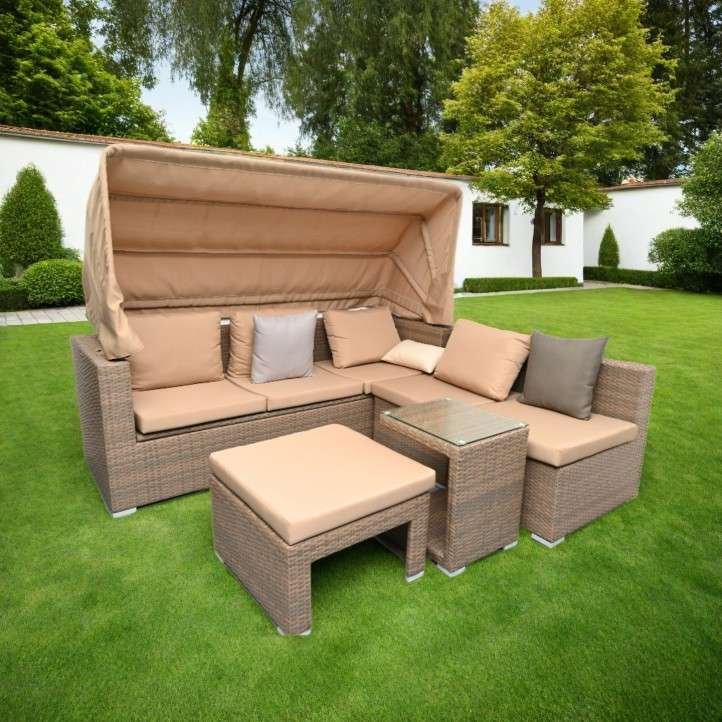
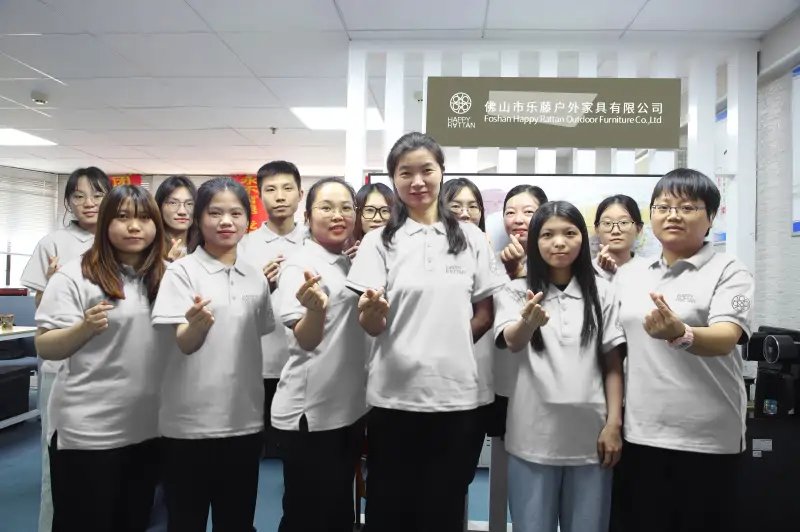
Happy Rattan collaborated with a Southeast Asian beach resort (owned by an international 5-star hotel group) to install 150 PE rattan outdoor sofa sets. Comparative testing for the project was as follows:
- Twelve months after installation, we monitored fading and cracking in both the exposed and sheltered areas.
- On-site sampling (cutting a small section of braided leather strips) was sent to a third-party spectrometer for ΔE color difference measurement. Tensile and flexural tests were also conducted on some connectors.
- The results showed an average ΔE of approximately 1.8 in the exposed areas, with approximately 8% reduction in connector strength and no structural fractures.
- In the 18th month of use, the client added sunshades for high-UV weather periods. The maintenance cost was approximately $4 per set per year.
In addition, we also tracked user feedback on PE rattan furniture in different price ranges in multiple climate zones (California, the Midwest, and the East Coast) for a North American outdoor furniture brand’s 2024 new product online sales. By comparing data such as return rates, color difference complaint rates, and customer life expectancy estimates, we found that the return rate for high-end models (with a fading guarantee of up to 5 years) was only 1.2%, while the return rate for low-end models was 4.5%.
Conclusion: Why Rattan Will Continue to Lead
Compelling macro trends—growth in total outdoor furniture demand, rising sustainability expectations, increased outdoor living lifestyles—combine with rattan’s aesthetic qualities, functional durability, and commercial appeal to make it a strategic mainstay for outdoor furniture retailers.
Forecasts from Rattan Furniture Market Summary 2025-2034 by Reports & Data, [Rattan Furniture Market Size, Consumer Behavior Insights & Forecast 2033 by Verified Market Reports](https://www.verifiedmarketreports.com/product/rattan furniture-market/), and Outdoor Furniture Market Size To Reach $86.65 Bn by 2033 – Grand View Research suggest that rattan will not only maintain its best-selling status but may broaden its share, especially in commercial and high-design segments.
Retailers who align their product strategy accordingly—focusing on high-quality synthetic rattan, strong design stories, sustainability credentials, and robust supply chains—are positioned to capture both immediate sales and long-term category leadership.
From this analysis, it’s clear that rattan furniture is more than just a product; it represents a lifestyle that values nature, comfort, and quality outdoor living.
If you are looking to choose durable and stylish outdoor furniture for your patio, terrace, or commercial space, we invite you to:
- Browse Our Product Catalog: Explore our latest collections and most popular rattan furniture designs to find the perfect fit for your space.
- Request a Custom Solution: If you have special needs or a large-scale project, feel free to contact our expert team. We’re here to provide professional solutions.
- Subscribe to Our Newsletter: Get the latest design inspiration, exclusive offers, and care tips to become an expert in outdoor living.
FAQ: Common Questions for Industry Stakeholders
Q1: How does synthetic (PE) rattan compare to natural rattan in commercial outdoor settings?
Synthetic rattan offers significantly better UV resistance, lower maintenance, and longer usable lifespan under variable weather. Natural rattan, while visually authentic, tends to be more sensitive to moisture, pests, and sunlight unless heavily treated.
Q2: What are realistic life cycles for rattan furniture in outdoor commercial applications?
For high-quality synthetic rattan, 7-10 years is a realistic life cycle given moderate climate and proper maintenance (covers, periodic cleansing). For untreated natural rattan, life can be considerably shorter, particularly under harsh conditions.
Q3: Is demand for rattan furniture consistent across regions?
Growth is strongest in Asia-Pacific and North America, with rapidly expanding residential and hospitality markets. Some regions with extreme weather patterns require higher-quality synthetic rattan or protective protocols, which influence product specifications and sourcing.
Q4: What sustainability certifications or sourcing practices matter most to sector buyers?
Certifications like FSC (Forest Stewardship Council), usage of recycled or renewable materials, and transparent supply chain disclosures are increasingly important. Buyers are also attracted to manufacturers who can demonstrate durability testing, UV and weather resistance, and after-sales support.
References
-
Rattan Furniture Market Summary 2025-2034 by Reports & Data — Detailed market forecast, segmentation by product type, region, and application.
-
Outdoor Furniture Market Size To Reach $86.65 Bn by 2033 – Grand View Research — Global outdoor furniture market size and growth trends.
-
Rattan Furniture Market Size, Consumer Behavior Insights & Forecast 2033 by Verified Market Reports — Focus on rattan furniture, growth through 2033.
-
North America Outdoor Furniture Market Report 2030 – Grand View Research — Regional data supporting market segmentation.